Agenda
All times listed are in CST
Login information will be provided to registrants closer to the conference.
Agenda
 March 16, 2026 09:00 am
Virtual Only Workshop Sessions - Available March 16 at 9am CST
March 16, 2026 09:00 am
Virtual Only - Voices of Resilience: Navigating Parental Substance Use and Child Welfare
More than 19 million U.S. children live with a parent who misuses substances, and many enter out-of-home care due to parental substance use. These youth face increased risks of trauma, educational challenges, justice involvement, and long-term instability. NCSACW will share findings from its 2024 convening on supporting youths affected by parental substance use or mental health challenges, highlighting practice improvements, workforce needs, and tools that promote recovery, resilience, and well-being for adolescents and families.
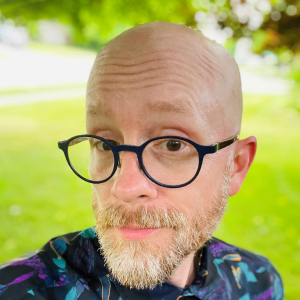
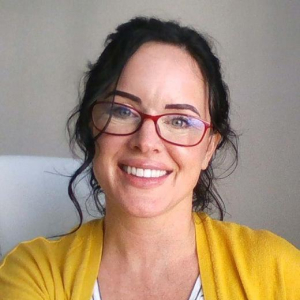
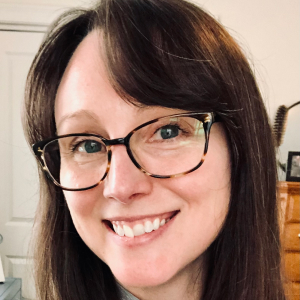
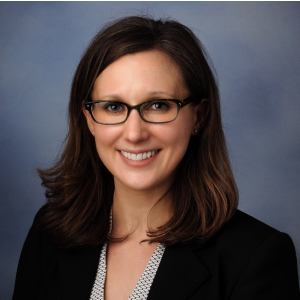
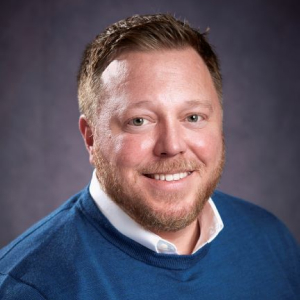
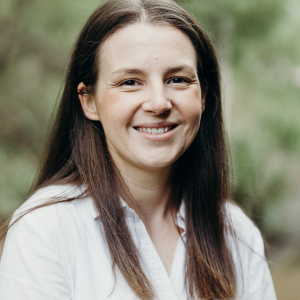
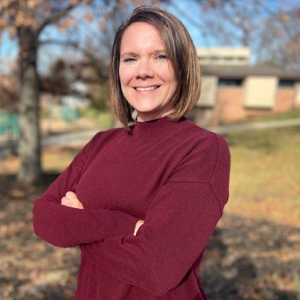
 Emily Svoboda, MS
National Center on Substance Abuse and Child Welfare
Emily Svoboda, MS
National Center on Substance Abuse and Child Welfare
Emily Svoboda is a Senior Operations Associate at the Center for Children and Family Futures, bringing over a decade of experience supporting adolescents and families affected by substance use and mental health challenges. As a former Clinical Director and therapist, she specializes in trauma-informed care, youth development, co-occurring disorders, and family-centered interventions. Her expertise informs her current role, where she leads staff development and onboarding, designs training curricula, and supports organizational learning. Emily also contributes to policy and procedure development aimed at enhancing cross-project collaboration and staff engagement. She holds an MS in Counseling and a BA in Psychology from California State University, Fullerton.
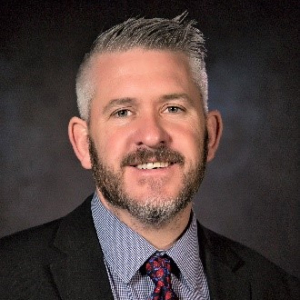
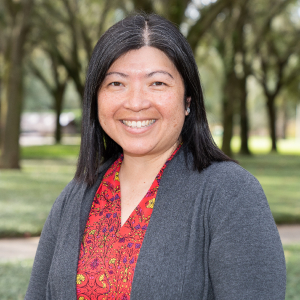
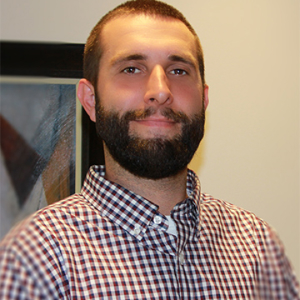
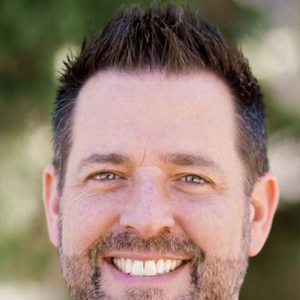
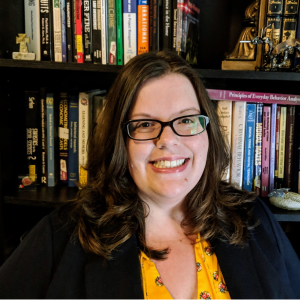
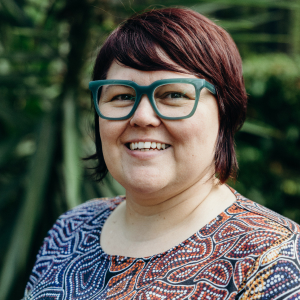
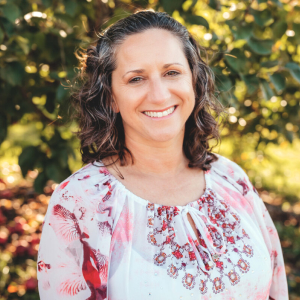
 Mary Fitzgerald, MSW, LMSW
National Center on Substance Abuse and Child Welfare
Mary Fitzgerald, MSW, LMSW
National Center on Substance Abuse and Child Welfare
Mary Fitzgerald is a Program Associate at the Center for Children and Family Futures, with six years of experience in clinical crisis counseling and substance use prevention for youth and families. She provides technical assistance and develops resources to support best practices nationwide. As Connecticut’s Family Care Plan Coordinator for the SEPI initiative, she trained hospitals and agencies to better serve pregnant individuals affected by substance use. Her work led to a reduction in child welfare reports involving substance-exposed infants. Mary previously managed crisis services for unhoused youth and families facing mental health challenges. She is a licensed master social worker with an MSW from Southern Connecticut State University and a BA in Government from Suffolk University. |
March 16, 2026 09:00 am
Virtual Only - Rethinking Professional Development: A Design Thinking Approach for Direct Support Professionals
Direct Support Professionals are essential to inclusive education and autistic care yet remain underserved by traditional, one-off professional development. This session introduces an equity-centered, year-long PD model for all frontline staff, grounded in Guskey’s Model of Teacher Change and Design Thinking. Through iterative, user-informed refinements, the approach emphasizes practical application, collaboration, and continuous feedback. Participants will examine effective PD principles and gain tools to redesign training that improves practice, strengthens culture, and enhances outcomes.
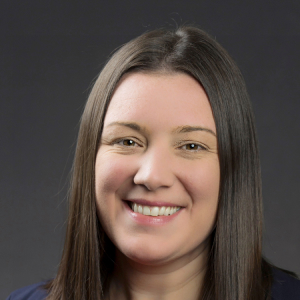
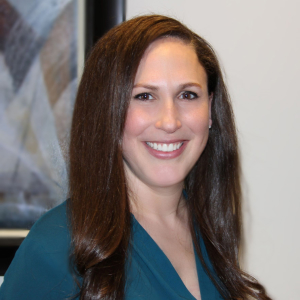
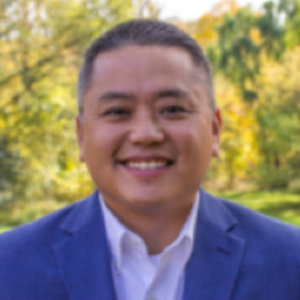
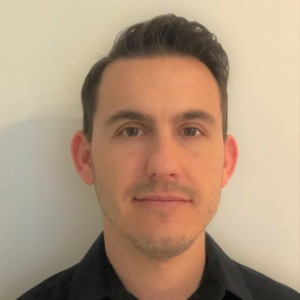
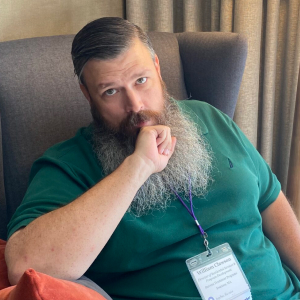
 Michaela Fanelli, M.Ed., BCBA, CTRS-E, LABA
League School for Autism
Michaela Fanelli, M.Ed., BCBA, CTRS-E, LABA
League School for Autism
Michaela Fanelli, EdD candidate in Higher Education Leadership, is a Board Certified Behavior Analyst (BCBA) and Organizational Behavior Management (OBM) Specialist. She currently serves as Manager of Professional Development and Learning at the League School for Autism, where she leads efforts to create inclusive professional development experiences for all roles. Michaela’s expertise spans autism, behavior, and special education administration, with a focus on applying evidence-based practices to design meaningful and transformative professional learning.
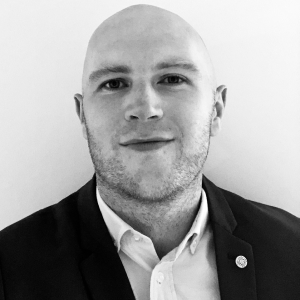
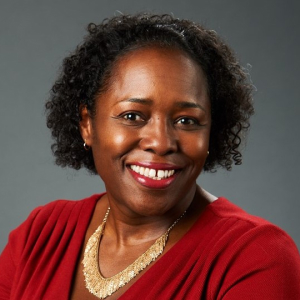
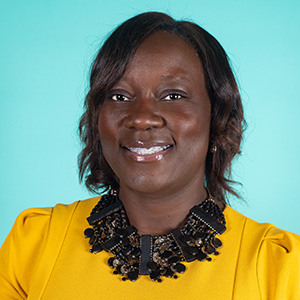
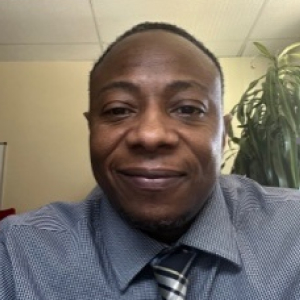
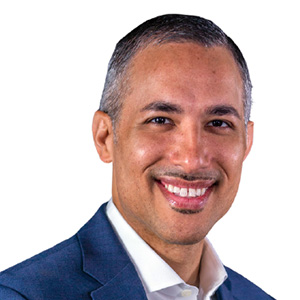
 Cheryl White, MSM, EdD
League School for Autism
Cheryl White, MSM, EdD
League School for Autism
Cheryl A. White currently serves as the Chief Operating Officer at the League School for Autism, bringing over two decades of expertise in nonprofit management and special education. She has researched teacher retention and student voice in programming. Cheryl has led several organizational improvement initiatives and consultations. Cheryl is a licensed Special Education Administrator and holds a Doctoral degree in Transformational Educational Leadership from Bay Path University. |
March 16, 2026 09:00 am
Virtual Only - Difficult Personalities: How to Navigate Relationships with Clients, Co-Workers and Others Who May Have Borderline Personality Disorder, Narcissism, and other Challenging Personalities
This training provides practical tools to understand and navigate relationships with people who exhibit traits of personality disorders. Participants will learn strategies to communicate effectively, set boundaries, reduce conflict, and maintain resilience when dealing with difficult personalities.
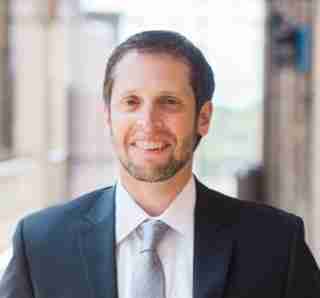 Josh Dye
Convene Training + Resilience Community
Josh Dye
Convene Training + Resilience Community
March 17, 2026 09:00 am
Opening Keynote Presentations:
KEYNOTE SESSION 1 - Weaving Wisdom: Integrating Practice, Lived Experience and Academic Research into Care and Community Work

In this keynote, Dr Lisa Cherry explores her Triad of Knowledge, professional practice, lived experience and academic knowledge, as a dynamic framework of understanding. Lisa considers how they can be integrated into how we work to create relationally rich, trauma-informed environments that honour complexity and cultivate belonging.
This session invites practitioners, leaders, and carers to reimagine their roles not just as service providers, but as co-holders of healing spaces. We’ll examine how lived experience can challenge assumptions, how academic knowledge can deepen understanding, and how frontline practice can illuminate what truly matters in moments of connection.
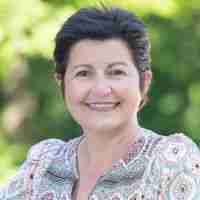 Lisa Cherry
Author, Researcher, Leading International Trainer and Consultant
Lisa Cherry
Author, Researcher, Leading International Trainer and Consultant
Dr Lisa Cherry is an author, researcher, leading international trainer and consultant, specialising in assisting settings, services and systems to create systemic change to the way that we work with those experiencing and living with, the legacy of trauma. Lisa has been working in and around Education and Children’s Services for over 35 years and combines academic knowledge and research with professional expertise and personal experience. Lisa has worked extensively with Social workers, Educators, Probation Workers and those in Adult Services, training and speaking to over 35,000 people around the world including in the US, Australia and Pakistan and across the whole of the UK.
Up until August 2025 Lisa was the Founder and Director of Trauma Informed Consultancy Services Ltd leading a dynamic and creative organisation that provides a 'one stop' approach to delivering on research, consultancy and learning and development. Lisa is still very much an integral part of TICS Ltd.
Lisa has produced multiple pieces of research for various settings and Lisa's own MA research looked at the impact on education and employment for care experienced adults who experienced school exclusion as children in the 1970's and 1980's. In February 2024 Lisa completed her DPhil research at The University of Oxford in the Department of Education. The research asked "How do care experienced adults who were also excluded from school make sense of belonging?"
Lisa is the author of the hugely successful and award winning book 'Conversations that make a difference for Children and Young People' (2021), 'The Brightness of Stars’ 3rd Edition (2022), and her most recent book, Weaving a Web of Belonging (2025). Lisa's next book 'Caring for the people who Care' is due to be published in December 2025.
KEYNOTE SESSION 2 - Cultivating Shared Knowledge, Perspectives, and Power: Co-designing for Meaningful Impact

A Theory of Change framework developed by the Building Bridges Initiative of ACRC has generated a methodology that integrates System of Care principles, co-design practices, participatory evaluation, family engagement, and peer learning in a collaborative cross-sector public private partnership. A learning eco system has emerged from a demonstration project with five residential programs in Oregon that has yielded culture change and quality improvement in participating programs and built trusting relationships between family members, youth and provider staff, as well as with project leaders.
This keynote will describe the framework and the Principles to Outcomes Driven Practices demonstration, from the perspectives of the varied participants. Family and youth peers, provider staff, ACRC project consultants, researchers, and state and provider association leaders will share their experiences with co-design processes and this innovative approach to collaborative integration of data and voice that has generated positive outcomes and transformational impacts.
 Bob Lieberman, MA, LPC
Lieberman Group Inc.
Bob Lieberman, MA, LPC
Lieberman Group Inc.
Robert E. (Bob) Lieberman has over four decades working with young people and families facing serious challenges, in a variety of capacities, including 28 years as CEO of Kairos Northwest. He has written extensively and is lead or co- author, and editor, of ACRC’s “Redefining Residential” papers, as well as co-editor of two books on transforming residential interventions. He chairs the Outcomes Workgroup of the Building Bridges Initiative, is certified by Massachusetts General Hospital as a trainer in Collaborative Problem Solving and is a certified Master Trainer in the NEAR sciences. He is currently President of Lieberman Group, Inc. and trains and consults across the country and internationally.
March 17, 2026 01:30 pm
Workshop Session A
1 Workshop from Session A will be recorded and live streamed.
March 17, 2026 03:30 pm
Workshop Session B
1 Workshop from Session B will be recorded and live streamed.
March 18, 2026 09:00 am
TED Talk-style Plenary - Quality is the Tie that Binds: Key Learning Threads from Six Proven Models of Care
This year, we are highlighting elements from different research-based models to tell the story of how Quality is the Tie that Binds: Key Learning Threads from Six Proven Models of Care.
March 18, 2026 11:30 am
Workshop Session C
1 Workshop from Session C will be recorded and live streamed.
March 18, 2026 03:30 pm
Workshop Session D
1 Workshop from Session D will be recorded and live streamed.
March 19, 2026 09:00 am
Designing Systems for Healing: Financing and Managing Beyond the Crisis Response
Moving from siloed, problem-specific funding that focuses on managing symptoms to coordinated funding that supports whole-person, life course, and two-generation approaches is not only possible—it’s essential. The Adverse Childhood Experience (ACE) Study helps us understand how early adversity can set in motion a cascade of challenges that extend into adulthood and across generations. ACE prevalence at the population level reliably predicts demand for high-cost public services. The good news is that what’s predictable is preventable. Now is the time to build learning communities that make visible the pathways of risk—and lift up the healing experiences that change those pathways into ones of lifelong and intergenerational wellbeing.
Join us to engage in an interactive dialogue about:
1. New finance and management approaches that can remove barriers to the collaborative, upstream work you already know is essential to lasting change.
2. Ways to design incentives and supports that strengthen community participation and self-healing capacity.
3. Opportunities to align multi-sector investments so that today’s young people—and the next generation of parents— are supported as transformative leaders who help turn cycles of adversity into cycles of healing and intergenerational wellbeing.
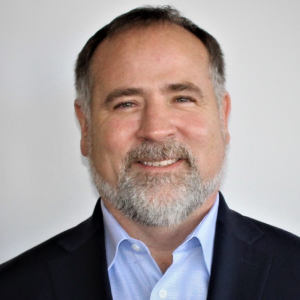
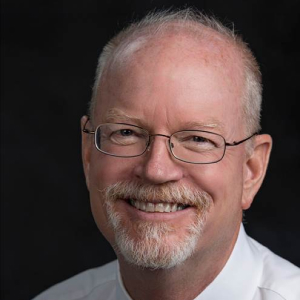
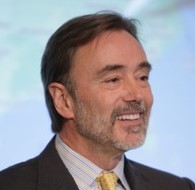 Rob Anda, MD, MS
ACE Interface; Co-principal Investigator and Co-founder, ACE Study
Rob Anda, MD, MS
ACE Interface; Co-principal Investigator and Co-founder, ACE Study
Dr. Robert (Rob) Anda graduated from Rush Medical College in 1979 and received his board certification in internal medicine in 1982. He holds a Masters degree in epidemiology from the University of Wisconsin. In 1984 he was accepted into the Epidemic Intelligence Service at the Centers for Disease Control and Prevention in Atlanta, where he conducted research in disease surveillance, behavioral health, mental health and disease, cardiovascular disease, psychosocial origins of health-risk behaviors, and childhood determinants of health. Rob is the author of more than 200 publications, and has received numerous awards and recognition for scientific achievements.
In the early 1990’s, Rob began a collaboration with Dr. Vincent Felitti at Kaiser Permanente in San Diego to investigate child abuse as an underlying cause of medical, social, and public health problems. This effort lead to a large-scale study funded by the CDC to track the effects of childhood trauma on health throughout the lifespan, called the Adverse Childhood Experiences Study (ACE Study). Rob played a principal role in the design of the study, and serves as its co-principal investigator and co-founder.
The ACE Study is the most important public health discovery of our time. Findings from the ACE Study have resulted in more than 70 publications in major medical and public health journals. The ideas from this work are now influencing the design of similar research around the world. ACE Study findings have been presented at Congressional Briefings and numerous conferences around the world. The ACE Study is being replicated in numerous countries by the World Health Organization (WHO), and is in use to assess the childhood origins of health and social problems in more than 25 U.S. states.
After a decade of service to the CDC as a senior scientific consultant, Rob turned his focus to speaking and consulting with leaders in public health, medicine, corrections, judicial and social service systems and with local, state, national, and international organizations about the ACE Study. He has appeared in national newspapers and television networks and is frequently invited to speak about the ACE Study and his experiences around the country working on applications of ACE Study concepts.
Rob is co-founder of ACE Interface, a company that provides education, analysis, facilitation, and products focused on helping people to develop Self-Healing Communities that prevent ACEs and improve well-being. He and his work are highlighted in the documentary “Resilience” by Jamie Redford that was accepted to the 2015 Sundance Film Festival and is now being shown across the nation.
Rob is passionate about scuba diving and enjoys fishing and golf. He makes his home in Peachtree City, GA.
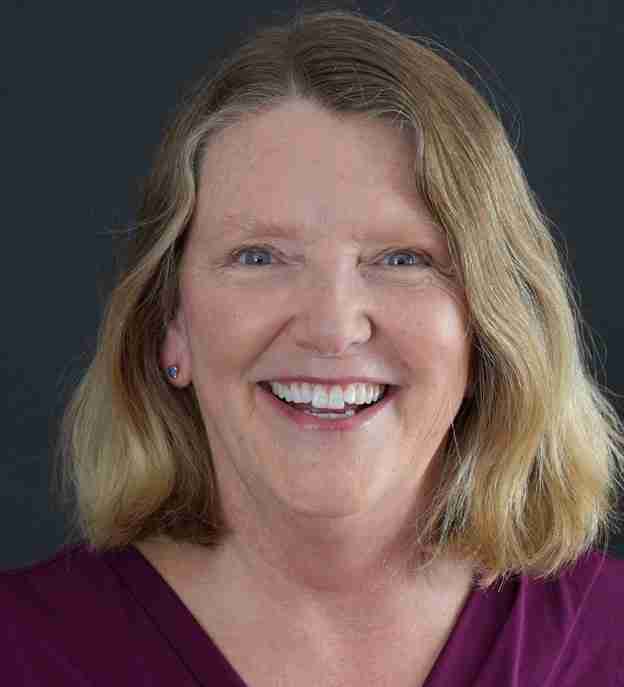 Laura Porter
ACE Interface
Laura Porter
ACE Interface
Laura Porter has over 20 years of experience teaching about Adverse Childhood Experiences and the power of local people to build a better life now, and for the future.
In past years, she served as an elected County Commissioner and as Staff Director for a Council of 10 state leaders, including representatives of four Legislative caucuses, the Superintendent of Public Instruction, the Governor and four cabinet members. The Council provided a structure for coordinating system improvements across five state agencies and forty-two communities. Laura’s work with state and community leaders generated improvements in the rates of problems including crime, addiction, abuse, depression, suicide, and dropping out of school.
Laura and Dr. Rob Anda are co-founders of ACE Interface, a company that provides education, analysis, facilitation, and products to help state and community leaders to build Self-Healing Communities. Their current work is focused on developing an alternative multi-sector finance and management model for reducing ACE-related risks. The model design will leverage collective resources, scientific insights, and community wisdom to achieve sustainable improvements in population health and wellbeing while reducing long-term fiscal burdens.Top of FormBottom of Form
March 16, 2026 10:00 am
DIRECT CARE PROFESSIONALS PRECONFERENCE - Knowing Better, Caring Better: Innovations in Transforming Youth Residential and Community Based Practice
In-Person ONLY Session
This preconference opportunity offers an immersive exploration of cutting-edge practices that redefine direct care in residential and community-based treatment. Presenters doing excellent work across the care continuum will share research-informed strategies on eliminating coercive practices, supporting neurodiverse youth, addressing loss and grief, promoting sexual health, healing trauma, and harnessing movement to restore confidence and calm. Together, these sessions create a blueprint for how front-line staff, clinicians, educators, therapists, and leaders can turn insight into action—ensuring that when we know better, we truly care better.
DIRECT CARE SESSION 1 - Transforming Care: A Systemic Blueprint for Implementing Positive Behavior Supports and Eliminating Coercive Practices
This presentation outlines MyPath’s large-scale implementation of Positive Behavior Supports (PBS) and elimination of coercive practices across a complex behavioral health network. Using structured phases of planning, implementation, and evaluation, the model integrates policy redesign, staff training, and environmental modifications. Robust fidelity measurement systems show reduced restrictive interventions. Sustainability is achieved through Behavioral Skills Training, ongoing assessment, and data-driven improvement. Participants gain practical tools, evaluation templates, and strategies for scaling PBS with equity-focused outcomes.
 Nicole Sorensen, MS, BCBA, IBA, LBA
MyPath Support Services
Nicole Sorensen, MS, BCBA, IBA, LBA
MyPath Support Services
Nicole Sorensen, is a dedicated Board Certified Behavior Analyst with expertise in behavior analysis and organizational leadership. Nicole has extensive experience across educational, residential, and international settings; she champions ethical ABA mentorship. Nicole currently serves as Director of Therapeutic Practices at My Path. Passionate about research and global applications of ABA, she elevates standards in the field through leadership, education, and advocacy. |
DIRECT CARE SESSION 2 - When We Know Better, We Heal Better; Shifting Models for Supporting Loss & Grief
The familiar Kubler-Ross model of grief outlines five linear stages—denial, anger, bargaining, depression, and acceptance—but does not fully capture the grief experiences of children in care. Pressley Ridge now introduces the Dual-Process Model of Grief (Stroebe & Schut), which balances Loss-orientation (coping with pain) and Restoration-orientation (rebuilding life). By comparing both models, staff and families gain a deeper understanding of children’s grief, enabling more effective, compassionate, and developmentally sensitive support.
 Jennifer Benner, LCSW-C
Pressley Ridge
Jennifer Benner, LCSW-C
Pressley Ridge
Jennifer Benner has worked in the field of child welfare for 25 years, with a special interest in therapeutic foster care. She now serves as the Manager of Pre-Service training, which incorporates nation-wide training and fidelity monitoring.
 Patti McCloud, BA
Pressley Ridge
Patti McCloud, BA
Pressley Ridge
Patti McCloud has committed her life to supporting families with autism and related disorders for the past 25 years, in various roles as a volunteer, fundraiser, and advocate. She has shared her story at various national and local autism conferences. She serves as the contract administrator for the PR-TFC External Training Department. |
DIRECT CARE SESSION 3 - Toward Sexual Health and Trauma Healing: Fostering Understanding of Problem Sexual Behaviors in Youth
One-third of inappropriate sexual contact with children is by other youth, yet few professionals receive training on sexual development or problem sexual behaviors (PSB). Youth of color are disproportionately placed in justice or residential systems, and most programs lack evidence-based PSB interventions. This interactive session dispels myths, differentiates typical from concerning behaviors, explores trauma and media influences, and shares prevention, treatment, and educational resources to help caregivers and providers promote healthy, safe sexual development in youth.
 Roy Van Tassell, MS, LPC-S
Centene Corporation
Roy Van Tassell, MS, LPC-S
Centene Corporation
Roy Van Tassell is Director of Trauma and Evidence-based Interventions for Centene. A Licensed Professional Counselor with 45 years of practice, he co-chairs the SAMHSA funded National Child Traumatic Stress Network’s subcommittee on Children with Problematic Sexual Behaviors. He is an approved national trainer for 3 Evidence-supported models including: Trauma-Focused Cognitive Behavioral Therapy (TF-CBT) and Components for Enhancing Career Experience and Reducing Trauma (CE-CERT) a model for secondary trauma.
DIRECT CARE SESSION 4 - Supporting Neurodiverse Youth in Residential Care: Building Executive Functioning and Everyday Success
Youth in residential care often have diverse neurological profiles, including ADHD, autism, learning differences, and trauma-related impacts. Supporting them requires attention to executive functioning—skills for planning, focus, and emotional regulation. Misunderstanding these challenges can lead to mislabeling behaviors as noncompliance. This session offers practical, evidence-informed strategies to help staff and leaders create environments that build executive functioning, honor neurodiversity, and translate brain science into daily practice to improve outcomes and relationships.
 Emma Harding, LMFT
Tanager
Emma Harding, LMFT
Tanager
Emma Harding is a licensed Marriage and serves as Director of the Meraki Institute of Learning. Her background includes providing therapeutic services in school-based settings ranging from early education through college. Emma is trained in advanced play therapy techniques and EMDR. She has experience and is passionate about working with families and children with intellectual and/or developmental disabilities, in addition to years of experience in providing and working with various after-school and summer programming for youth. Emma is passionate about spreading awareness and education regarding trauma-informed care and resiliency-based models.
DIRECT CARE SESSION 5 - Understanding Fear in Therapeutic Residential Care: New Insights on Responding to Emotional Dysregulation
Emotional attunement is crucial in therapeutic residential care (TRC), yet contemporary research reveals new insights into how emotions—especially fear—work biologically and socioculturally. This workshop explores fear’s adaptive, constructed, and culturally shaped nature, showing how children and staff learn emotional responses. Participants will examine these insights and identify practical strategies for preventing and responding to dysregulation, fostering safer, more humane TRC environments, and supporting children and caregivers in developing more adaptive responses to fear.
 Yvonne Smith, PhD
Syracuse University
Yvonne Smith, PhD
Syracuse University
Yvonne (Eevie) Smith is a former youth care worker and Associate Professor and Director of the School of Social Work at Syracuse University. Her ethnographic research investigates client violence, intensive regulatory oversight, and emotional labor in therapeutic residential care. Her work demonstrates that, in order to provide safe and effective treatment for vulnerable youth in care, we must also systematically address the vulnerability of those who care for them. |
 Charles V. Izzo, PhD
Cornell University
Charles V. Izzo, PhD
Cornell University
Charles Izzo is a Senior Research Associate at the BCTR. He specializes in the design and evaluation of community-based services for children and families and translating social and neuroscience research to inform program design. He has conducted small and large-scale evaluations demonstrating the effects of programs serving children and families involved in the child welfare system and examining the psychosocial mechanisms that account for their impacts. |
DIRECT CARE SESSION 6 - Reclaiming Confidence: The Power of Play, Movement, and Nature to Heal the Anxious Generation
Teen anxiety and depression have doubled in the past decade, partly due to reduced free play, face-to-face interaction, and movement. Incorporating play, intentional movement, and outdoor experiences can counteract chronic stress, build pro-social skills, resilience, confidence, and connection with caregivers. Even small, consistent daily activities—tailored to individual abilities and play styles—make a difference. Adding nature and mindful movement enhances benefits, providing a sustainable, healthy alternative to screen time for youth.
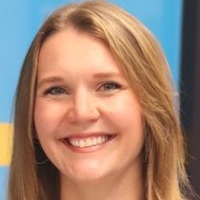 Brooke Holloway, LMSW
Canopy Children's Solutions
Brooke Holloway, LMSW
Canopy Children's Solutions
Brooke Holloway, LMSW started her career as a wilderness and adventure therapy field instructor. She led backpacking, whitewater rafting, snowboarding, and rock climbing trips with young people suffering from the effects of trauma and abuse. She worked in North Carolina, California, and Colorado before moving back home to Mississippi where she serves as the Assistant Director of the CARES Center at Canopy Children’s Solutions. As an avid CrossFitter, runner, and play enthusiast, Brooke values the importance of a healthy mind and body.
March 16, 2026 10:00 am
RESTORATIVE CIRCLES PRECONFERENCE - The Transformative Power of Restorative Circles
In-Person ONLY Session
Dive into Restorative Circle practice, which has existed in Indigenous communities around the globe for centuries. Circle practice has grown in popularity within school settings, the criminal legal system, and human services to empower youth voice and find healing responses to harm. The Home for Little Wanderers has incorporated Circle practice within staffing teams, with youth in out-home-home placement, and with families at all levels of community-based care. Circle practice can help youth who have experienced powerlessness in the context of trauma to find their voice, to support staff in developing deeper connections, and to review critical incidents that occur within the community. It allows us to see each other’s full humanity, as complex human beings, not just as co-workers or client/staff. Circle practice can be a key component in supporting trauma informed care.
This training will take place in Circle. Through storytelling, participants will experience the transformative power of being deeply listened to, and co-creating spaces for learning across difference, healing past harm and preventing future harm. Participants will leave with greater familiarity with Circle practice and with tools to incorporate Circle practice within their own organizations.
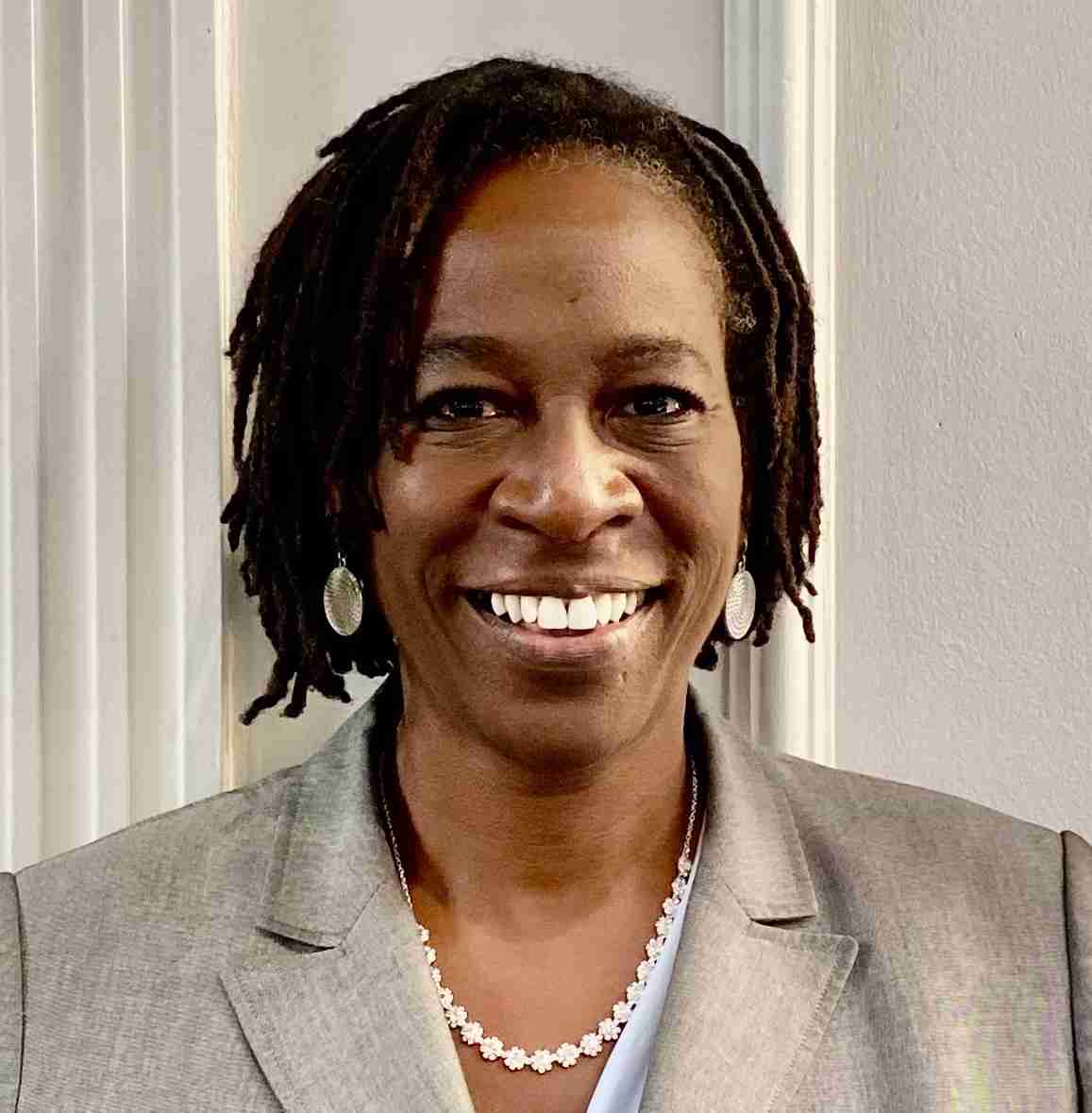 Naomi Ruth Thompson, JD
The Home for Little Wanderers
Naomi Ruth Thompson, JD
The Home for Little Wanderers
As a former practicing criminal and civil law attorney and higher education executive, Thompson brings over 20 years of DEI experience and passion for social justice to nonprofit work. Thompson earned a BA from Colgate U and a JD from Suffolk Law School. Currently, Naomi serves as the Director of DEIB for the Home for Little Wanderers, where she incorporates Circle practices to build community and resolve conflict. Naomi is the proud mother of her son, Benjamin.
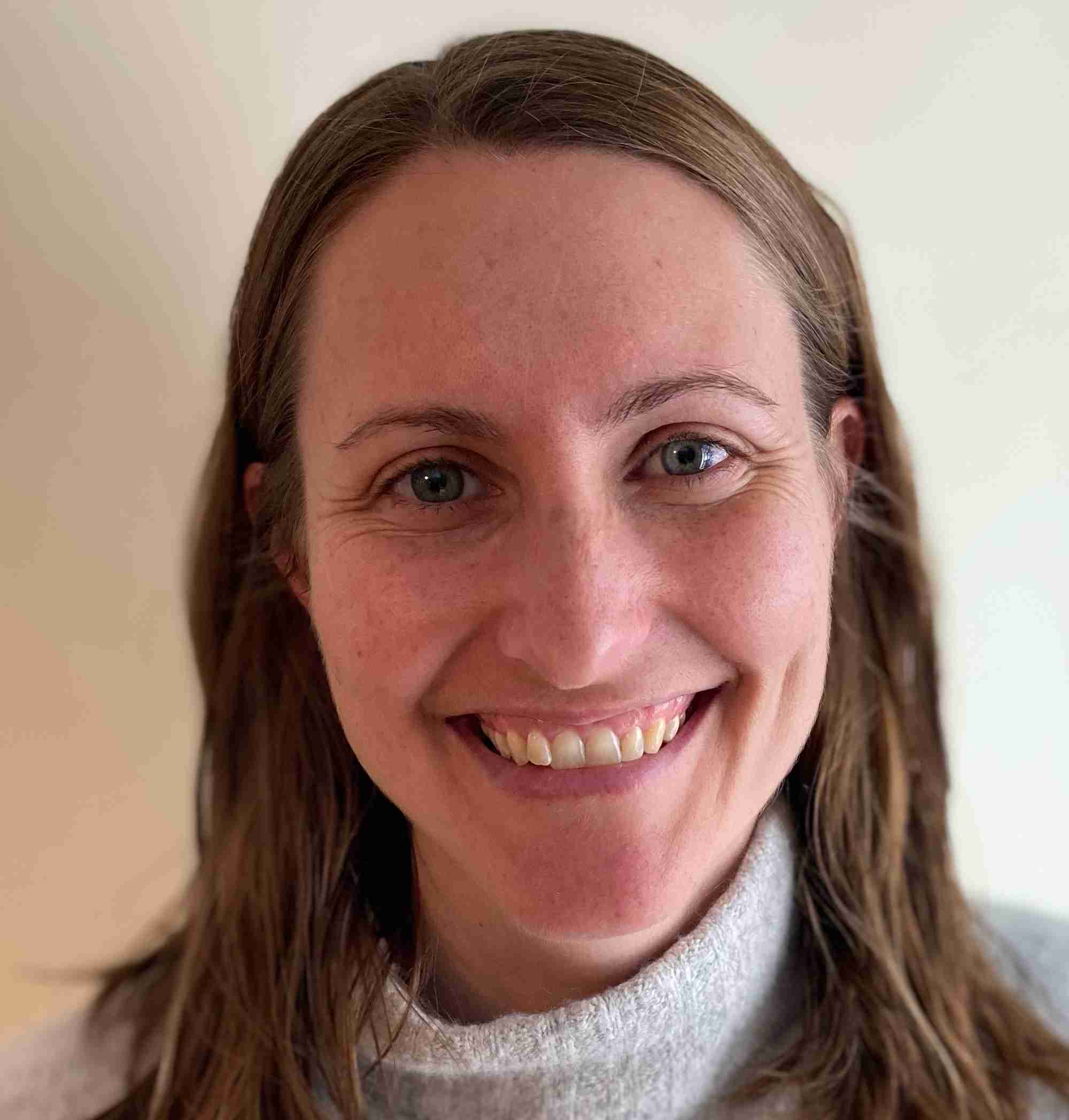 Elizabeth Woodruff, LICSW
The Home for Little Wanderers
Elizabeth Woodruff, LICSW
The Home for Little Wanderers
In her work in child welfare in Boston, MA, Elizabeth Woodruff has poured her energy into practices that embrace transformative responses to harm, keep families together, and reduce out-of-home mental health treatment. Over the last 13 years, Elizabeth has kept Circles with youth, caregivers, employees, and her own family. Elizabeth is a tireless advocate for aligning mental health service delivery with the values of Circle practice, Power Literacy, and Restorative Justice.
March 16, 2026 10:00 am
COMMUNICATIONS PRECONFERENCE - Messaging What Matters: Communication Strategies That Inspire Trust and Action
In-Person ONLY Session
In a rapidly changing communications and advocacy landscape, where soundbites and memes reign supreme, leaders in youth and family services are charged with explaining complex work to various audiences, often in fewer than 280 characters. How can we leverage new and traditional media to share our impact with clarity, compassion, and credibility? What strategies can help us frame our messages so lawmakers, funders, families, partners, our workforce, and the public truly hear and believe what we say? With guidance from journalists, elected officials, comms experts, master storytellers, and your peers, participants in this interactive session will leave equipped with new insights and practical tools to craft narratives that resonate, build understanding, and keep the focus where it belongs—on young people and families. Perfect for leaders seeking to strengthen your individual, organizational, and collective influence in public and policy arenas.
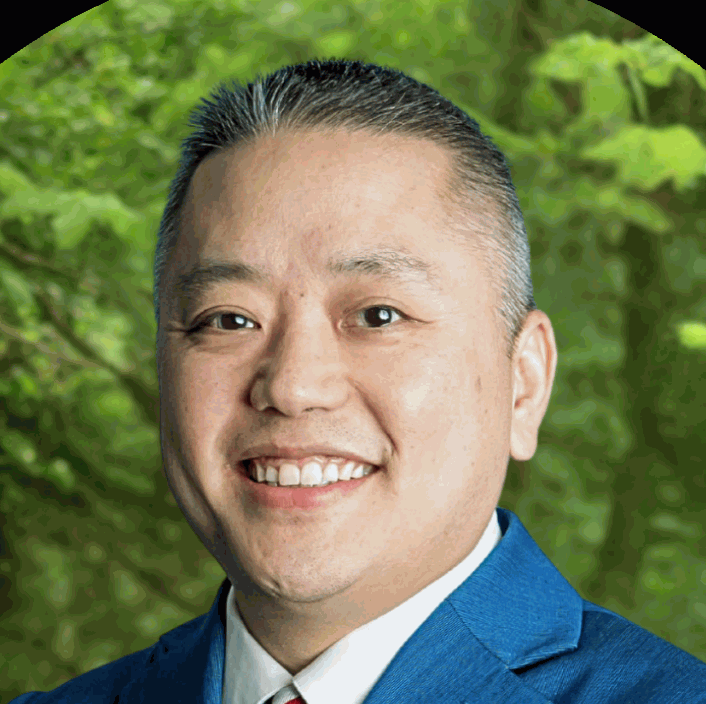 Kevin Roach
MCHS Family of Services
Kevin Roach
MCHS Family of Services
Kevin Roach serves as CEO of MCHS Family of Services. He brings 20 years of leadership in the child welfare and nonprofit world, having served in a variety of settings and with diverse populations and organizations across the country. Kevin is obtained his undergraduate BSW at Saint Louis University and his MSW at the University of Pennsylvania. At MCHS, he has led the agency through ambitious strategic planning, including becoming restraint free and leading expansion efforts of new programs, services, and locations throughout Michigan. Under his tenure, MCHS has grown over 250% while significantly serving more youth and families throughout Michigan. MCHS has expanded from one to eight locations, built and opened a trauma-informed charter school, and most recently started transitional housing services, prevention services, senior programs, and unaccompanied children and refugee services. Kevin remains active in the community, participating on several boards and committees, consulting with nonprofits around the country, and presenting at several panels and conferences around the country. Passionate about children and families, community development, and social justice, Kevin is also a reading enthusiast, wannabe foodie, recovering political junkie and golf hack, but his best title is Dad.
March 16, 2026 12:00 pm
Public Policy Town Hall
In-Person ONLY Session
ACRC’s Chief Policy & Practice Advisor and ACRC’s Public Policy Committee Chairs will guide us through the current, yet ever changing, global public policy landscape, including what’s on the horizon and how it intersects with and affects the work you do. This will be an interactive event where we will share critical information, learn from each other, answer questions, and discuss opportunities for advocacy that align with your values, priorities, and capacity in support of children, youth, and families. Enter with curiosity and leave inspired to take action.
 Lisette Burton, JD
ACRC
Lisette Burton, JD
ACRC
Lisette joined ACRC in 2020 after serving on the board of directors as the Public Policy Committee Chair for several years. In addition to leading ACRC’s advocacy efforts, Lisette builds coalitions and strategic partnerships and she utilizes her experience and skills to provide expert-level guidance, policy analysis, practice support, facilitation, strategic planning, and consultation services to ACRC’s membership and non-member systems, agencies, and associations.
Previously, Lisette was the Vice President of National Advocacy and Public Policy for the national nonprofit Boys Town, where she advocated for effective federal and state policies related to child welfare, juvenile justice, education, and health. Lisette’s foundational experiences are in direct care, and she joined Boys Town in 2007 as a Family Teacher caring for girls in foster care and boys committed to the juvenile justice system in a family-style, community-based, therapeutic residential program. Prior to Boys Town, Lisette worked in North Carolina as a program director at a therapeutic residential wilderness program and later as a community organizer focused on quality early childhood education and parental involvement in schools.
Lisette serves on several national policy committees, coalitions, and working groups. She is a mayoral appointee to the Washington, DC Juvenile Justice Advisory Group and an Associate Editor for the Journal of Child and Adolescent Trauma. Lisette regularly facilitates conversations and shares policy and practice insight and expertise with local, state, national, and international audiences.
Lisette received her B.S. in Science from the Eberly College of Science at Penn State University. She earned her J.D. at the University of Maryland Carey School of Law, where she was a Leadership Scholar and Schweitzer Fellow, a pro bono law clerk representing children with special needs, a student attorney at the National Association of the Deaf, and a legislative intern with the U.S. Senate Health, Education, Labor, and Pensions Committee.
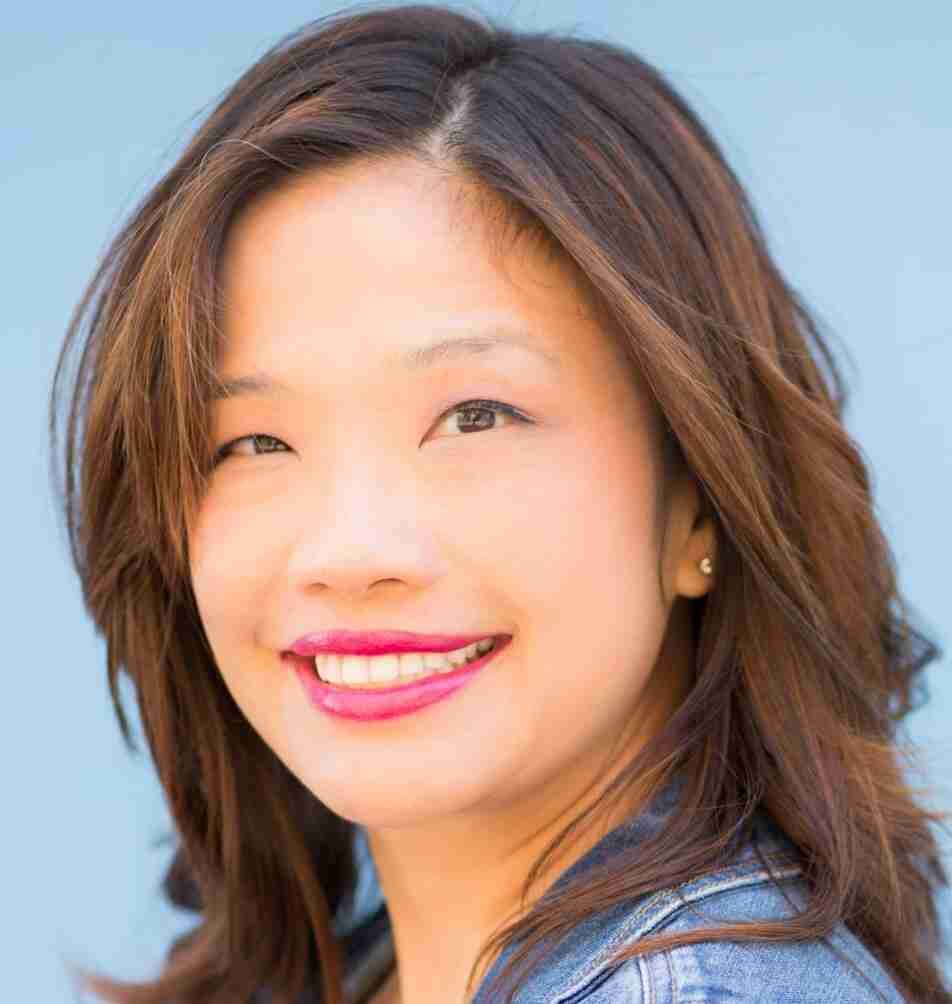 Wendy Wang
Sycamores
Wendy Wang
Sycamores
Wendy Wang, Chief Public Policy & Advocacy Officer, is a champion of many issues critical to the success of community-based organizations, including the importance of culturally responsive and linguistically appropriate care practices. This crucial work reflects the experience and insight acquired not only during her time at Sycamores, but also her previous experience at Pacific Clinics, the Association of Community Human Services Agencies and as a member of Los Angeles Mayor James K. Hahn’s administration. Ms. Wang currently serves as the Vice Chair of the Public Policy Committee for the Association of Children’s Residential Centers (ACRC) where she is also a board member. At her alma mater, USC, Ms. Wang served as President of the Price Alumni Association Board of Directors and on the board of the Asian Pacific Alumni Association. She was recognized for her dedication and years of service with the USC Widney Alumni House Award, the GPAC Outstanding Alumnus of the Year Award and the Student Health Administration’s Honorary Alumna of the Year Award.
Ms. Wang received a Master of Public Policy from University of Southern California and a Bachelor of Arts from Claremont McKenna College.
Kevin Roach
MCHS Family of Services
Kevin Roach serves as CEO of MCHS Family of Services. He brings 20 years of leadership in the child welfare and nonprofit world, having served in a variety of settings and with diverse populations and organizations across the country. Kevin is obtained his undergraduate BSW at Saint Louis University and his MSW at the University of Pennsylvania. At MCHS, he has led the agency through ambitious strategic planning, including becoming restraint free and leading expansion efforts of new programs, services, and locations throughout Michigan. Under his tenure, MCHS has grown over 250% while significantly serving more youth and families throughout Michigan. MCHS has expanded from one to eight locations, built and opened a trauma-informed charter school, and most recently started transitional housing services, prevention services, senior programs, and unaccompanied children and refugee services. Kevin remains active in the community, participating on several boards and committees, consulting with nonprofits around the country, and presenting at several panels and conferences around the country. Passionate about children and families, community development, and social justice, Kevin is also a reading enthusiast, wannabe foodie, recovering political junkie and golf hack, but his best title is Dad.
March 16, 2026 01:00 pm
PEER SUPPORT PRECONFERENCE - Rooted in Wisdom, Rising in Action: Peer Support Drives us to Know Better and Do Better
In-Person ONLY
Join us for another exciting preconference on peer delivered services in residential and community based programs!
For the past few years ACRC has been highlighting the transformational impact of hiring family peer support specialists, at our national conference, international direct care virtual conference, and in three parent partner projects. This year ACRC’s youth Change Agents- young adults with lived experience in residential interventions- interweave their wisdom with that of the family peers as we explore the role of peer support, and the benefits residential programs gain as a result of integrating this practice into their work.
Hear and learn from varied perspectives, in an afternoon inclusive of formal presentation, video, large and small group dialogue, and a panel of residential leaders, family members, and youth sharing their experience at implementing peer delivered services. Practice co-designing an approach to hire peer support specialists for your organization or community using ACRC’s Theory of Change framework, that integrates practice knowledge, lived experience, and academic research. Learn more so you will know more and do better at incorporating the considerable expertise of those we serve and support into your organization.
Bob Lieberman, MA, LPC
Lieberman Group Inc.
Robert E. (Bob) Lieberman has over four decades working with young people and families facing serious challenges, in a variety of capacities, including 28 years as CEO of Kairos Northwest. He has written extensively and is lead or co- author, and editor, of ACRC’s “Redefining Residential” papers, as well as co-editor of two books on transforming residential interventions. He chairs the Outcomes Workgroup of the Building Bridges Initiative, is certified by Massachusetts General Hospital as a trainer in Collaborative Problem Solving and is a certified Master Trainer in the NEAR sciences. He is currently President of Lieberman Group, Inc. and trains and consults across the country and internationally.
 Nancy Pierce-Craig
ACRC Consultant
Nancy Pierce-Craig
ACRC Consultant
Like a lot of parents, Nancy started her “career” learning to navigate the child serving systems for her children. Little did she realize that her personal experiences would lead her on professional quest to ensure every family, no matter the challenges they face have access to a family peer helping and supporting to teach, coach and mentor parents /caregivers as they journey towards their personal strength and empowerment.
March 17, 2026 05:00 pm
Poster Session
For details, please click on the Posters tab at the top of the agenda.
March 17, 2026 07:00 pm
The Power of Us: Leaders of Color Project Reception
An inspiring evening celebrating with the dynamic Leaders of Color Project - an opportunity to learn about our mission, engage in meaningful dialogue, and build authentic connections.
In-Person poster presentations will be Monday, March 16 from 5-7pm. Posters can also be viewed virtually in the poster hall.
March 16, 2026 05:00 pm
Bridging the Gap Before Care Begins: A Telehealth-Based Parenting Consultation as a Pre-Treatment Model for Families with Behavioral Concerns
 Madison Forde, B.A.
New York University
Madison Forde, B.A.
New York University
Madison Forde is a doctoral student in the Clinical/Counseling Psychology program at New York University. Her research interests include youth mental health, parent-child relationships, trauma-exposed populations, and increasing access to community
based/culturally-informed interventions. Her scholarship examines how parent-child interactions amongst trauma exposed populations impact caregiver mental health and youth development, and how practitioners can improve access to and retention of underserved populations in mental health services.
March 16, 2026 05:00 pm
Effectiveness, Impact and Replication
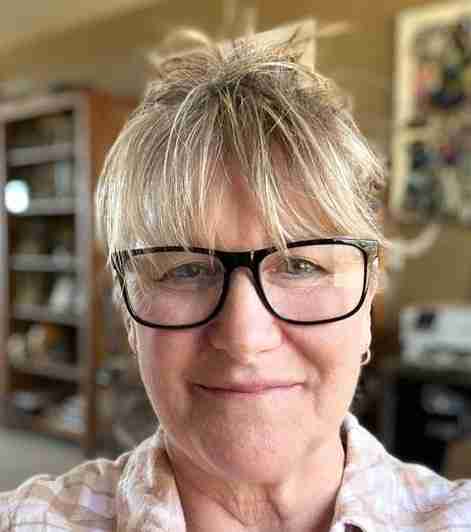 Michele Boguslofski, BS
Teaching Family Association
Michele Boguslofski, BS
Teaching Family Association
Michele Boguslofski has worked in the field of human services since 1987. Her passion has its roots in six years of direct care as a practitioner in residential care and treatment, and years in various leadership and administrative capacities. She is the Executive Director for the Teaching Family Association, a network of providers around the world committed to effective, research-driven, and evidence-based practice for persons and families.
Michele works with, educates, and supports public and private agencies and organizations internationally, in diverse program environments and cultures. She has, and continues to, witness first-hand the amazing impact and outcomes that children, teens, adults, families, and communities can experience when they work with talented, trained, dedicated, and accountable professionals.
 Tom Bowerman, BA, PG Dip
Berry Street | yooralla
Tom Bowerman, BA, PG Dip
Berry Street | yooralla
Over the last 15 years Tom has worked in senior leadership roles in government and non-government agencies in the UK and New Zealand and delivered, implemented and innovated within the field of evidence-based programs in England, New Zealand and now Australia.
Tom is a qualified social worker. He started his career working in residential care settings in the UK and has been involved in the delivery of high-quality residential care for much of the last 15 years.
While at the NHS in England, Tom worked for National Implementation Service to support the growth of MST and other evidence-based programs (EBP) focused on early intervention. In NZ Tom led the implementation of the Teaching Family Model (TFM) at Youth Horizons as well as a range of other EBP.
March 16, 2026 05:00 pm
Transforming Critical Incident Review into a Quality Improvement Engine
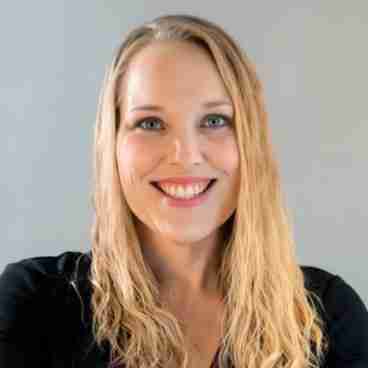 Amanda Smith-Chonko, MBA
Pressley Ridge
Amanda Smith-Chonko, MBA
Pressley Ridge
Amanda Smith-Chonko, MBA, is an Evaluation Coordinator in the Organizational Performance Department at Pressley Ridge. She specializes in program evaluation, data analysis, and continuous quality improvement, contributing to the organization’s overall effectiveness. In her role, she develops evaluation plans, supports grant proposals, and researches new technologies to strengthen evaluation practices. Amanda also prepares evidence-based reports and presentations that inform decision-making at both the programmatic and organizational levels.
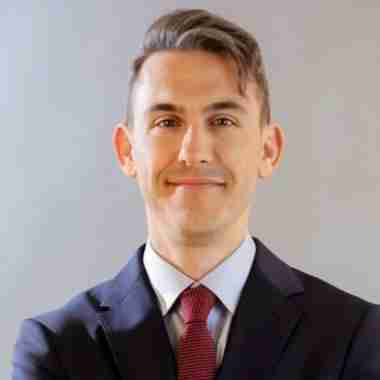 Michael Valenti, PhD
Pressley Ridge
Michael Valenti, PhD
Pressley Ridge
Michael W. Valenti has a doctorate in Applied Developmental Psychology from the University of Pittsburgh. He is currently employed as the Director of the Organizational Performance Department at Pressley Ridge. His tasks include program evaluation, monitoring quality improvement activities and metrics, and coordinating research activities. His recent research activities include exploring relational health and exploring social networks in community-based behavioral health organizations.
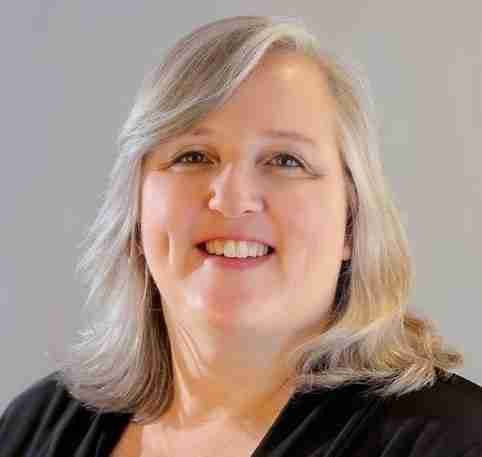 Kimberly Lohrfink
Pressley Ridge
Kimberly Lohrfink
Pressley Ridge
Kimberly J. Lohrfink, PhD is a Senior Research Coordinator in the Organizational Performance Department at Pressley Ridge. She assists the director with maintaining and coordinating research and evaluation activities for Pressley Ridge, supports the quality improvement activities of the organization, and leads the organization’s current data literacy initiative. Kimberly earned a doctorate in Applied Developmental Psychology from the University of Maryland, Baltimore County. Her recent research interests include relational health, underserved and underrepresented populations, and maternal and child health and well-being.
March 16, 2026 05:00 pm
Placement Restrictiveness and Youth Mental Health Outcomes among Youth with Experience in Residential Treatment
 Charis Stanek, PhD Student
The Ohio State University
Charis Stanek, PhD Student
The Ohio State University
Charis Stanek is an MSW-PhD student in the College of Social Work at The Ohio State University. She has prior experience as an Undergraduate Intern, Case Manager, and a Clinical Social Work Intern at three distinct youth residential care facilities for adolescent females. She has experience providing individual and group psychotherapy in a residential treatment setting during her MSW practicum. She is passionate about research-informed practice and transition services for youth and families experiencing residential care to optimize their long-term mental health outcomes.
March 16, 2026 05:00 pm
Assessing Readiness for Implementation: Using Organizational Fit and Capacity to Support Collaborative Problem Solving in Residential Treatment
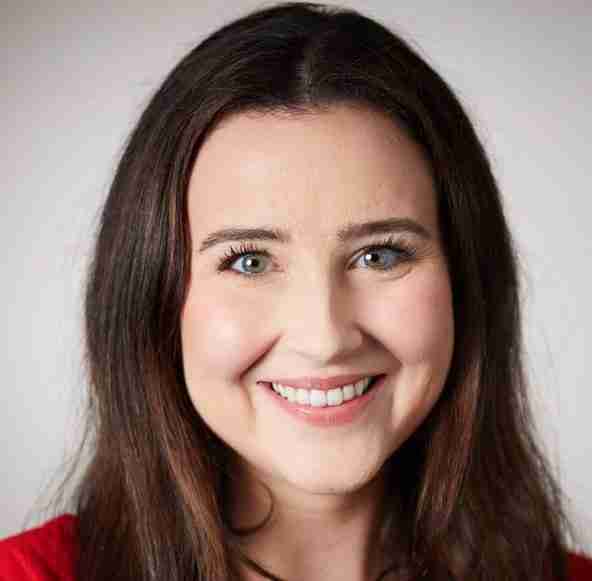 Grace Albright, PhD
Think:Kids at Massachusetts General Hospital
Grace Albright, PhD
Think:Kids at Massachusetts General Hospital
M. Grace Albright, PhD, is a postdoctoral fellow in the Department of Psychiatry at Massachusetts General Hospital and Harvard Medical School. She serves as the lead researcher for Think:Kids at MGH, which develops, studies, and disseminates the Collaborative Problem Solving (CPS) approach. CPS has been implemented and evaluated in residential treatment and community settings for more than two decades as a framework for supporting youth with challenging behaviors.
Charis Stanek, PhD Student
The Ohio State University
Charis Stanek is an MSW-PhD student in the College of Social Work at The Ohio State University. She has prior experience as an Undergraduate Intern, Case Manager, and a Clinical Social Work Intern at three distinct youth residential care facilities for adolescent females. She has experience providing individual and group psychotherapy in a residential treatment setting during her MSW practicum. She is passionate about research-informed practice and transition services for youth and families experiencing residential care to optimize their long-term mental health outcomes.
 Sanya Agrawal, MA, MPA
Think:Kids at Massachusetts General Hospital
Sanya Agrawal, MA, MPA
Think:Kids at Massachusetts General Hospital
With over five years of work experience with nonprofits in India, New York, and Massachusetts, I specialize in using data-driven techniques to support non-profits in outcomes identification/measurement, program improvement, decision-making, automate manual data entry, and information dissemination to internal and external stakeholders.
March 16, 2026 05:00 pm
Incorporating Indigenous Practices of Care
 Taylor Mayer, PhD
Yellowstone Boys and Girls Ranch
Taylor Mayer, PhD
Yellowstone Boys and Girls Ranch
Taylor Mayer is currently the Executive Director of Psychiatric Residential Services at Yellowstone Boys and Girls Ranch (YBGR). He has served at YBGR for over 30 years in various capacities. Taylor is a strong advocate of Therapeutic Foster Care and adoption.
 Josie Brady
Yellowstone Boys and Girls Ranch
Josie Brady
Yellowstone Boys and Girls Ranch
Josie Brady is the Native American Services Coordinator at Yellowstone Boys and Girls Ranch. She has integrated traditional Indigenous practices for children in a psychiatric residential setting, including smudging, Wellbriety chemical dependency group, and traditional Native American games. Josie mentors children in traditional Native American practices. The services she provides are proudly called Mustang Nation. |
March 16, 2026 05:00 pm
Devereux's multi-faceted, data driven approach to reducing physical interventions
 Bernadette Connor, MA
Devereux
Bernadette Connor, MA
Devereux
Bernadette Connor is a seasoned leader in quality improvement and clinical operations, currently serving as the Director of Quality Improvement at The Devereux Foundation, overseeing services across Massachusetts, Rhode Island, and Connecticut. With over a decade of progressive leadership experience in residential and therapeutic settings, Bernadette has built a reputation for driving excellence in care, compliance, and organizational effectiveness.
 Kristen Collins
Devereux
Kristen Collins
Devereux
Kristen Collins is a dedicated and compassionate human services professional with over 15 years of experience in residential treatment and behavioral health. Currently serving as PBIS and Physical Intervention Prevention Coordinator at Devereux MA, Kristen plays a pivotal role in the reduction of the use of Physical Intervention for the agency. Her position is unique and spans data analysis, Quality Improvement, training as well as spearheading restraint reduction and PBIS initiatives. She is passionate and forward thinking in reducing and eliminating the use of restraints in children’s residential programs. |
March 16, 2026 05:00 pm
Doing Whatever It Takes: Parent Partners Reconnecting Youth and Caregivers
 Ana Maria Ortiz, B.A.
Sycamores
Ana Maria Ortiz, B.A.
Sycamores
Ana Maria, B.A, is a Research Assistant II with the Research and Continuous Improvement department at Sycamores. She plays an essential role in evaluating the agency’s Short-Term Residential Therapeutic Program (STRTP), including developing, collecting, and analyzing data that captures youths’ voice and is used to continue to improve the program.
 Andreina Cordova, MDP
Sycamores
Andreina Cordova, MDP
Sycamores
Andreina Cordova, MDP, is Director of the Research and Continuous Improvement Department at Sycamores. Her primary focus is program evaluation and streamlining data collection processes including management and analysis, identifying performance trends and patterns, and designing formative and summative evaluation reports. She is passionate about using data creatively to create awareness, empower change, and make informed decisions.
March 16, 2026 05:00 pm
Reimagining Foster Care for Youth Impacted by Commercial Sexual Exploitation
 Julie Freccero, MPH, BA
Human Rights Center, University of California, Berkeley
Julie Freccero, MPH, BA
Human Rights Center, University of California, Berkeley
Julie Freccero is the Director and Founder of the Health and Human Rights Program at the UC Berkeley Human Rights Center, which works to improve the health and protection of marginalized communities affected by conflict, displacement, and violence. She currently leads evaluation efforts for the SF SOL Collaborative, a six-year state-funded initiative piloting interventions for youth impacted by commercial sexual exploitation in San Francisco. She also serves as Principal Investigator of a multi-country study on the protection and mental health needs of LGBTQI+ youth in refugee settings. Julie brings over 18 years of experience in gender-based violence research and practice with a focus on youth protection and empowerment. She has managed GBV programs for UNFPA in Greece and UN Women in Tanzania, and led research on trafficking of unaccompanied and separated children, child marriage, safe shelter, and health sector responses to sexual violence in humanitarian settings in Africa, Asia, the Middle East, and Europe.
March 16, 2026 05:00 pm
An Occupational Therapy Needs Assessment of Instrumental Activities of Daily Living in Pediatric Community-Based Environments
 Stefanie Seanor, EdD, MBA, OTR/L, BCP
Sacred Heart University
Stefanie Seanor, EdD, MBA, OTR/L, BCP
Sacred Heart University
Dr. Stefanie Seanor is the Department Chair and Program Director of the Graduate Program in Occupational Therapy at Sacred Heart University in Fairfield, CT. She has shared expertise in childhood occupations throughout 20 years as a pediatric clinician in private practice and in secondary/transition public school programs. She attributes her diverse community initiatives to innovative and successful interdisciplinary collaboration. Research interests include pediatric practitioner perception and readiness skills, pediatric occupational wellness, and collaborative engagement in the provision of mental health services to children and adolescents
March 16, 2026 05:00 pm
Bridging Residential and Educational Systems: A Cross-Sector Collaboration Model
 West Cruz, MA
Rising Ground
West Cruz, MA
Rising Ground
With over 15 years in the non-profit sector, West has developed and led residential programs focused on participation, continuous improvement, and meaningful outcomes. His background in Social Services and Counseling equips him to lead and innovate within residential settings. Passionate about supporting families through a holistic approach, he is committed to creating lasting impact for individuals and families in need. |
 Kamel Lyons
Rising Ground
Kamel Lyons
Rising Ground
Paul M. Pizzeletto
Rising Ground
March 16, 2026 05:00 pm
Enhancing Treatment Outcomes through Occupational Therapy and Sensory Integration for Youth with Severe Emotional Disturbance and Co-occurring Developmental Disability, Autism Spectrum Disorder, and/or Cognitive Impairments
Stephanie Jallen, MD
Ruth Meiers Adolescent Center
Stephanie Jallen is a board-certified Child & Adolescent Psychiatrist. She earned her medical degree from the University of North Dakota. She completed her general psychiatry residency and child psychiatry fellowship at the University of Florida. Stephanie has worked for the North Dakota Department of Health and Human Services since 2016, primarily providing outpatient services, but in December 2024, she shifted part of her clinical time to providing residential psychiatric services via telehealth.
Jennifer Reynolds, BSN/RN
Ruth Meiers Adolescent Center
Jennifer Reynolds is a Registered Nurse and Program Director. She received her Bachelor's of Science from the University of North Dakota. Jennifer has worked for North Dakota Health and Human Services for 2 years and currently acts as the program director at the Ruth Meiers Adolescent Center. |
Faustina Gray, OTD, OTR/L
Ruth Meiers Adolescent Center
Faustina Gray received her Doctorate of Science in occupational therapy from the University of Mary. Faustina's areas of interest include trauma-informed pediatric care, evidence-based practice, and homelessness outreach as an emerging area of OT practice. Faustina's primary position is at a PRTF in Grand Forks, ND, helping youth progress their self-regulation skills, social skills, ADLs, IADLs, and fine/visual motor skills so they can thrive in their communities and beyond.
March 16, 2026 05:00 pm
360 Youth Care Worker Assessment as a Professional Development Tool
 Marc Velasquez, MFA
Mercy Home for Boys and Girls
Marc Velasquez, MFA
Mercy Home for Boys and Girls
Marc Velasquez, Director of Milieu Training, has been with Mercy Home for Boys & Girls since 2013. Prior to his work at Mercy Home, Marc worked with persons experiencing homelessness in Boston, college students interested in learning about social justice, and incarcerated individuals in Belize. Marc earned a MFA from Emerson College, and studied English, Philosophy and Theology as an undergrad at Boston College. During his time at Mercy Home, Marc has intentionally shaped spiritual programming that is responsive to both trauma and spiritual dissonance. He insures that spiritual programming at Mercy Home is Youth centered. He trains, coaches and mentors Mercy Home coworkers to keep a trauma informed approach and to be curious at all times.
March 16, 2026 05:00 pm
Carrying the Emotional Load: Direct Care Staff Versus Administrative Experiences of Secondary Trauma
 Kayla Thompson, BS
Purdue University Northwest
Kayla Thompson, BS
Purdue University Northwest
Kayla Thompson is a second-year doctoral student in the Clinical Psychology program at Purdue University Northwest. Her research focuses on trauma, secondary traumatic stress, and forensic psychology, with ongoing projects in Dr. Carly Baetz’s STAR-LS lab, including the Staff Stress and Support study. She has presented at regional and national conferences, contributed to publications, and has experience as both a graduate instructor and clinical extern. Kayla’s work is dedicated to improving trauma-informed practices and workforce well-being in child and youth-serving systems. |
 Emma Roberts, BA
Purdue University Northwest
Emma Roberts, BA
Purdue University Northwest
Emma Roberts is a second-year doctoral student in the Clinical Psychology program at Purdue University Northwest. Her commitment to trauma-informed care began during her time as a Victim/Witness Assistant at the Lake County Prosecutor’s Office, where she supported individuals navigating the aftermath of traumatic events. Her research interests center on trauma, intimate partner violence, and the intersection of law and psychology. She currently serves as a research assistant in Dr. Carly Baetz’s STAR-LS lab, studying stress and trauma in justice-involved youth. Emma’s background includes work in pedagogical research, substance abuse counseling, conference presentations, and undergraduate course instruction—all reinforcing her dedication to advancing mental health support through both clinical practice and research.
Carly Baetz, JD/PhD
Purdue University Northwest
March 16, 2026 05:00 pm
Bridging the Gap: PRTF and In-Home Family Services Partnership to Support Sustainable Step-Down Transitions
Lori Scharff, LICSW
Boys Town National Research Hospital
 Alison Howard, LIMHP
Boys Town National Research Hospital
Alison Howard, LIMHP
Boys Town National Research Hospital
Alison Howard has had a variety of professional experiences during her 21 years at Boys Town. She began in direct care and was promoted quickly to a Shift Manager. She attended school while working and earned her master's degree in counseling as well as her clinical license. She became a Clinical Therapist at the Residential Treatment Center (RTC) and later a Regulatory and Accreditation Specialist where she monitored and developed policy and ensured adherence to regulations and standards dictated by the Joint Commision, CMS, and other regulatory bodies. She is currently the Program Director at the RTC, an 80-bed unit for children ages 5-17 years of age.
March 16, 2026 05:00 pm
Dyadic and Systemic Trauma-Informed Care in Adolescent Residential Settings: A Systematic Review of Outcomes for Staff, Youth, and Relationships
Veli-Matti Karhu
Helsinki University
March 16, 2026 05:00 pm
Supporting Better Sleep: Cognitive Behavioral Therapy for Insomnia with Trauma Impacted Adolescents (CBTi-TA) in Congregate Care
 Hilary Hodgdon, PhD
Justice Resource Institute
Hilary Hodgdon, PhD
Justice Resource Institute
Dr. Hodgdon is a licensed clinical psychologist, trainer and researcher specializing in the study and treatment of traumatic stress. Dr. Hodgdon is the Research Director of Justice Resource Institute (JRI), a large behavioral health non-profit organization in New England. Dr. Hodgdon serves as the Principal Investigator of the Building Resilience through Residential Communities Initiative, a National Child Traumatic Stress Network (NCTSN) center focused on dissemination of evidenced based practices for trauma-impacted children, youth, and families both locally and nationally.
March 16, 2026 05:00 pm
Skills That Stick: Elevating Youth Residential Care Through Targeted Workforce Development
 F. Tony Bonadio, PhD
Innovations Institute, UConn School of Social Work
F. Tony Bonadio, PhD
Innovations Institute, UConn School of Social Work
Tony Bonadio, PhD, is an Assistant Research Professor at Innovations Institute, University of Connecticut School of Social Work. Dr. Bonadio primarily focuses on the implementation and evaluation of evidence-based interventions in public behavioral health and child welfare systems. He works closely with the National Wraparound Implementation Center (NWIC) to support the implementation and evaluation of care coordination models across multiple states. Additionally, he brings extensive expertise in leveraging administrative data to support system redesign and outcome monitoring for public child-serving systems. He partners with states to provide technical assistance for evaluation planning, fidelity monitoring, and continuous quality improvement processes that help systems of care identify barriers and facilitators of implementation and support data-informed decision making. His research interests include the use of person-centered approaches to explore differential patterns of service utilization and outcomes across service arrays as well as the development and implementation of data-informed decision making in behavioral health settings. Tony holds a PhD in clinical psychology from Bowling Green State University. |
Tamara Sadler, MSW, LCSW
Hoyleton Youth & Family Services
March 16, 2026 05:00 pm
Decreasing Staff Burnout to Improve Treatment Outcomes
 Samantha Mishne, LISW-S, LICDC-CS
Bellefaire JCB
Samantha Mishne, LISW-S, LICDC-CS
Bellefaire JCB
Samantha Mishne is the Director of DBT Adherence at Bellefaire JCB and an adjunct faculty at Case Western Reserve Jack, Joseph and Morton Mandel School of Applied Social Sciences for 14 plus years. Samantha since earning her masters in clinical social work has spent the past 20 years focusing on the implementation of evidenced based treatment primarily Dialectical Behavioral Therapy and Cognitive Behavioral Therapy to get clients back to their life worth living as quickly as possible. Her primary focus is the treatment of suicidal in self-harming adolescents and adults. Samantha’s life worth living includes spending time with her children and collecting prints. |
 Jamie Walker-Syph, LISW-S
Bellefaire JCB
Jamie Walker-Syph, LISW-S
Bellefaire JCB
Jamie L. Walker-Syph is an independently licensed social worker with a supervision desgination. She earned her bachelor’s degree in education from The University of Findlay and her master’s degree in social work from Case Western Reserve University. She has 12 years of clinical experience working in individual therapy and intensive residential treatment facilities. Additionally, she has experience working with LGBTQIA+ individuals, specifically transgender youth. Her specialties include working with teens and adults experiencing depression, anxiety, relationship, identity and adjustment issues, parenting, stress management, diversity, family issues, autism, and behavioral/oppositional disorders. Jamie is currently the Division Director of a Residential Program in Cleveland Ohio.
March 16, 2026 05:00 pm
Transforming Care: A Systemic Blueprint for Implementing Positive Behavior Supports and Eliminating Coercive Practices
Nicole Sorensen, MS, BCBA, IBA, LBA
MyPath Support Services
Nicole Sorensen, is a dedicated Board Certified Behavior Analyst with expertise in behavior analysis and organizational leadership. Nicole has extensive experience across educational, residential, and international settings; she champions ethical ABA mentorship. Nicole currently serves as Director of Therapeutic Practices at My Path. Passionate about research and global applications of ABA, she elevates standards in the field through leadership, education, and advocacy. |
March 16, 2026 05:00 pm
Hillsides’ Center of Excellence: Trauma-Informed Strategies Wellness
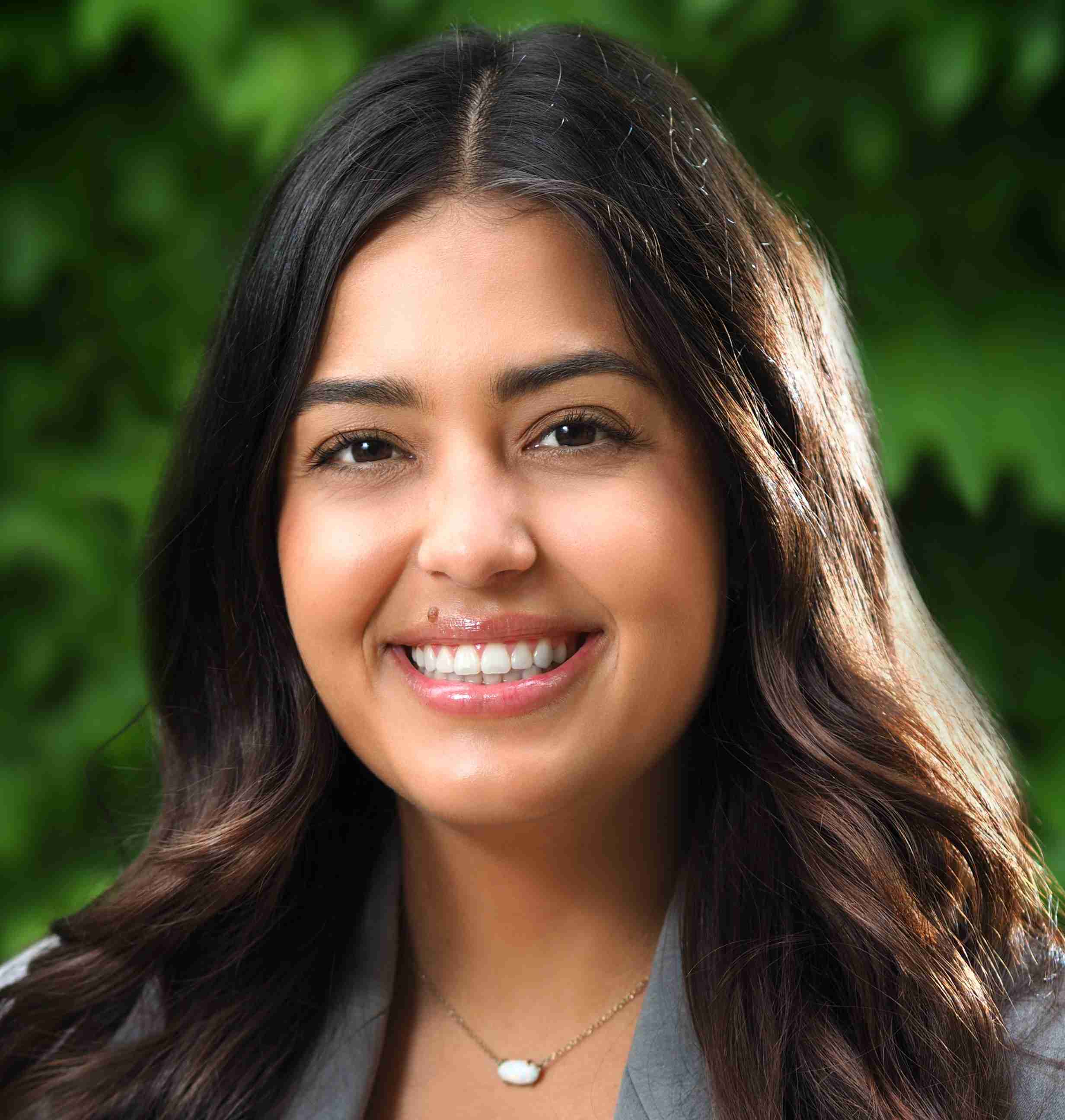 Lucy Garcia, MPH
Hillsides
Lucy Garcia, MPH
Hillsides
Lucy Garcia joined Hillsides in 2021, leading innovation initiatives and supporting new business opportunities for the organization. She oversees health plan contracting and relationship management for multiple service lines, including residential and intensive outpatient behavioral treatment programs. Lucy drives business growth through her work in referral development, patient experience, and marketing of commercial programs. She organized and executed the agency’s first targeted referral outreach campaign, cultivating long term relationships with key contacts to increase referral volume. Additionally, Lucy leads market research efforts to identify new service lines and grant opportunities for strategic positioning and expansion at Hillsides. Lucy received her Bachelor of Science in public health from Arizona State University, and her Master of Public Health degree in health policy and management from the University of California, Los Angeles.
 Lauren Anderson, MPH
Hillsides
Lauren Anderson, MPH
Hillsides
Lauren Anderson is a Business Development Analyst at Hillsides, a behavioral health nonprofit dedicated to helping children, youth, and families heal. With a background in public health and community engagement, Lauren is passionate about expanding access to compassionate, person-centered care. At Hillsides, she supports strategic growth, funding opportunities, and program implementation. She also serves on Hillsides’ Trauma-Informed Care Committee and contributes to the Center of Excellence, which shares wellness and trauma-informed practices with other organizations. Lauren holds a Master of Public Health from the University of California, Los Angeles (UCLA), and enjoys cooking, going to the beach, and spending time with family and friends.
March 16, 2026 05:00 pm
From Framework to Impact: How Our Theory of Change Helps Youth and Staff Be Connected, Capable, and Healthy
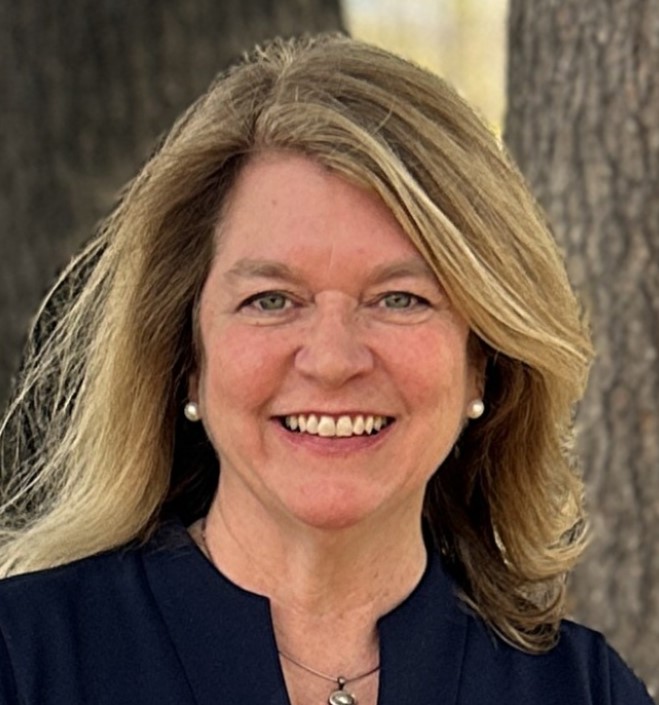 Kathy Mills, PhD, LICSW
RFK Community Alliance
Kathy Mills, PhD, LICSW
RFK Community Alliance
Kathy Mills, PhD, LICSW, is the President and CEO of RFK Community Alliance in Lancaster, MA. Dr. Mills has more than 30 years of experience in human services, along with a deep, personal commitment to improving the lives of children and families facing complex challenges. Her leadership has been instrumental in cultivating a culture of excellence and continuous learning across the organization. Dr. Mills began her career as a front-line direct care staff member, then a residential clinician, and went on to hold a wide range of leadership and advocacy roles. She holds a PhD from the Heller School for Social Policy and Management at Brandeis University, and a Master of Social Work degree from Simmons University.
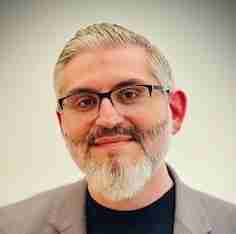 Ergon Gjika, LMHC, MBA
RFK Community Alliance
Ergon Gjika, LMHC, MBA
RFK Community Alliance
Ergon Gjika, MBA, LMHC, is Clinical Director of Residential Services at RFK Community Alliance in Lancaster, MA. He has worked in residential treatment for over 20 years and has held direct care, clinical, and leadership positions. He is passionate about integration and operationalization of evidence-based practices within direct care work for residential program staff through professional development training and in-the-moment coaching. He holds a Master's degree in counseling psychology, is independently licensed, and has an MBA with a concentration in Management.
March 16, 2026 05:00 pm
Rethinking Professional Development: A Design Thinking Approach for Direct Support Professionals
Michaela Fanelli, M.Ed., BCBA, CTRS-E, LABA
League School for Autism
Michaela Fanelli, EdD candidate in Higher Education Leadership, is a Board Certified Behavior Analyst (BCBA) and Organizational Behavior Management (OBM) Specialist. She currently serves as Manager of Professional Development and Learning at the League School for Autism, where she leads efforts to create inclusive professional development experiences for all roles. Michaela’s expertise spans autism, behavior, and special education administration, with a focus on applying evidence-based practices to design meaningful and transformative professional learning.
Cheryl White, MSM, EdD
League School for Autism
Cheryl A. White currently serves as the Chief Operating Officer at the League School for Autism, bringing over two decades of expertise in nonprofit management and special education. She has researched teacher retention and student voice in programming. Cheryl has led several organizational improvement initiatives and consultations. Cheryl is a licensed Special Education Administrator and holds a Doctoral degree in Transformational Educational Leadership from Bay Path University. |
March 16, 2026 05:00 pm
Building Bridges to Enhance the Adoption Competency of the Workforce to Improve Mental Health for Youth with Complex Needs
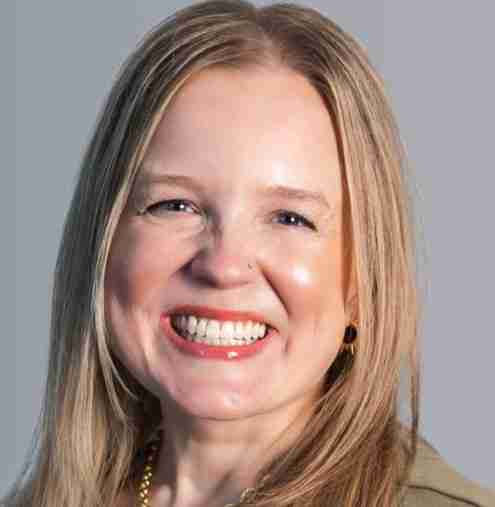 Erin Bader, MSW, LCSW
National Center for Adoption Competent Mental Health Services
Erin Bader, MSW, LCSW
National Center for Adoption Competent Mental Health Services
Erin brings 20 years of experience working in child welfare to her role at the National Center. As the Director of Knowledge and Dissemination, Erin collaborates with National Center partners, and consultants to create and compile editorial content to maintain the National Center Knowledge Hub. As the driver of Universal Technical Assistance, Erin orchestrates the broad dissemination of National Center content through monthly webinars, editorial content, conference presentations, and more.
Before joining the National Center, Erin was a child welfare and adoption subject matter expert at Child Welfare Information Gateway and oversaw National initiatives such as National Adoption Month. Prior to this, Erin led child welfare programs at Lutheran Family Services of Nebraska. Her background also includes direct practice work as a Children’s Social Worker in Los Angeles and Protection and Safety worker in Nebraska, enriching her expertise across child welfare and adoption services. |
Performance and Quality Improvement (QI) Made Simple: what is QI Really and How Does it Improve Performance
 Mairin Schreiber, B.A., MA
NFI Massachusetts, Inc.
Mairin Schreiber, B.A., MA
NFI Massachusetts, Inc.
Mairin Schreiber, Director of Quality and Development for NFI Massachusetts has 30 years of operational experience in mental health, juvenile justice, and child welfare services. She holds a master's degree in human development and psychology from Harvard University, where she focused on at-risk populations with a special interest in girls' and women's development. In addition to being an executive leadership team member at NFI, she is responsible for the quality management and compliance, strategic planning, training, development activities, program evaluation, and implementation of trauma and evidenced-informed models.
 Ben Orzechowski, MA
NFI Massachusetts, Inc.
Ben Orzechowski, MA
NFI Massachusetts, Inc.
Ben Orzechowski is the Quality and Compliance Manager for NFI Massachusetts. He holds a master's in community psychology and is proficient in conducting surveys, statistical analysis, and promoting quality assurance, and improvement activities. |
 Melissa Petrone, LCSW
NAFI Connecticut
Melissa Petrone, LCSW
NAFI Connecticut
Melissa is the Director of Quality Assurance for Connecticut, Rhode Island, and New York. She is a licensed Clinical Social Worker. As the Director of QA, she coordinates and leads the agency's performance and quality assurance plans and the agency's accreditation process through the Council on Accreditation (COA). These processes ensure that the agency is using data-driven strategies to inform decision-making and guide service delivery. Melissa also oversees the agency's Information Technology Department and serves as both the system administrator for the agency's electronic health record and HIPAA Privacy Officer, ensuring that employees have access to needed technology and that the agency maintains high standards of safety and security.
March 17, 2026 09:00 am
Opening Keynote Presentations:
KEYNOTE SESSION 1 - Weaving Wisdom: Integrating Practice, Lived Experience and Academic Research into Care and Community Work
In this keynote, Dr Lisa Cherry explores her Triad of Knowledge, professional practice, lived experience and academic knowledge, as a dynamic framework of understanding. Lisa considers how they can be integrated into how we work to create relationally rich, trauma-informed environments that honour complexity and cultivate belonging.
This session invites practitioners, leaders, and carers to reimagine their roles not just as service providers, but as co-holders of healing spaces. We’ll examine how lived experience can challenge assumptions, how academic knowledge can deepen understanding, and how frontline practice can illuminate what truly matters in moments of connection.
Lisa Cherry
Author, Researcher, Leading International Trainer and Consultant
Dr Lisa Cherry is an author, researcher, leading international trainer and consultant, specialising in assisting settings, services and systems to create systemic change to the way that we work with those experiencing and living with, the legacy of trauma. Lisa has been working in and around Education and Children’s Services for over 35 years and combines academic knowledge and research with professional expertise and personal experience. Lisa has worked extensively with Social workers, Educators, Probation Workers and those in Adult Services, training and speaking to over 35,000 people around the world including in the US, Australia and Pakistan and across the whole of the UK.
Up until August 2025 Lisa was the Founder and Director of Trauma Informed Consultancy Services Ltd leading a dynamic and creative organisation that provides a 'one stop' approach to delivering on research, consultancy and learning and development. Lisa is still very much an integral part of TICS Ltd.
Lisa has produced multiple pieces of research for various settings and Lisa's own MA research looked at the impact on education and employment for care experienced adults who experienced school exclusion as children in the 1970's and 1980's. In February 2024 Lisa completed her DPhil research at The University of Oxford in the Department of Education. The research asked "How do care experienced adults who were also excluded from school make sense of belonging?"
Lisa is the author of the hugely successful and award winning book 'Conversations that make a difference for Children and Young People' (2021), 'The Brightness of Stars’ 3rd Edition (2022), and her most recent book, Weaving a Web of Belonging (2025). Lisa's next book 'Caring for the people who Care' is due to be published in December 2025.
KEYNOTE SESSION 2 - Cultivating Shared Knowledge, Perspectives, and Power: Co-designing for Meaningful Impact
A Theory of Change framework developed by the Building Bridges Initiative of ACRC has generated a methodology that integrates System of Care principles, co-design practices, participatory evaluation, family engagement, and peer learning in a collaborative cross-sector public private partnership. A learning eco system has emerged from a demonstration project with five residential programs in Oregon that has yielded culture change and quality improvement in participating programs and built trusting relationships between family members, youth and provider staff, as well as with project leaders.
This keynote will describe the framework and the Principles to Outcomes Driven Practices demonstration, from the perspectives of the varied participants. Family and youth peers, provider staff, ACRC project consultants, researchers, and state and provider association leaders will share their experiences with co-design processes and this innovative approach to collaborative integration of data and voice that has generated positive outcomes and transformational impacts.
Bob Lieberman, MA, LPC
Lieberman Group Inc.
Robert E. (Bob) Lieberman has over four decades working with young people and families facing serious challenges, in a variety of capacities, including 28 years as CEO of Kairos Northwest. He has written extensively and is lead or co- author, and editor, of ACRC’s “Redefining Residential” papers, as well as co-editor of two books on transforming residential interventions. He chairs the Outcomes Workgroup of the Building Bridges Initiative, is certified by Massachusetts General Hospital as a trainer in Collaborative Problem Solving and is a certified Master Trainer in the NEAR sciences. He is currently President of Lieberman Group, Inc. and trains and consults across the country and internationally.
March 17, 2026 12:00 pm
Issues Lunch
To view all Issues Lunches, go to the Issues Lunches tab at the top of the agenda.
March 17, 2026 01:30 pm
Workshop Session A
1 Workshop from Session A will be recorded and live streamed.
Centering the Cultural Identity of Youth and Staff: Creating a Bridge to Safety and Improving Outcomes

This workshop examines how incorporating cultural identity as a central component of assessment and treatment can significantly improve outcomes for youth of color in residential and community-based settings. Moving beyond surface-level cultural competence, this presentation explores comprehensive approaches that leverage cultural strengths, address cultural trauma, and support healthy identity development as core therapeutic processes.
This workshop examines how lived experience and culturally specific programming enhance safety and reduce incidents in secure facilities. Drawing on research and practice, it highlights how people of color on staff who share cultural or community ties with youth build trust, de-escalate conflict, and foster authenticity. Participants will explore strategies for hiring, supporting, and empowering staff with lived experience to create safer, more connected environments where culture becomes a bridge to healing and positive outcomes.
 Tekoah Boatner, HS-BCP, CNP, PMP
Youth Oasis
Tekoah Boatner, HS-BCP, CNP, PMP
Youth Oasis
Tekoah's an experienced nonprofit executive and consultant with a gift for stabilizing organizations through culture-based program design that incorporates the lived experience of their consumers. A Southern girl with midwestern roots, she's all about turning ideas into real-world business strategies. She is a board-certified human services specialist, certified nonprofit professional and project management professional. Tekoah loves solving complex problems of the human variety and blending policy smarts with people skills. She is a regular presenter at local association meetings, business groups, and other Human Service organizations. She excels in developing culture-based models that are flexible, scalable, and responsive, and regularly trains on topics such as adverse childhood and community experiences, youth homelessness, child welfare service provision, youth services, organizational capacity building, and program development. In any demanding setting, Tekoah thrives on the opportunity to share her knowledge and make a meaningful impact.
Outside work, Tekoah's a mom and loves technology and philosophy. She is all about human rights and connecting with folks to have engaging conversations. Living in Louisiana, she's a traveler at heart and always looking for a new adventure.
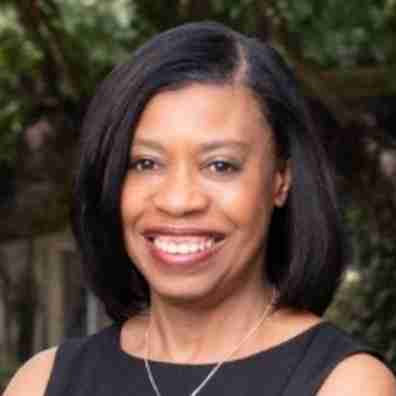 Lena Wilson, JD
Vista Del Mar
Lena Wilson, JD
Vista Del Mar
Lena Wilson has dedicated more than 30 years to advancing child welfare and family well-being. She currently serves as President and CEO of Vista Del Mar Child and Family Services, where she leads a continuum of programs designed to support youth and families through healing, stability, and growth. Throughout her career, Ms. Wilson has served in a wide range of leadership roles across the child welfare system. She began her journey as a youth specialist in a small residential setting, an experience that grounded her lifelong commitment to children facing adversity. She went on to serve as Program Manager for foster care services, Administrator of the Salvation Army Denby Center, an 85-bed residential treatment program, and Executive Director of Lutheran Adoption Service, the largest nonprofit adoption agency in Michigan. Before joining Vista, Ms. Wilson was Vice President of Samaritas’ statewide Child and Family division, overseeing a diverse portfolio of programs that strengthened families across Michigan. Guided by the principle to “always look back and extend a hand as you move forward,” Ms. Wilson is passionate about empowering at-risk children and families to reach their fullest potential. As she often shares, “Kids facing trauma and neglect need safety and strong support to heal. These kids are ours, the child sitting next to yours in class, or the neighbor down the street. When we lift up one child, we strengthen our entire community.” In addition to her leadership at Vista, Ms. Wilson plays a vital role in shaping systemic change. She serves on several local, state, and national boards and committees, including the California Alliance of Children and Families, the Association of Children’s Residential & Community Services (ACRC), the Association of Community Human Service Agencies where she chairs the Residential Committee, and the Full Circle Health Network. She is also an active member of the Building Bridges Leaders of Color Initiative and consults with peer organizations on elevating youth voice and choice in residential care. A native of Michigan, Ms. Wilson earned her Juris Doctorate from the University of Detroit Mercy. Beyond her professional life, she treasures her role as mother to two daughters: Maya, a graduate of Eastern Michigan University with a degree in Business, and Olivia, who is pursuing a bachelor’s degree in Public Health at San Diego State University.
 Larome Myrick, PhD
Dept. of Children, Youth and Families: Division of Youth Development
Larome Myrick, PhD
Dept. of Children, Youth and Families: Division of Youth Development
Dr. Larome Myrick is a highly accomplished professional in the field of criminal justice, who served as the Executive Director of Juvenile Justice for the State of Rhode Island from May 2018 to present. With an extensive educational background and a wealth of experience, Dr. Myrick has made significant contributions to the field throughout his career. Dr. Myrick obtained his undergraduate degree in Healthcare Administration from the esteemed University of Toledo in 2003. Recognizing the importance of continued education, he pursued a master's degree in Organizational Leadership from Lourdes University in 2009. Driven by a thirst for knowledge and a desire to make a lasting impact, he went on to complete his PhD in Criminal Justice.
 Ray Moss, PhD
Carl Moss Institute
Ray Moss, PhD
Carl Moss Institute
Dr. Moss brings two decades of experience and unwavering commitment to education and human services, particularly in championing at-risk youth. His impressive educational background includes a Doctorate in Public Administration from Capella University, a master’s degree in administration of justice and security from the University of Phoenix, a bachelor’s degree in criminal justice, and an associate degree in law enforcement. He is also a proud member of the Phi Beta Sigma Fraternity, Incorporated.
Dr. Moss's professional journey is deeply rooted in a personal tragedy—the loss of his brother to out-of-home displacement at the young age of 11. This poignant experience fueled his dedication to aiding young individuals facing similar challenges, steering him toward a career focused on improving the lives of at-risk youth. Beginning his career at the Michigan Department of Corrections as a Probation/Parole Officer, Dr. Moss later relocated to Minnesota, assuming the role of Juvenile Detention Alternatives Initiative (JDAI) Director for Ramsey County Juvenile Services. Notably, during his tenure with JDAI, Dr. Moss played a pivotal role in the creation and successful passage of a bill aimed at dismantling Extended Juvenile Jurisdiction (EJJ) probation, addressing the disproportionate incarceration rates of youth of color. Dr. Moss firmly believes that authentic youth justice transformation necessitates decision-makers with a profound understanding of the struggles faced by youth, guided by empathy and love.
Before joining Rite of Passage, Dr. Moss held several leadership positions, including Program Manager for Cherry Health Reentry Center and Director of Rehabilitation Services for the Salvation Army. He has also imparted his knowledge and expertise by teaching in Criminal Justice programs at Michigan institutions such as South University in Novi, Baker College in Allen Park, and Henry Ford Community College in Dearborn. Dr. Moss is also the founder and CEO of a non-profit organization specializing in culturally tailored criminal justice transformation programs for the African American community. A passionate advocate for Positive Youth Development, he actively consults with organizations on addressing implicit bias within criminal justice policies and practices.
Beyond his professional roles, Dr. Moss is a devoted father of six and enjoys weightlifting, basketball, and has a profound love for reading.
Beating the Odds: Change Agents with Lived Experience Leading with Truth, Data & Policy
This presentation reframes the narrative about system-impacted youth by blending lived experience with data on child welfare, education, and outcomes. It challenges audiences to move beyond individual success stories toward structural change. Participants will explore how historical inequities shape outcomes and how policy-driven solutions—rooted in kinship care, community leadership, and healing justice—can empower youth not just to beat the odds, but to transform future generations.
ACRC Change Agents
Addressing Attachment: The Impact of Attachment-Based Family Therapy, Multi-Tiered Systems of Support, and a Focus on Permanency
Recent shifts in residential care—driven by the Family First Act and rising post-pandemic mental health needs—have led to shorter stays but more complex youth profiles. Our agency responded by expanding individualized, family-centered interventions, including Play Therapy, Equine Therapy, Therapeutic Journaling, and partnerships like Family Focus. Using a Multi-Tiered System of Support, we tailor programming to each youth’s needs. This presentation highlights innovative collaborations, attachment-focused engagement, and success stories of youth finding permanency and healing.
Residential care programs are called to become more family-driven and relationship-centered. Attachment-Based Family Therapy (ABFT) offers a strong framework for this shift. A trauma-informed, manualized model, ABFT repairs attachment ruptures underlying youth distress while strengthening family bonds. Its structured, adaptable approach fits residential settings, helping caregivers focus on trust and reconnection rather than control. This workshop explores ABFT’s integration in residential care, implementation strategies, and real-world outcomes promoting lasting family resilience.
 Erin Flood, LCSW
LaSalle School
Erin Flood, LCSW
LaSalle School
Erin Flood began working for LaSalle in June 2020, learning to navigate a new position during the depths of the pandemic. Prior to joining LaSalle she held positions as a direct care staff; case manager; and therapist in both residential treatment and outpatient care. She has a passion for residential care and the change it can make with children and their families. At LaSalle she is a member of our Therapeutic Crisis Intervention training team and has developed other trainings for staff on best practices with youth and families and most recently presented at ACRC about youth running from out of home placements.
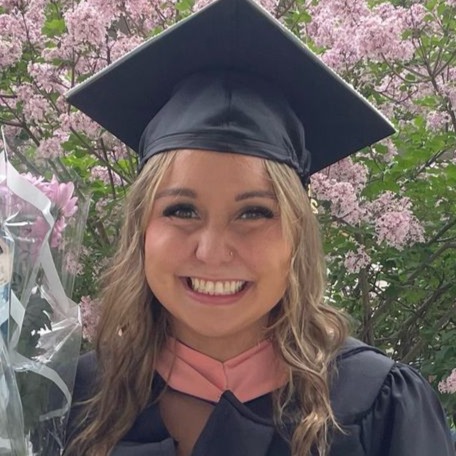 Nakia Abdelmeged
LaSalle School
Nakia Abdelmeged
LaSalle School
I began to work at LaSalle in January 2021. I have had a unique opportunity to work in various departments such as the school, outpatient clinic, and residential clinic. I recently graduated with my Master’s Degree in Social Work, and am eager to continue my career as a mental health therapist. |
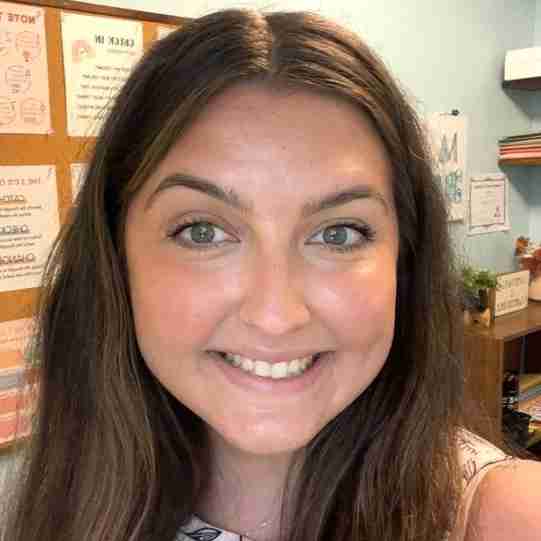 Brianna DeFelice, LMHC-D
LaSalle School
Brianna DeFelice, LMHC-D
LaSalle School
I began at LaSalle in May 2022 as an outpatient counseling intern. Upon receiving my Masters Degree I moved into the role of residential therapist and currently hold the position of Residential Clinic Coordinator. Prior to LaSalle, I worked in direct care at a local youth crisis unit, worked with youth on the Autism Spectrum, and interned at an outpatient organization providing treatment for adult sex offenders. I really enjoy fostering meaningful relationships with the youth I work with and supporting their needs.
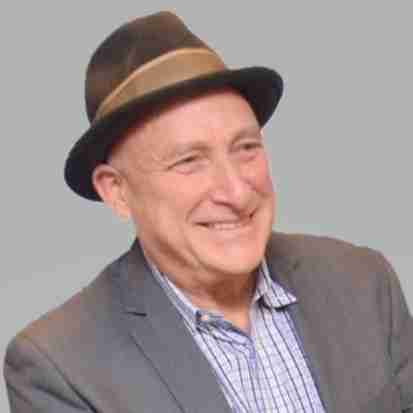 Guy Diamond, PhD
ABFT International Training Institute
Guy Diamond, PhD
ABFT International Training Institute
Guy Diamond Ph.D. is Professor Emeritus at the University of Pennsylvania School of Medicine and was Associate Professor at Drexel University in the College of Nursing and Health Profession until he retired in 2023. He has published over 150 peer reviewed papers and book chapters and been awarded, or part of, over 30 million dollars of grant funding to develop and disseminate family-based treatments and community wide suicide prevention. He has led the development and testing of attachment-based family therapy (ABFT) for 30 years, especially for youth struggling with depression, suicide, trauma and eating disorders. Dr. Diamond is now President of the ABFT International Training Institute which disseminates this model around the world. He has been awarded life time achievement awards for this work from APA and AAMFT.
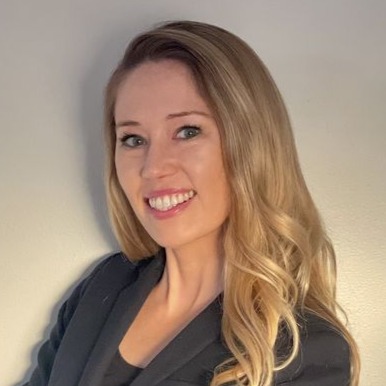 Meredith Dellorco, LCSW
Newport Healthcare
Meredith Dellorco, LCSW
Newport Healthcare
Meredith Dellorco, LCSW, is the National Director of the ABFT Training Program at Newport Healthcare. She facilitates ABFT Introductory and Advanced Trainings, and clinical group supervision to clinicians Nationally. She graduated from Columbia University with a master's in social work, including an advanced clinical practice with children, youth and families. She is trained in CBT, DBT, EMDR, motivational interviewing and TF-CBT. She has presented on ABFT through numerous webinars and training events. She recently published an article in the Family Process Journal on “Bolstering family therapy: Assimilating EMDR into ABFT in youth residential treatment”. Meredith has presented at a number of conferences, including NAMI (2025), ARC (2024), the Adolescent Mental Health Symposium of Dallas (2024) and ATTACh (2023).
Incandescent Leadership: Efforts to Shine Light on - and Heal - Abuses of Power in Our Organizations and Communities
This presentation explores “Incandescent Leadership”—a model for confronting harmful policies, practices, and abuses of power in residential healthcare. Drawing on examples from admired leaders, it highlights key principles and patterns that restore integrity, heal moral injury, and renew organizational spirit. Participants will gain actionable tools and inspiration to challenge injustice, strengthen teams, and lead with courage and clarity.
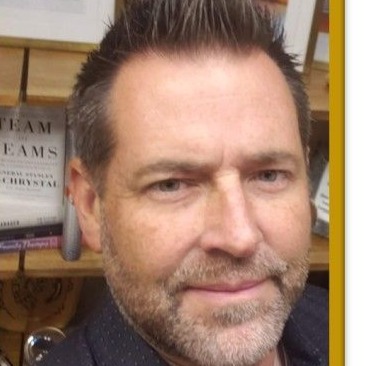 Dustin Tibbitts, LMFT
Embark Behavioral Health
Dustin Tibbitts, LMFT
Embark Behavioral Health
Dustin Tibbitts, LMFT, is the Co-Founder and Division CEO of a multi-state entity of Embark Behavioral Health. He creates and oversees outpatient and residential services for adolescents and young adults experiencing emotional or behavioral difficulties. Dustin has advocated for residential and outpatient treatment centers for 30 years. He is a practicing Marriage and Family Therapist. He is an ACRC Board Advisor and was awarded Fellowship in 2019. |
Transformational Journeys: The Practical Implications of Integrating the Neurosequential Model Within the Residential Milieu
Despite decades of research, many systems remain rooted in outdated beliefs. Hear how traditional assumptions hinder effective care and how transformational principles are needed to replace them. Presenters share how models such as the NMT, the Sanctuary Model, TBRI, and CARE have been integrated into residential settings to improve outcomes. Through collaborative lessons learned, we’ll discuss challenges, breakthroughs, and practical strategies for driving meaningful, sustainable change.
Children with complex trauma or neurodevelopmental disorders benefit from residential treatment within a therapeutic milieu that supports healing. NMT offers a developmentally informed framework for individualized care that enhances outcomes and reduces restraints. This study of NMT implementation highlights key strategies for integration into residential settings, offering insights for programs seeking to strengthen their treatment milieu and clarify their model of change.
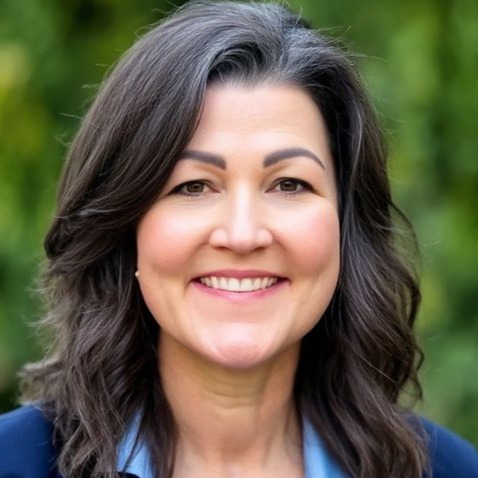 Michelle Maikoetter, MA, LCCA, NCC, LPC-S
Maverick Consulting, Training, and Advocacy PLLC
Michelle Maikoetter, MA, LCCA, NCC, LPC-S
Maverick Consulting, Training, and Advocacy PLLC
Michelle Maikoetter’s lifelong interest in helping others led her to become one of the foremost trauma-informed professional childcare specialists in the United States.
From 2007-2024, Ms. Maikoetter led in transforming Cal Farley’s Boys Ranch (a large residential facility in Texas) from a behavioral modification program into a trauma-informed, healing community.
Through training with Dr. Bruce Perry in his Neurosequential Model, Ms. Maikoetter became a certified clinician, trainer and mentor. She was among the first Child Trauma Academy Fellows selected by Dr. Perry in 2012 and led Boys Ranch to becoming a Phase II certified facility.
Ms. Maikoetter has also been a practitioner and mentor (2012-2020) of the Trust Based Relational Intervention (TBRI) model, receiving her training directly from founders Drs. Karyn Purvis and David Cross.
Since 2024, she has provided consultation, training and advocacy for a variety of organizations interested in becoming more trauma informed utilizing the Neurosequential, TBRI, and CARE models.
Her current interest is in developing a holistic approach using neuroscience, relational health, experiences and learning as a way to positively change not only each child's trajectory but generations to come. Ms Maikoetter believes our organizational systems and cultures must first transform in order for these outcomes to be achieved.
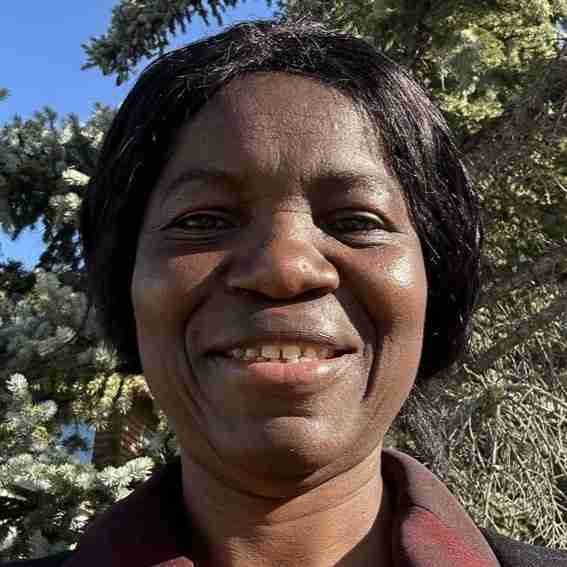 Helen Uche Okoye, PhD, M.Sc., B.Sc., RN
University of Calgary
Helen Uche Okoye, PhD, M.Sc., B.Sc., RN
University of Calgary
Helen Okoye is a Postdoctoral Associate at the University of Calgary Faculty of Social Work. She completed her Ph. D. program at the University of British Columbia School of Nursing. Her doctoral thesis focused on social determinants of young people’s health and well-being, particularly as it relates to socio-structural factors that predispose young people to behaviours that put them at health risk. Helen is passionate about transdisciplinary and community-based research, and intervention efforts that promote young people’s well-being. Helen is currently a postdoctoral Associate at Hull Services, a large Community Mental Health Services provider in Calgary, Alberta, Canada.
 Emily Wang, PhD, MA, M.Sc., B.Ed.
Hull Services
Emily Wang, PhD, MA, M.Sc., B.Ed.
Hull Services
Dr. Emily Wang has worked in the field of mental health for over 30 years, starting as a frontline worker at the Sonia Shankman Orthogenic School in Chicago, Illinois. Dr. Wang holds a Master of Science in Educational Psychology, a Master of Art and a Doctorate of Philosophy in Clinical Psychology. She was responsible for the provincial training of the Neurosequential Model (NM) concepts and implementation in Alberta from April 2017-October 2018. She currently works as a Senior Director of Clinical Advancement and Trauma-Informed Services at Hull Services. Dr. Wang is a Specialist in Infant-Parent Mental Health and an appointed Fellow of the Neurosequential Network, based in Texas.
More Than ‘Just’ a House: How the AGCI Residential Program in Colombia Gives Voice to Youth Aging Out of Care
“I was 22 before someone asked me what I like to eat for breakfast.” For many of Colombia’s 14,000 children in institutional care, this lack of voice is profound. Our organization launched the House of Hope to equip young women aging out of care with relational, emotional, and life skills. Centered on relational healing and independence, the model shows promising results—reducing trauma symptoms and increasing self-sufficiency—offering a replicable approach across Latin America.
 Andrea Leon, BA
All God's Children International - Colombia
Andrea Leon, BA
All God's Children International - Colombia
Andrea Leon serves as the Colombia Country Director for All God’s Children International. She brings 16+ years of experience working in the public sector, coordinating childhood development, human rights, social inclusion, and anti-poverty initiatives. She is a recognized trauma informed care specialist with a degree in psychology from the Universidad de la Sabana. She has studied international cooperation and project management from the Universidad Externado de Colombia and the School of International Affairs at Columbia University, NY.
Catalina - Current Resident
All God's Children International - Colombia
Catalina* is a resident of the AGCI House of Hope who will transition to independent living in November 2025. She is a gifted communicator and currently works for a multinational company handling regional communications for Latin America. She will graduate with her bachelor’s degree in Journalism in July 2025 from the Politécnico Grancolombiano University.
Calatina* has presented to the Colombian Institute of Family Welfare (ICBF), international workshops and peer groups on topics related to leadership, communications and personal lived experience growing up in the child welfare system of Colombia.
Hidden in Plain Sight: Identifying and Supporting Justice-Involved Youth with Brain Injury
This session explores how brain injury impacts youth in the juvenile justice system. Many justice-involved youth struggle with memory, emotional regulation, and executive functioning, often misinterpreted as defiance or laziness. Presenters will discuss the prevalence of brain injury, common signs and symptoms, and practical screening and support strategies. Participants will learn how early identification and community-based interventions reduce incarceration risk and promote rehabilitation over punishment for youth with brain injury.
 Peggy Reisher, MSW
Brain Injury Association of Nebraska
Peggy Reisher, MSW
Brain Injury Association of Nebraska
Peggy Reisher has a Master’s Degree in Social Work. She is the executive director of the Brain Injury Association of Nebraska (BIA-NE), whose organizational mission is to create a better future for all Nebraskans through brain injury prevention, education, advocacy, and support. Ms. Reisher has over 30 years of experience working and advocating for individuals with brain injury and their families across Nebraska. Ms. Reisher helped start the Brain Injury Association of Nebraska and currently serves on the Brain Injury Association of America’s board of directors. She has received local and national awards for her advocacy work. |
 Dennis Marks, JD
Sarpy County Public Defender's Office
Dennis Marks, JD
Sarpy County Public Defender's Office
Dennis Marks holds a Bachelor of Arts degree in English form Briar Cliff University and a Juris Doctorate degree from Creighton University of Law. He has been representing juveniles in adult, juvenile and appellate courts since Sept. 1996 as a Deputy Public Defender for Sarpy County, Nebraska. During this time, he has also been a member of numerous local, state, regional, and national boards, committees, subcommittees and task forces dedicated to juvenile justice. Mr. Marks represented the Sarpy County Public Defender Office in the creation of both the juvenile and adult drug treatment courts in Sarpy County. He has testified before the Nebraska Senate Judiciary Committee on numerous legislative bills involving criminal justice reform. Mr. Marks has been an Admiral in the Nebraska Navy since 2002. |
Open Doors: Advancing Youth Autonomy and Equity in Youth-Serving Systems
Open Doors is a California statewide training program that equips adults who work with youth to apply harm reduction, restorative justice, and cultural humility principles. Funded by HCAI and housed in the Catalyst Center, it strengthens youth-centered engagement through practical, relationship-based strategies. This session will overview the program’s development, share evaluation data showing improved confidence and equity-driven practices, and include an interactive demonstration highlighting how Open Doors fosters authentic, restorative, and justice-centered support for youth.
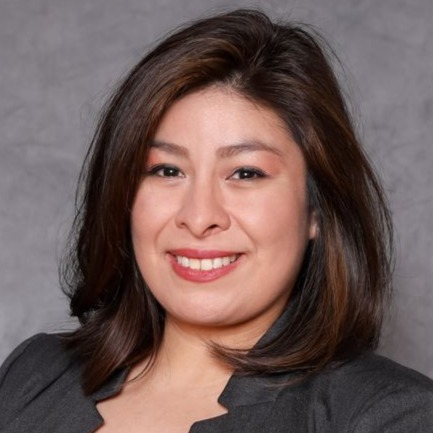 Ruby Hernandez, PhD
The Catalyst Center
Ruby Hernandez, PhD
The Catalyst Center
Ruby Hernandez, Ph.D., is a Senior Research Analyst at the California Alliance’s Catalyst Center with over ten years of experience in applied research and evaluation. She has experience working with educational, nonprofit, and government agencies to advance evidence-based change. Her work centers on amplifying the voices of disenfranchised and under-resourced communities.
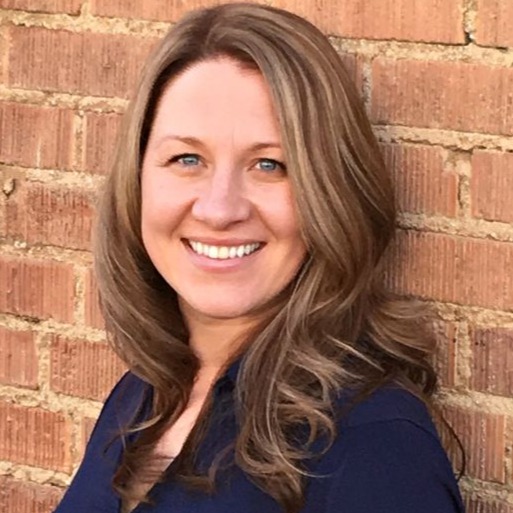 Tia Cochran-Otis, LCSW
The Catalyst Center
Tia Cochran-Otis, LCSW
The Catalyst Center
Tia Cochran-Otis, LCSW, has 20+ years of professional experience across inpatient, outpatient, forensic, and education settings. She leads the Open Doors project, champions Restorative Justice, and has advanced care for system-involved youth. Tia brings deep expertise in culturally responsive interventions, interdisciplinary collaboration, and social work education.
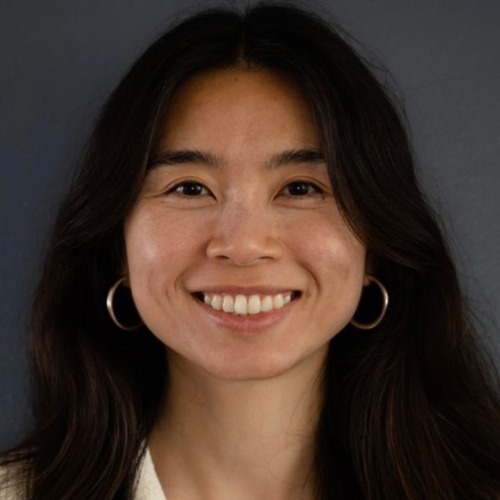 Christine Nguyen, M.A.
The Catalyst Center
Christine Nguyen, M.A.
The Catalyst Center
Christine Nguyen, M.A., is a research analyst with experience in community-based participatory research and program evaluation that aims to facilitate meaningful policy, environmental, and/or systems change at the local, regional, and state level. Her research contributions span across various community-informed and equity-related projects, such as those about culturally and linguistically relevant mental health interventions, substance use, youth organizing, and built environment. |
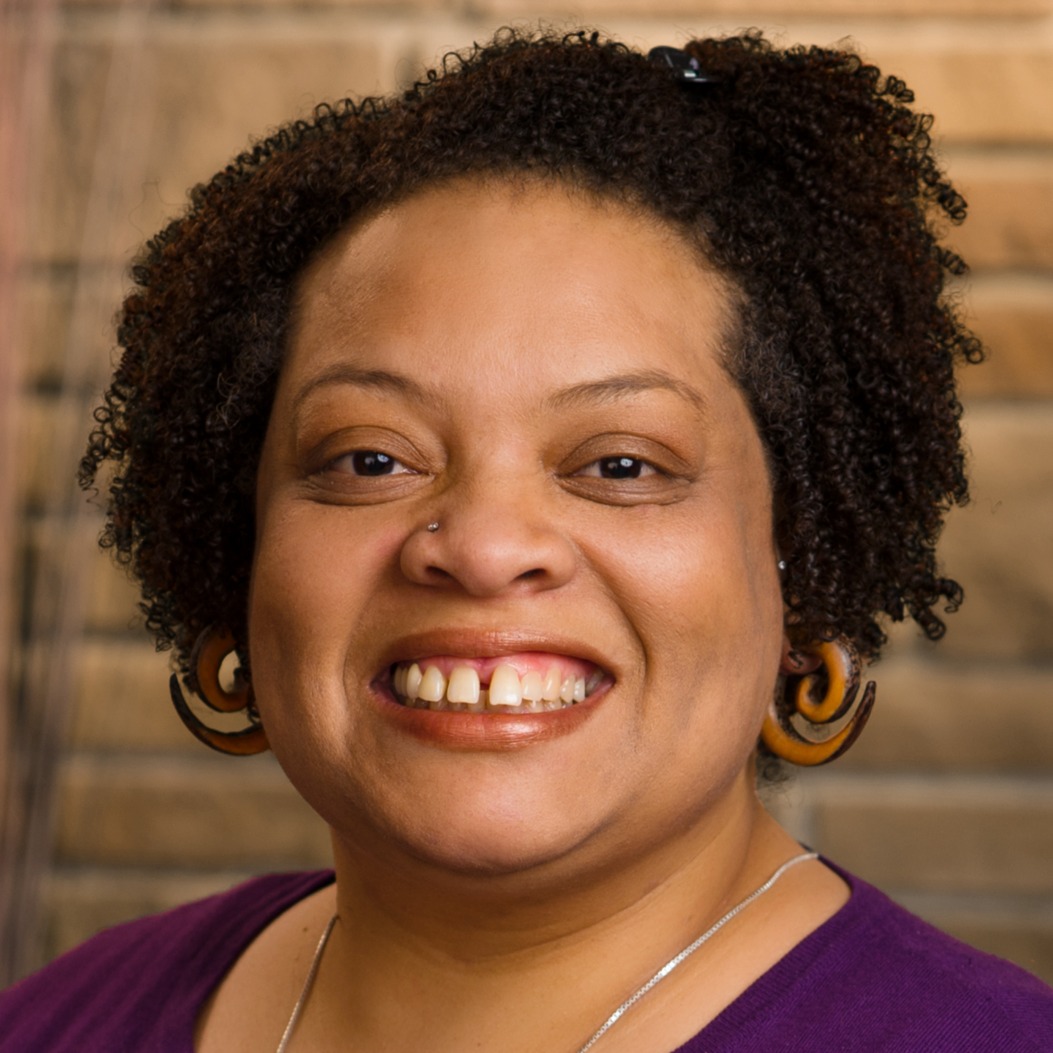 Crystal Blanton, LCSW
The Catalyst Center
Crystal Blanton, LCSW
The Catalyst Center
Crystal Blanton, LCSW, has over 25 years of experience in mental health and drug treatment, including community, school-based, and outpatient settings. She brings expertise in private practice and macro social work, emphasizing culturally responsive approaches to mental health and substance use treatment across diverse populations and settings.
Solving the Wicked Problem: Is Trauma-Informed Practice Dying?
Is trauma-informed practice dying? Despite strong evidence, trauma-informed care often remains fragmented and poorly aligned with developmental trauma’s realities. This presentation introduces the Arches Practice Framework and PACE Project—models embedding organisational congruence and trauma-transformative practice. By aligning leadership, supervision, and systems around shared accountability and coherence, we can evolve trauma-informed care into trauma-transformative systems that foster stability, relational healing, and sustainable cross-sector reform.
 Rebecca Cort, BA, GC
Arches Foundation
Rebecca Cort, BA, GC
Arches Foundation
Rebecca is a care-experienced advocate and Executive Leader in Research and Development, specialising in the integration of narrative and trauma-transformative practices into child protection, mental health, and organisational systems. She conducts research mobilising knowledge and innovation through implementation science, including current projects on the use of PACE to support the mental health of young people in out-of-home care, the Resilience Scale to strengthen protective factors for families in contact with child protection, and the application of narrative approaches to support frontline mental health.
Walking the Path Together: Strategies to Parent-Led Engagement
This presentation highlights the transformative power of family involvement in children’s mental health systems. Drawing from lived experience and work as a Certified Peer Support Specialist with Canopy Children’s Solutions, this presenter will share how true parent-led engagement—advocacy, collaboration, and peer support—improves outcomes. Through stories, case examples, and practical strategies, participants will learn how to empower parents as leaders, reduce stigma, and strengthen partnerships for lasting recovery and hope.
 Taylor Holland, CPSS
Canopy Children's Solutions
Taylor Holland, CPSS
Canopy Children's Solutions
Taylor Holland, CPSS, is a Family Partner at Canopy Children’s Solutions with over three years of experience. She is recognized for her dedication to advocating for families and children, earning a core value award for putting their voices first. Drawing from her personal journey with two children in residential mental health care, Taylor brings empathy and insight to her role. She is committed to supporting families through challenging times with compassion and understanding
Intact Family Recovery: A Cross-Sector Collaborative Initiative Linking Family Preservation and Substance Use Treatment Systems to Improve Child and Family Well-being
Parental substance use is a leading cause of foster care placement. The Illinois Collaboration on Youth (ICOY) created the Intact Family Recovery (IFR) program to keep families together by integrating substance use treatment into child welfare services. Through co-located recovery coaches, joint supervision, and cross-agency collaboration, IFR strengthens family stability, recovery, and child safety. This presentation shares implementation strategies, partnership lessons, and evaluation results showing reduced substance use, improved mental health, and increased family preservation.
 Andrea Durbin, A.M.
Illinois Collaboration on Youth
Andrea Durbin, A.M.
Illinois Collaboration on Youth
Andrea Durbin has been CEO of Illinois Collaboration on Youth (ICOY) since 2012. A passionate advocate for young people, she leads ICOY’s work as Illinois’ largest voice for services to children, youth, and families. Since 2017, Andrea has shepherded the Intact Family Recovery program funded by three successive federal Regional Partnership Grants, and is planning a Center of Excellence to support its replication. Andrea received the Social Impact Award from the Crown Family School of Social Work at the University of Chicago in 2019 and Chicago Business Journal named her a Woman of Influence in 2017. Andrea has a master’s degree in social service administration from the University of Chicago. |
 Randi Slack
Illinois Collaboration on Youth
Randi Slack
Illinois Collaboration on Youth
 Sue Pickett, PhD
Advocates for Human Potential
Sue Pickett, PhD
Advocates for Human Potential
Sue Pickett, Ph.D. is the Director of the Center for Research & Evaluation at Advocates for Human Potential, Inc. Dr. Pickett has served as the Evaluation Director for the Illinois Intact Family Recovery (IFR) Program Evaluation since 2017, overseeing the mixed methods evaluation for each of the three federally-funded IFR programs. Dr. Pickett has over 30 years of experience evaluating behavioral health programs for vulnerable populations.
Best Practices in AI Implementation
Successfully adopting AI in healthcare goes beyond selecting the right technology—it requires visionary leadership, a clear strategy, and strong change management. This session will explore what implementation science says about AI implementations and then a panel of experienced professionals who have done AI implementations will share their real world experience. Leaders will leave with practical steps to drive innovation and long-term success with AI in behavioral health.
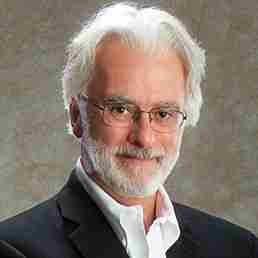 Dennis Morrison, PhD
Eleos Health
Dennis Morrison, PhD
Eleos Health
Dr. Dennis Morrison is the owner of Morrison Consulting which has provided consulting services to the behavioral health information technology field since 2017. He currently serves as Chief Clinical Officer for Eleos Health. Previously he has served as Chief Clinical Officer for Netsmart Technologies, CEO of Centerstone Research Institute (CRI) and CEO of Center for Behavioral Health (CBH).
Academically, Dr. Morrison holds two Masters degrees in Psychology and Exercise Physiology from Ball State University. His doctorate is in Counseling Psychology also from Ball State University. In 2022, Ball State awarded him the Distinguished Alumni Award, the highest award
given to an alum. He is a prolific author, frequent presenter (including a TEDx talk), podcast host and co-inventor on a patent for a behavioral healthcare outcomes software product. A Navy veteran, he is a licensed, instrument-rated private pilot and triathlete completing 23 triathlons
since turning 70.
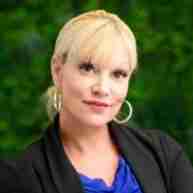 Gina Peck-Sobolewski, MA, LMFT
St. Anne's Family Services
Gina Peck-Sobolewski, MA, LMFT
St. Anne's Family Services
Gina Peck-Sobolewski is a seasoned behavioral health executive with over 20 years of experience spanning the full continuum of children’s welfare and mental health services. As Chief Program Officer at St. Anne’s Family Services in Los Angeles, she leads the development of innovative programs that integrate evidence-based practices and community partnerships to enhance high-quality early childhood education, behavioral health, and housing services. Ms. Peck-Sobolewski is also deeply engaged in advocacy efforts aimed at strengthening the child welfare system and expanding access to quality care. She has received national recognition for her work with commercially sexually exploited children (CSEC) and has developed widely used training curricula on trauma-informed care and CSEC prevention and treatment. She serves on the Executive Board of the Association of Children’s Residential and Community Services (ACRC) and as a Personnel Commissioner for the Monrovia Unified School District. In addition, she maintains a private practice in Southern California.
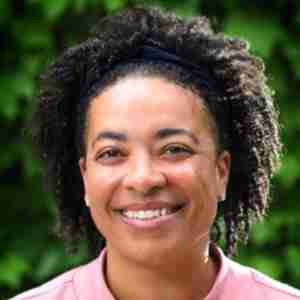 Correnda Perkins, LCSW
Hillsides
Correnda Perkins, LCSW
Hillsides
Correnda Perkins joined Hillsides in 2017. Currently, as Chief Program Officer, Correnda oversees the development and implementation of clinical programs across all divisions, including community-based services, residential programs, young adult support, and foster care and adoption.
Correnda is a Licensed Clinical Social Worker, certified in Parent-Child Interaction Therapy and Managing and Adapting Practices. She holds a master’s in social work from San Jose State University and a bachelor’s in sociology with a minor in Spanish from the University of Redlands.
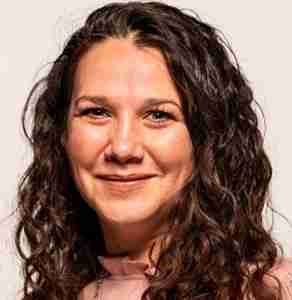 Mandi Wines, MS, LPC
The Barry Robinson Center
Mandi Wines, MS, LPC
The Barry Robinson Center
Mandi Wines is an experienced behavioral health leader with over 24 years of experience spanning the full continuum of mental health services. As Senior Vice President of Operations at The Barry Robinson Center in Virginia, she provides strategic leadership and operational oversight for residential programs serving military-connected adolescents with complex mental health needs. Mrs.Wines holds a Master of Science in Art therapy/ Counseling from Eastern Virginia Medical School and she is a Licensed Professional Counselor. She has extensive expertise in trauma-informed care, evidence-based therapies, and behavior therapy across diverse settings including residential treatment, in-home services, acute care and outpatient treatment. Throughout her career, she has demonstrated a commitment to innovation and quality improvement.
Healing by Design: Building Trauma-Responsive Spaces for Youth and Staff
This interactive workshop explores how trauma-informed design supports healing for youth and staff in residential care. Drawing from neuroscience, environmental psychology, and trauma-informed frameworks, participants will learn evidence-based design principles that promote safety, regulation, and resilience. Through practical tools and examples, we will demonstrate how thoughtful environments can reduce stress, prevent retraumatization, and enhance well-being, transforming care settings into active partners in recovery and organizational sustainability.
 Courtney Rovere, PhD, LCSW-C
Children's Home of Poughkeepsie
Courtney Rovere, PhD, LCSW-C
Children's Home of Poughkeepsie
Courtney E. Rovere, PhD, MSW, LCSW(NY), LICSW(MA) is a practicing social worker with over a decade of experience in the field. She currently works as the Assistant Executive Director for Clinical Program Development at Children’s Home of Poughkeepsie and as Part-Time Faculty at Marist University, both in Poughkeepsie, NY. Along with her expertise in child welfare and children’s behavioral health, Courtney has worked in community mental health, mobile crisis and in diverse medical and mental healthcare settings. Courtney has experience teaching at the bachelor and master levels where she has taught courses in child and adolescent assessment and diagnosis, social policy and social work with communities and organizations, social work research, and introduction to sociology. Courtney’s scholarly research focuses on workforce stress and well-being, specifically secondary traumatic stress, vicarious trauma, and burnout. Within this area, her interests look closely at the lived experiences of women. Her aim is to better understand the experiences of the workforce related to turnover and retention. This includes elevating the voices of women at the organizational level to reduce burnout and turnover in child welfare and similar professional groups.
Effective Supervision of Direct Care Staff in the Mental Health Field
This training equips supervisors in California STRTP (short term residential treatment) programs with best practices for guiding direct care staff who support youth with complex needs. Participants will learn strategies to enhance communication, set clear expectations, and uphold ethical standards while fostering safety and emotional well-being. Emphasizing trauma-informed supervision, the training covers de-escalation, conflict resolution, burnout prevention, and professional development to strengthen team dynamics and improve outcomes for youth in care.
 Kevin King, MA, Ed
Empire Training and Consultation
Kevin King, MA, Ed
Empire Training and Consultation
Kevin King earned a master’s degree in education from Concordia University and has been with Seneca Family of Agencies since 2000 and currently serves in the Seneca Institute of Advanced Practice as A Training Content and Delivery Director. Within this role, he is responsible for overseeing the curriculum development for the (STRTP) Provider Training Academy as well as the forty-hour Initial Certification Training Program for the Short Term Residential Therapeutic Program Certification team, the twelve-hour transition certification and ongoing Continuing Education classes and programs for Group Homes, Educational Staff and Social Work staff. Previously, Mr. King served as Program Director for Seneca’s Concord Community Treatment Facility, San Francisco Community Treatment Facility, Willow Rock Center Stabilization Unit, The James Baldwin Academy non-public school, and as the principal of a large elementary school in East Oakland.
March 17, 2026 03:30 pm
Workshop Session B
1 Workshop from Session B will be recorded and live streamed.
Creating Conditions for Change - How to Build and Sustain a Trauma-Informed Residential Culture Through the Implementation of an Evidenced-Based Program Model
This workshop explores how St. Vincent’s Villa, in partnership with Cornell University’s Residential Child Care Project, transformed its culture using the CARE (Children and Residential Experiences) model. Through evidence-based practice, reflective supervision, and staff-family collaboration, the program reduced restraints, improved staff retention, and enhanced trauma-informed care. Presenters will share lessons, data, and strategies for creating sustainable culture change that helps both youth and staff thrive in residential treatment settings.
 Ezra Buchdahl, LCSW-C
Catholic Charities of Maryland
Ezra Buchdahl, LCSW-C
Catholic Charities of Maryland
Ezra Buchdahl, MSW/LCSW-C and Certified Residential Child Care Program Administrator, is a 1988 graduate from the University of Maryland School of Social Work. He has held various clinical and administrative positions in Catholic Charities’ Family Services and Senior Services divisions since 1988. He has served as the Administrator for St. Vincent’s Villa and Villa Maria School since 2011. Currently Mr. Buchdahl directs and administers all residential and school programs as well as the administrative and operations functions that support those programs. He provides direct supervision to the Residential and School Leadership Team in personnel management, program and strategic planning, and budget development. He also serves as the primary handler for a rehabilitative facility dog, Carmen. He serves on a number of State-wide coalitions, committees and work groups to advocate for and improve the system of care for children and families.
 Melissa Hamberg, LCPC
Catholic Charities of Maryland
Melissa Hamberg, LCPC
Catholic Charities of Maryland
Melissa Hamberg, LCPC, NCC, is the Therapeutic and Wellness Manager for Villa Maria School and St. Vincent’s Villa. Melissa has worked in the mental health field for 25+ years in various settings, including residential treatment, special education and public schools, college counseling centers, outpatient clinics, and in-patient hospitals. She has worked as a clinician, direct care worker, and supervisor in these settings. Melissa uses a trauma informed care approach in her work with clients and staff and specializes in working with youth and families. She is also a certified Therapeutic Crisis Intervention (TCI) trainer and a Children and Residential Experiences (CARE) educator.
 Martha J. Holden, M.S.
Cornell University
Martha J. Holden, M.S.
Cornell University
Martha J. Holden is a Senior Extension Associate with the Bronfenbrenner Center for Translational Research and Director of the Residential Child Care Project at Cornell University. Martha is the author of the book, Children and Residential Experiences (CARE): Creating Conditions for Change and lead developer of the Therapeutic Crisis Intervention System.
Enhancing Primary Prevention in Philadelphia: Expanded Support Line, Prioritized Services, and Connections to Tangible Resources
Philadelphia’s Department of Human Services is pioneering Family Support through Primary Prevention (FSPP) to address racial disproportionality in child welfare involvement. Through cross-sector partnerships, community referrals, and family co-design, initiatives like Philly Families CAN connect families to resources without triggering formal involvement. Guided by lived experience and trauma-informed practices, FSPP shifts from punitive reporting to collaborative support. Early results show housing and utility assistance significantly reduce poverty-related child welfare reports and prevent unnecessary system involvement.
 Breuana Pinckney, LSW
Philadelphia Department of Human Services
Breuana Pinckney, LSW
Philadelphia Department of Human Services
Breuana Pinckney, a Licensed Social Worker (LSW), is a dedicated professional serving as the Impact and Evaluation Manager with the Department of Human Services (DHS), Division of Performance Management and Technology (PMT) in Philadelphia. Drawing upon her extensive expertise and qualifications, Breuana plays a pivotal role in assessing and enhancing the effectiveness of programs aimed at supporting vulnerable populations. Breuana obtained her Master’s Degree in Social Work from Rutgers University, specializing in Violence Against Women and Children (VAWC). Breuana served as a Project Manager for DHS Division of Policy Development and System Enhancements (PDSE) where she contributed her strategic insights to drive systemic improvements and foster positive outcomes for communities. Committed to continuous learning and professional growth, Breuana remains at the forefront of best practice and innovation in the field of social work. Her unwavering passion for serving others, coupled with her proven track record of success, underscores her invaluable contributions to the field and her unwavering commitment to effecting positive change in the lives of those she serves.
 Ellen Davis, MSW
Philadelphia Department of Public Health
Ellen Davis, MSW
Philadelphia Department of Public Health
Ellen Davis, MSW, is the Philly Families CAN Manager at the Philadelphia Department of Public Health, Division of Maternal, Child and Family Health. She obtained her Master’s in Social Work from Temple University. Working in public health for over nine years, she has experience working in both project implementation and public health research. In her current role, Ellen manages the operations of Philly Families CAN, a centralized intake and referral system for home visiting programs. Families and referring providers can learn more about Philly Families CAN by visiting PhillyFamiliesCAN.com.
 Nafesa Edgerson, MS, HS-BCP
Philadelphia Department of Human Services
Nafesa Edgerson, MS, HS-BCP
Philadelphia Department of Human Services
Nafesa is a Human Services-Board Certified Practitioner with over 26 ½ years of experience in child welfare, behavioral health, and human services. She began her role as a Community Resource Specialist with Philadelphia’s Office of Children & Families (OCF) in August 2023 under the Prevention Department. Since May 2025, has transitioned into the Performance Management & Technology Department in the Implementation Science Division. Nafesa’s portfolio includes specializations in program compliance, supervision, and permanency planning, with expertise in qualitative evaluation interviews, case management, documentation, and cross-system collaboration to ensure families receive timely and effective support. She is a graduate of Springfield College School of Human Services with a Bachelor’s in Human Services (Magna Cum Laude) in 2004 and Capella University, where she earned a Master of Science in Human Services with a specialization in Counseling Studies in 2009. Recognized for her leadership, she brings extensive experience in supervising diverse teams, maintaining compliance with DHS and state regulations, and fostering collaborative, growth-oriented work environments. Dedicated to service, Nafesa is also active in community organizations, including Zeta Phi Beta Sorority, Inc., reflecting her lifelong commitment to empowering families and strengthening community support systems.
Beyond Burnout: Building Staff Resilience and Competency for Improved Performance and Outcomes
Procedural drift often results from inadequate training or low motivation. This presentation reviews fidelity measures using the Behavioral Skills Training (BST) model in a psychiatric residential treatment facility for youth with intellectual and developmental disabilities. Learn how, by combining performance observations with feedback, staff improved fidelity, increased retention, reduced burnout, and enhanced youth outcomes. Sustained, data-informed feedback fostered staff confidence, reduced unsafe behaviors, and supported effective implementation of Positive Behavior Support, creating safer, more supportive care environments.
Grounded in polyvagal theory, this training explores the occupational hazards of child welfare and guides participants in creating personal nervous system maps and regulation strategies. Emphasizing both individual and community care, we’ll examine equity, resilience, and organizational culture. Leaders will leave with practical tools, renewed insight, and strategies to sustain themselves and their teams, and the skills to build healthier, more just systems.
 Chris Delap, BCBA, LBA, LMLP, AS
Lakemary Center
Chris Delap, BCBA, LBA, LMLP, AS
Lakemary Center
Chris Delap is the Senior Director of Behavioral Services at Lakemary Center Psychiatric Residential Treatment Facility (PRTF) in Paola, KS. He is a Board-Certified Behavior Analyst (BCBA) and Licensed Master Level Psychologist (LMLP), working with children and adults with intellectual disabilities, autism spectrum disorder, and various other developmental disabilities for the past 15 years. He oversees the Positive Behavior Interventions and Supports (PBIS) model for the residential and school programs for Lakemary Center children’s services. He specializes in Organizational Behavioral Management (OBM) and has developed and overseen multiple systems and programs focusing on program integrity, procedural fidelity, client outcomes, staff retention, staff development, leadership, and organizational strategic planning. His focus in research is bridging the gap between evidence-based practices and applied systems within behavioral support services through competency-based models.
Melissa Potchad, BCBA, LBA
Lakemary Center
Melissa Potchad earned her B.A. degrees in Psychology and Sociology at the University of Wisconsin-Milwaukee in 2008 where she first learned about Applied Behavior Analysis. Determined to learn more about the field, she earned her M.A. in Applied Behavior Analysis at The Chicago School of Professional Psychology in 2011. After Graduate School, Melissa obtained her certification as a Board-Certified Behavior Analyst and began her evolving practice of ABA. Melissa embraced assent-based learning with a focus in Verbal Behavior and found reinforcement in staff development and training. At present, Melissa serves as a Residential Behavior Analyst at Lake Mary Center in Paola, Kansas. She utilizes her skill set in training and developing curricula for staff seeking RBT certification. She also assists with overseeing the implementation of Positive Behavior Interventions and Supports (PBIS) practices across the campus as part of a multi-disciplinary team.
 Lia Bresciani, LCSW
Seneca Family of Agencies
Lia Bresciani, LCSW
Seneca Family of Agencies
Lia Bresciani, LCSW, has over 17 years of experience in child welfare and nonprofit mental health, serving in both program and training leadership roles. She has directed statewide training initiatives, overseen residential and community-based programs, and specializes in trauma-informed and equity-focused practices. After facing a cancer diagnosis before age 40, Lia deepened her commitment to exploring how we “heal the healers” in high-stress systems. She now integrates neuroscience, polyvagal theory, and lived experience to support sustainable leadership and organizational wellness. |
Cultivating Brave Spaces: Building Organizational Cultures Where Leaders of Color Can Thrive
This interactive workshop explores evidence-based strategies for creating organizational cultures that actively support the advancement, authentic expression, and leadership of BIPOC professionals. Drawing from the Leaders of Color Project's research and the lived experiences of its members, this presentation offers concrete frameworks for moving beyond surface-level diversity initiatives to build genuinely inclusive environments where leaders of color can flourish.
 Latesha Fussell, PhD Candidate
Hillside
Latesha Fussell, PhD Candidate
Hillside
Latesha Fussell brings extensive facilitation expertise as a nationally recognized presenter who has delivered transformative workshops on anti-racism, microaggressions, and cultural humility to diverse audiences across the United States. Drawing from over a decade of experience in higher education and organizational development, her presentation approach centers liberation and healing while challenging participants to examine and dismantle systemic inequities. Through her leadership roles at Cornell University, Stonehill College, and currently at Hillside Family of Agencies, she has designed and facilitated professional development sessions for faculty, staff, students, and community partners on topics including trauma-informed care, cultural competency, retention strategies for marginalized communities, and creating inclusive organizational cultures. Her facilitation methodology integrates critical pedagogy with experiential learning, creating brave spaces where participants can engage in authentic dialogue, self-reflection, and collective problem-solving. As both a practitioner and scholar pursuing her Ph.D. in Higher Education, Latesha brings research-informed frameworks combined with lived experience to deliver presentations that are intellectually rigorous, emotionally resonant, and actionable. Her sessions consistently receive recognition for their ability to move individuals and organizations from awareness to sustained action in their equity and justice work. |
Larome Myrick, PhD
Dept. of Children, Youth and Families: Division of Youth Development
Dr. Larome Myrick is a highly accomplished professional in the field of criminal justice, who served as the Executive Director of Juvenile Justice for the State of Rhode Island from May 2018 to present. With an extensive educational background and a wealth of experience, Dr. Myrick has made significant contributions to the field throughout his career. Dr. Myrick obtained his undergraduate degree in Healthcare Administration from the esteemed University of Toledo in 2003. Recognizing the importance of continued education, he pursued a master's degree in Organizational Leadership from Lourdes University in 2009. Driven by a thirst for knowledge and a desire to make a lasting impact, he went on to complete his PhD in Criminal Justice.
Grief-Informed Care: Supporting Youth and Professionals Through Loss and Healing
Grief doesn’t pause for work. Whether from personal or collective loss, employees often carry invisible burdens that affect performance and culture. This presentation examines grief’s impact in the workplace and offers strategies for grief-informed leadership. Through real-world examples and inclusive dialogue, participants will learn how to foster empathy, flexibility, and support—creating workplaces where people feel seen, valued, and safe to heal while maintaining connection and productivity.
Youth in residential and community-based care often experience profound, cumulative losses—from family separation to cultural disconnection—that shape their behavior and well-being. Traditional approaches overlook grief, focusing instead on symptom control. This presentation introduces a grief-informed framework that centers loss as key to understanding and healing. Integrating research and lived experience, it highlights how unrecognized grief often appears as other symptoms, leading to misdiagnosis and missed opportunities for meaningful recovery.
 Emily Hagan, MSW, LICSW
Nexus-Gerard Family Healing
Emily Hagan, MSW, LICSW
Nexus-Gerard Family Healing
Emily Hagan, MSW, LICSW is a Clinical Supervisor at Nexus-Gerard Family Healing in Austin, Minnesota. She began her journey there in 2015 as a direct care staff member and returned after earning her MSW from the University of St. Thomas/St. Catherine University. Emily has served in various roles—from intern to therapist to supervisor—always guided by compassion and a deep belief in the power of healing relationships. She is passionate about creating spaces where both staff and clients feel seen, supported, and empowered.
Tekoah Boatner, HS-BCP, CNP, PMP
Youth Oasis
Tekoah's an experienced nonprofit executive and consultant with a gift for stabilizing organizations through culture-based program design that incorporates the lived experience of their consumers. A Southern girl with midwestern roots, she's all about turning ideas into real-world business strategies. She is a board-certified human services specialist, certified nonprofit professional and project management professional. Tekoah loves solving complex problems of the human variety and blending policy smarts with people skills. She is a regular presenter at local association meetings, business groups, and other Human Service organizations. She excels in developing culture-based models that are flexible, scalable, and responsive, and regularly trains on topics such as adverse childhood and community experiences, youth homelessness, child welfare service provision, youth services, organizational capacity building, and program development. In any demanding setting, Tekoah thrives on the opportunity to share her knowledge and make a meaningful impact.
Outside work, Tekoah's a mom and loves technology and philosophy. She is all about human rights and connecting with folks to have engaging conversations. Living in Louisiana, she's a traveler at heart and always looking for a new adventure.
Children on the Move: Best Practices Learned from Serving Unaccompanied Migrant Children
This session explores the care of Unaccompanied Children (UC) under the Office of Refugee Resettlement (ORR), which oversees their custody and placement per federal law. Presenters from the Community Development Institute and ACRC’s CNECT Network will share best practices in trauma-informed care, legal advocacy, education, and family reunification. Participants will learn about culturally responsive approaches, community partnerships, and innovative models that promote healing, dignity, and integration for children entering the U.S. alone.
 Nila Rinehart, Ed.M.
Community Development Institute
Nila Rinehart, Ed.M.
Community Development Institute
Nila Rinehart is a seasoned national leader in early childhood education, with over 40 years of experience in Head Start and child care programs across all levels of responsibility. Her career began as a Head Start child and evolved into decades of leadership, including directing a nationally recognized program and supporting the federal American Indian/Alaska Native Regional Office. Nila has recently contributed to the development of CDI’s Caring Network for Every Child to Thrive, supporting unaccompanied children in the U.S. She holds degrees from Stanford and Harvard and continues to champion equitable and quality services for young children and families.
 Kathi Boyer Edwards, MAEd
Community Development Institute
Kathi Boyer Edwards, MAEd
Community Development Institute
Kathi Boyer-Edwards is a Senior Project Manager with over 30 years of experience in early childhood program design, administration, and compliance. She began her career directing Head Start programs in a large urban nonprofit, later founding her own consulting business to guide grantees through federal compliance and program improvement. At CDI, she has led interim programs nationwide, supported successful federal-to-local transitions, and built systems that empower staff and strengthen community partnerships. Kathi’s expertise spans program development, facilities renovation, and staff training, with a proven record of fostering collaborative solutions that protect resources and expand services for children and families. In her current role, she leads initiatives that connect child welfare providers and advance best practices in shelter care environments.
 Annie Taccolini Panaggio
Endeavors
Annie Taccolini Panaggio
Endeavors
Annie Taccolini Panaggio has a decade of experience working with immigrant youth, including work with the US unaccompanied refugee minors’ program and unaccompanied children’s program to shelter children transitioning to life in the US. She specializes in shelter operations and leadership, and especially enjoys any opportunity to talk about social policy and its human impact. When she’s not working and advocating, Annie spends her time riding bikes and reading books with her three young children and her husband, Stephen.
 Damaris Ramsingh, MSW
Rising Ground Inc.
Damaris Ramsingh, MSW
Rising Ground Inc.
Damaris is a seasoned Social Worker with over 10 years of experience in the field. She holds an undergraduate degree in Behavioral Science from Mercy College and a Master’s degree in Clinical Social Work from Fordham University. Currently, Damaris serves as the Senior Director of Therapeutic Services and Foster Care Services for the Unaccompanied Children Program at Rising Ground in New York.
Throughout her career, Damaris has been deeply committed to supporting immigrant families and youth and has been instrumental in developing therapeutic modalities and programs that address the unique behavioral and mental health needs of this population. She is a trained facilitator in racial trauma curricula, providing education and guidance that help teams understand, identify, and respond to the multifaceted impacts of racialized experiences on youth and families.
Damaris is also knowledgeable in the Sanctuary Model, an organizational trauma-informed framework, and integrates its principles into her leadership approach—promoting safety, emotional intelligence, open communication, and a culture of healing across programs.
Her work weaves together trauma-informed care, racial and cultural responsiveness, and holistic healing, ensuring that individuals and families receive the support and resources they need to thrive in challenging circumstances. Damaris’ passion for social work, combined with her dedication to improving the lives of vulnerable children and families, continues to shape the programs she leads and the communities she serves.
Jennyfer Garcia, LMHC
Rising Ground Inc.
I am a Licensed Mental Health Counselor with over a decade of experience in the mental health and human services field, including eight years in supervisory and leadership roles. My career has centered on trauma-focused counseling, immigrant family systems, and community education, with a commitment to serving the Latino community through culturally responsive and trauma-informed care. Alongside direct service and program leadership, I have focused on community work, providing psychoeducation on trauma and related topics to help individuals and families better understand mental health and access support. I currently serve as Program Director of Rising Ground’s From Hope to Home – Home Study & Post-Release Services program, where I oversee national service delivery for unaccompanied children and sponsors. My leadership focuses on aligning practice with federal policy, strengthening compliance systems, and expanding access to resources that promote the stabilization of families.
 Abbi Garcia, LMFT
Vista Del Mar
Abbi Garcia, LMFT
Vista Del Mar
Abbi is a seasoned professional with over 15 years of experience in social services. She has dedicated her career to providing therapeutic services and support to underrepresented communities, working with diverse groups to address their unique needs and challenges. Her expertise spans a range of therapeutic practices, making her a trusted resource for those seeking guidance and assistance in navigating life's difficulties. Abbi works to reunify migrant youth as a program director at a Los Angeles non-profit.
Parenting, Pregnancy, and Exploitation: Supporting Expecting and Parenting Youth in Residential Treatment with Histories of Commercial Sexual Exploitation
Pregnant teens who are survivors of CSEC face severe medical, psychological, and social risks compounded by stigma and provider bias. Many experience isolation and limited access to care or support. Including fathers and family systems in treatment can strengthen protective factors and promote healing. This session highlights the urgent need for trauma-informed, survivor-centered, and family-inclusive approaches to prevention, intervention, and policy—addressing root causes and building pathways to recovery and resilience.
 Marianna Oganesyan, MA
St. Anne's Family Services
Marianna Oganesyan, MA
St. Anne's Family Services
With a background in Clinical Psychology and over 18 years of experience, Marianna’s career expands over several sectors of Behavioral Health and Social Services including Full-Service Partnership, Prevention and Early Intervention, Wraparound Approach Services, Children’s Residential Care, Transitional Housing Services, Permanent Supportive Housing, and Workforce Development. Marianna has also served as a panelist for the Association of Children’s Residential Centers and Community Services (ACRC) International Direct Care Summit. Marianna has extensive experience working with children in residential care. Marianna is a Licensed Marriage and Family Therapist, and certified LPS Designee for Los Angeles County. She is passionate about empowering program leaders to provide high quality care and setting up program participants to succeed no matter the barriers.
 Daisy Delgado, MS
St. Anne's Family Services
Daisy Delgado, MS
St. Anne's Family Services
 Veronica Nande, MA
St. Anne's Family Services
Veronica Nande, MA
St. Anne's Family Services
Veronica Nand is the Assistant Director at St. Anne’s, where she has dedicated nearly a decade to serving both community-based and STRTP clients. She holds a Master of Social Work (MSW) from the University of Southern California and brings a deep commitment to supporting vulnerable populations through trauma-informed care and leadership. In addition to her administrative responsibilities, she is also a certified Risking Connection (RC) trainer, helping to build trauma-informed, practices across the organization and strengthen staff capacity to support clients with compassion and emotional safety.
Lessons Learned from Youth about Preventing Running Behaviors and Revictimizaiton
This session explores four survivor-identified “Building Blocks” of healing: Safety, Relationships, Voice & Choice/Empowerment, and Hope. Developed by NCMEC’s Survivor Expert Working Group, these components guide effective engagement with youth in placement. Through practical strategies, survivor insights, and interactive activities, participants will learn to operationalize these principles, strengthen relationships, and enhance cross-sector collaboration to prevent running behavior and revictimization among trafficked youth.
This session, will share insights from foster care alums and formerly trafficked youth on why young people go missing and how to prevent it. Featuring NCMEC data and emerging cross-system practices, presenters will highlight youth-driven strategies, policy shifts, and collaborations that reduce repeat missing episodes, prevent victimization, and improve outcomes through lived experience, current trends, and tangible success stories from across the country.
 Stacy Schultz, MA
National Center for Missing and Exploited Children
Stacy Schultz, MA
National Center for Missing and Exploited Children
Stacy Schultz, MA works as a Senior Resource Specialist with the National Center for Missing and Exploited Children’s (NCMEC) Child Sex Trafficking Recovery Services Team. As a Resource Specialist, Stacy provides case-based assistance and support to child welfare professionals and other multidisciplinary team members in the development of trauma-informed and victim-centered recovery plans for survivors of child sex trafficking who are reported missing from child welfare care to NCMEC. Stacy holds a MA in Conflict Transformation and Social Justice from Queens University Belfast, UK (2017) and a BA in Fine Arts with a minor in Psychology from St. Cloud State University, MN (2007). In addition to her tenure in youth work, Stacy is also a certified conflict mediator and works as a freelance theatre artist in her spare time.
 Kim Parks-Bourn, LCSW-C
National Center for Missing and Exploited Children
Kim Parks-Bourn, LCSW-C
National Center for Missing and Exploited Children
Kim Parks-Bourn is the Program Manager for Children Missing from Care at the National Center for Missing and Exploited Children. She is responsible for working with all 50 states to implement federal policy requiring child welfare to report missing children and youth to NCMEC. Her work entails identifying and problem-solving cross-system pain points to improve serving children missing from care. She joined NCMEC in July, 2023 and brings with her over 28 years of experience as a frontline social worker, clinician, trainer, clinical supervisor as well as an administrator in the child welfare and mental health systems in the State of Maryland. Kim has served numerous children, adolescents, and families throughout her career ranging in these capacities. She also has experience in developing and monitoring legislation as well as assessing needs and strategic planning. Prior to joining the NCMEC team in 2023, she was most recently the Deputy Executive Director for Permanency and Placement Services with the Maryland Department of Human Services, Social Services Administration in Baltimore, MD.
Erin Flood, LCSW
LaSalle School
Erin Flood began working for LaSalle in June 2020, learning to navigate a new position during the depths of the pandemic. Prior to joining LaSalle she held positions as a direct care staff; case manager; and therapist in both residential treatment and outpatient care. She has a passion for residential care and the change it can make with children and their families. At LaSalle she is a member of our Therapeutic Crisis Intervention training team and has developed other trainings for staff on best practices with youth and families and most recently presented at ACRC about youth running from out of home placements.
It Starts With Us: Rethinking Service Interventions for Youth with Unmet Complex Needs
Working with youth in residential care who have experienced significant trauma and present with aggression and complex mental health needs challenges even the most skilled staff. Traditional approaches often fail to meet their developmental and emotional needs, leading to burnout and placement disruptions. This presentation invites providers to critically reexamine current practices and adopt approaches centered on safety, connection, and regulation—creating environments where even the highest-acuity youth can begin to heal.
Families grow through the stories they tell—narratives shaping identity, resilience, and connection. When dominated by trauma or disconnection, these stories can limit growth. This workshop explores co-creating new, culturally grounded family narratives through expressive arts, attachment-based, and sensory interventions. Drawing on narrative, attachment, and family systems theory, participants will learn practical tools to guide families in reconstructing adaptive, strength-based stories that honor heritage, foster belonging, and promote healing, cohesion, and resilience across diverse cultural contexts.
 Paula Minske, LMFT
Nexus Family Healing
Paula Minske, LMFT
Nexus Family Healing
Paula Minske, MS, LMFT is the Chief Clinical Officer for Nexus Family Healing. She has over 30 years of experience in working in the mental health field specifically with children and families. Paula has worked in residential settings, therapeutic foster care, child protection and in child and adult mental health. She earned her Master’s degree at St. Cloud State University and is a Licensed Marriage and Family Therapist. She is a board approved supervisor for the Minnesota Board of Marriage and Family Therapy and the Minnesota Board of Behavioral Health and Therapy. She is certified in Dialectical Behavior Therapy (DBT) and Trauma Focused Cognitive Behavior Therapy (TF CBT).
 Elizabeth Williams, LMFT
Nexus Family Healing
Elizabeth Williams, LMFT
Nexus Family Healing
Elizabeth Williams, LMFT is a passionate mental health leader and licensed marriage and family therapist with over 15 years of experience helping individuals, families, and organizations thrive. Known for her strategic mindset and heart-centered leadership, Elizabeth has guided clinical teams across multiple states, developed innovative programs, and championed trauma-informed care practices. Whether she’s mentoring future clinicians, collaborating with community partners, or shaping policy, Elizabeth brings clarity, compassion, and a deep commitment to improving lives. She believes in the power of relationships, data-informed decisions, and creating systems that truly support healing and growth
 Meg Dygert, BS, BA
American Public Human Services Association
Meg Dygert, BS, BA
American Public Human Services Association
Meg Dygert is a Senior Policy Associate for Child & Family Well-Being at the American Public Human Services Association (APHSA). In this role, she manages and acts as the liaison for APHSA’s affinity group, the National Association of Public Child Welfare Administrators (NAPCWA). Meg also supports the work of the National Association of State Child Care Administrators (NASCCA) – an APHSA affinity group she has directly supervised for several years.
Meg’s lived experience with New York State’s child welfare system informs every aspect of her professional career. It drives her policy work and her efforts to narrow the door to child welfare by getting every family the support they need to achieve stability, health, and their full human potential. She’s dedicated to prevention and is a subject matter expert in the Family First Prevention Services Act (FFPSA), as well as in leveraging federal funding streams to expand state-led prevention programs.
Working directly with affinity groups to expand APHSA’s child welfare/prevention portfolio, Meg develops and advocates for pragmatic policy, regulatory, and administrative solutions for improving child welfare and child care programs – always with the goal of supporting the success of families across the country.
Before joining APHSA, Meg worked for Manatt Health Strategies, specializing in state and federal health legislation, regulation, and sub-regulatory guidance. Prior to that, she worked as a paralegal with a focus on Social Security Law and connecting children and their families to Supplemental Security Income when behavioral and mental health challenges arise. She also interned at the United States Supreme Court for the Clerk of the Court, Scott S. Harris.
Meg holds a B.A. in Communications specializing in Rhetoric and a B.S. in Political Science and Legal Studies from the State University of New York at Brockport |
Intentionally Cultivating Excellence: Children and Families Deserve More than ‘Just Good Enough’
In today’s challenging landscape of staffing shortages, budget cuts, and increased accountability, leaders must go beyond “good enough” to intentionally cultivate excellence. This workshop explores how consistent habits, positive culture, constructive confrontation, and courageous leadership drive organizational excellence. Participants will engage in collaborative, coaching-style discussions to define excellence, strengthen critical thinking, and make the difficult decisions necessary to achieve it—ensuring children and families receive the highest quality of care and service.
 Frank Delano, LMSW
Professional Package Consulting
Frank Delano, LMSW
Professional Package Consulting
Frank Delano, is currently the President of Professional Package Consulting. He has a long history in Residential Treatment working 25 years in a large residential center in New York as a child care worker, recreation director, Girls Program director, and the last 12 years as a senior manager. He was also Director of the Rita Markus Child Care Training Institute and was an adjunct faculty in the Fordham University MSW Program. He published numerous articles on Supervision and his relational "Money in the Bank" concept. He has presented at numerous conferences including 5 times at the Walker-Trieschman "Finding Better Ways" conference and 5 different CYC World Conferences.
 Noor Almaoui, LCSW
Sycamores
Noor Almaoui, LCSW
Sycamores
Noor Almaoui, LCSW is an Implementation Specialist at Sycamores in Los Angeles. She is a tri-lingual owner of Universal Ethos, Inc providing a variety of mental health and social services for children and adults nationally and internationally, as well as presented at CYC Conferences in the USA, Canada and Ireland. |
Connected Futures: Supporting Permanency and Life Skills through Community Partnership
Youth in foster care often face disrupted relationships and limited life-skill opportunities. This session explores how residential and community-based providers can collaborate to bridge that gap, highlighting a partnership between Silver Lining Mentoring and Plummer Youth Promise. Presenters will share lessons from integrating mentorship and life-skills programs that promote relational permanency, continuity of care, and belonging. Through youth voices and provider insights, participants will gain strategies to build partnerships, amplify youth voice, and sustain lifelong connections.
 Leah Harrigan, MA
Silver Lining Mentoring
Leah Harrigan, MA
Silver Lining Mentoring
Leah Harrigan (she/her) is the Assistant Director of Education and Training at Silver Lining Mentoring, where she supports educational opportunities for child welfare practitioners and volunteer mentors matched with youth impacted by foster care. With a background in classroom teaching, clinical social work, and social service leadership, Leah focuses her work on expanding trauma-informed mentorship practices for young people in care. Leah holds an M.A. in Child Study and Human Development from Tufts University and a certificate in Social Impact Management and Leadership from the Institute for Nonprofit Practice. |
 Miranda Hogan, LSWA
Plummer Youth Promise
Miranda Hogan, LSWA
Plummer Youth Promise
Miranda has worked in the Plummer residential programs for the last 8 years serving in a variety of direct care roles. Miranda currently works as an Intervention Coordinator working directly with young people on their treatment goals related to enhancing their Life Skills and transitioning to independency. Miranda oversees the programming that Plummer offers to its young people through its collaboration with Silver Lining Mentoring.
 Kate Mun, LICSW
Plummer Youth Promise
Kate Mun, LICSW
Plummer Youth Promise
Kate Mun is a Licensed Independent Clinical Social Worker with over a decade of experience advancing youth permanency and transforming child welfare outcomes. She specializes in evidence-informed practices, systems-level strategy, and youth-guided, family-driven permanency practice. Kate has trained professionals at public and private child welfare organizations, leveraging implementation science and teaming models to drive sustainable change. Her work is deeply informed by personal experience as a transracial adoptive parent and former kinship and foster parent. |
A Blueprint for Sustaining Trauma-Informed Care
Implementing trauma-informed care is challenging—sustaining it is harder. This presentation offers actionable strategies to embed trauma-informed practice through ongoing organizational commitment and integration of equity and social justice principles. Participants will learn how to combat burnout, reduce punitive responses, and foster belonging. By aligning compassion, equity, and accountability, organizations can strengthen staff retention, improve outcomes, and create truly sustainable, healing-centered systems for both clients and caregivers.
 Patricia Wilcox, LCSW
Klingberg Family Centers
Patricia Wilcox, LCSW
Klingberg Family Centers
Patricia D. Wilcox, LCSW, is Klingberg’s Vice President of Strategic Development, She specializes in improving systems that treat traumatized children and their families. She created the Restorative Approach™, a trauma- and relationship-based treatment method. She is a trainer for Risking Connection® and a faculty at the University of CT School of Social Work and the University of St. Joseph’s School of Social Work. She is the author of Trauma Informed Care: The Restorative Approach as well as several articles.
 Aminah Ali
Klingberg Family Centers
Aminah Ali
Klingberg Family Centers
Aminah Ali, LMSW is the Clinical Coordinator for Klingberg Family Center’s Therapeutic Foster Care and PPSP programs. She has been a valued member of the Klingberg staff for 18 years. Aminah has 19 years of experience in community service, the child welfare system, home based therapy, and as a 3-5-7 clinician. She has committed her career to helping youth tell their stories of their journey to full and integrated lives. As co-chair of the Inclusion, Diversity, Equity, Awareness & Sensitivity (IDEAS) committee, she is a Diversity Trainer.
Reimagining Family Engagement: Culturally Rooted Strategies to Support Healing and Connection
This session explores trauma-informed, culturally responsive approaches to partnering with families. Drawing on 30 years of experience, the presenter shares practical tools to honor families’ values and strengths. Focusing on Latino families and fathers, participants will learn to build trust, reduce barriers, and create inclusive, healing-centered systems grounded in justice and authentic partnership.
 Amanda Quiroz-Guajardo
Off To A Good Start (OTAGS), LLC
Amanda Quiroz-Guajardo
Off To A Good Start (OTAGS), LLC
Amanda is an experienced national speaker and trainer who has presented at major conferences including the Texas Child Care Administrators Conference, the San Diego International Conference on Child and Family Maltreatment, and events hosted by Prevent Child Abuse America and UnidosUS. She regularly delivers interactive, bilingual sessions for early childhood educators, home visitors, and child welfare professionals on topics such as family engagement, dual language development, trauma-informed care, and culturally responsive practices. Amanda is known for her engaging, story-driven approach and ability to create reflective learning spaces that inspire practical change. |
March 17, 2026 12:00 pm
Building the Workforce of Tomorrow
In-Person ONLY Session
Beyond the employment platforms, what smart strategies and partnerships are we using to invite potential candidates to consider an impactful career serving children and families?
March 17, 2026 12:00 pm
Serving Young People with Diverse SOGIE
In-Person ONLY Session
Young people with diverse sexual orientation, gender identity and expression face unique challenges. How are we reinforcing protective factors and reducing risk to help young people thrive?
March 17, 2026 12:00 pm
Harnessing Artificial Intelligence
In-Person ONLY Session
AI has infiltrated all aspects of our personal and professional lives. How are our policies, procedures, and ethical obligations keeping pace with rapidly changing technology?
March 17, 2026 12:00 pm
Prioritizing Staff Safety and Wellbeing
In-Person ONLY Session
Providers are increasingly serving children and youth with acute needs. What tools, training, and other strategies are we using to help people feel safe, appreciated, and effective at work?
March 17, 2026 12:00 pm
Addressing Unmet Complex Needs
In-Person ONLY Session
Youth with complex cognitive, behavioral, and mental health needs are falling through the cracks. What cross-system strategies can transform the policy and practice infrastructure to improve outcomes for young people and families?
March 17, 2026 12:00 pm
Reaching Rural Communities
In-Person ONLY Session
Providing the right care at the right time comes with particular challenges in rural communities. How are we employing creative strategies to increase and sustain rural access to services and supports?
March 17, 2026 12:00 pm
Connecting Residential Directors
In-Person ONLY Session
The nuanced role of residential directors has few peers with the same level of responsibility. Access the collective expertise of skilled residential directors to create a community of practice and support.
March 17, 2026 12:00 pm
Centering Families in PRTF Services
In-Person ONLY Session
As jurisdictions invest in Psychiatric Residential Treatment Facilities and other higher levels of care, how are we ensuring that family engagement remains a priority?
March 17, 2026 12:00 pm
Replacing Coercive Interventions
In-Person ONLY Session
Learn from peers and share your efforts to create individualized plans of care that safely reduce or eliminate restraint, seclusion, and other tactics that are contrary to trauma-responsive environments.
March 17, 2026 12:00 pm
Protecting Teens in a Digital World
In-Person ONLY Session
Across the globe, researchers, policymakers, and parents are trying to address the impact of screens and social media on youth mental health. How are we balancing inherent risk, known brain science, and children’s autonomy?
March 17, 2026 12:00 pm
Leading Through Crisis
In-Person ONLY Session
Natural disasters, funding shifts, sentinel events, and other unexpected challenges can create organizational trauma and uncertainty. How can leaders stay steady and proactive for their teams (and themselves) as they navigate change?
March 17, 2026 12:00 pm
Activating Effective Community Support
In-Person ONLY Session
Youth experiencing mental health crises continues to rise in both frequency and acuity. How are innovative partnerships, services, and trainings supporting youth and families in their homes, schools, and communities?
March 17, 2026 12:00 pm
Insuring Care
In-Person ONLY Session
Organizations are facing urgent challenges accessing adequate and affordable liability insurance, putting the continuum of services and supports at risk. How are providers, public agencies, and policymakers responding?
March 17, 2026 12:00 pm
Supporting Neurodivergence
In-Person ONLY Session
Neurodiverse youth face unique challenges in education, social life, and development. How can awareness, screening, acceptance, and individualized response help youth thrive in residential and community-based interventions?
March 18, 2026 09:00 am
TED Talk-style Plenary - Quality is the Tie that Binds: Key Learning Threads from Six Proven Models of Care
This year, we are highlighting elements from different research-based models to tell the story of how Quality is the Tie that Binds: Key Learning Threads from Six Proven Models of Care.
TED TALK-STYLE SESSION 1 - How Understanding Respect is a Game-Changer for Everything
Nurtured Heart Approach©
Respect is one of those universal values and qualities that every adult expects, desires and demands. Because of that it has so much more relational magnitude…meaning when lack of respect or blatant disrespect is happening the intensity in the interactions that follow is often vivid. Yes we are thankful when respect is happening but we are relatively flat in our responses compared to how emotional and alive we become in the face of issues. Kids read this differently than we suspect and if all we have are normal ways of proceeding we might as well be pouring gas on the fire of the problem. This single issue is so predictive of the trap of conventional wisdom. Let’s explore the breakout to a new frontier of success with the Nurtured Heart Approach.
 Howard Glasser, MA
Nurtured Heart Approach®
Howard Glasser, MA
Nurtured Heart Approach®
Howard Glasser is Founder is the creator and developer of the Nurtured Heart Approach®. He is a voice of greatness for children as they find their own voices of greatness.
Howard’s background is in family treatment, clinical studies and educational leadership. His formal studies along with direct experience with the most intense and challenging children form the basis of the approach that he has now brought to many. He has been referred to as one of the most influential persons working to reduce children’s reliance on psychiatric medications. His work is inspiring a growing number of educational and treatment initiative worldwide and has been featured on CNN, Esquire and more.
Howard is the author of 16 books, including Transforming the Difficult Child, a longstanding bestseller on intense and challenging children. He is a sought-after Keynote speaker in areas of treatment, educational and inspiring greatness. Nurtured Heart is currently being researched by Rutgers University, the University of Arizona's Zuckerman School of Public Health, and the New Mexico State University.
Howard teaches Nurtured Heart Approach Certification Training Intensives at the Nurtured Heart Institute.
The Nurtured Heart Approach is the subject of an upcoming documentary by filmmakers Georgia Wyss and Kevin Miller.
TED TALK-STYLE SESSION 2 - Galvanizing our Social Neurobiology - Harnessing Brain Science to Transform the Way We Engage
Neurosequential Model
Michelle Maikoetter, MA, LCCA, NCC, LPC-S
Maverick Consulting, Training, and Advocacy PLLC
Michelle Maikoetter’s lifelong interest in helping others led her to become one of the foremost trauma-informed professional childcare specialists in the United States.
From 2007-2024, Ms. Maikoetter led in transforming Cal Farley’s Boys Ranch (a large residential facility in Texas) from a behavioral modification program into a trauma-informed, healing community.
Through training with Dr. Bruce Perry in his Neurosequential Model, Ms. Maikoetter became a certified clinician, trainer and mentor. She was among the first Child Trauma Academy Fellows selected by Dr. Perry in 2012 and led Boys Ranch to becoming a Phase II certified facility.
Ms. Maikoetter has also been a practitioner and mentor (2012-2020) of the Trust Based Relational Intervention (TBRI) model, receiving her training directly from founders Drs. Karyn Purvis and David Cross.
Since 2024, she has provided consultation, training and advocacy for a variety of organizations interested in becoming more trauma informed utilizing the Neurosequential, TBRI, and CARE models.
Her current interest is in developing a holistic approach using neuroscience, relational health, experiences and learning as a way to positively change not only each child's trajectory but generations to come. Ms Maikoetter believes our organizational systems and cultures must first transform in order for these outcomes to be achieved.
TED TALK-STYLE SESSION 3 - Creating Conditions for Change
CARE Model
Martha J. Holden, M.S.
Cornell University
Martha J. Holden is a Senior Extension Associate with the Bronfenbrenner Center for Translational Research and Director of the Residential Child Care Project at Cornell University. Martha is the author of the book, Children and Residential Experiences (CARE): Creating Conditions for Change and lead developer of the Therapeutic Crisis Intervention System.
TED TALK-STYLE SESSION 4 - Stronger Together: Healing Workplaces Through Connection and Care
Sanctuary Model
Workforce challenges like retention, recruitment, and sustaining quality staff are not just administrative concerns; they are reflections of deeper organizational trauma. This talk explores how The Sanctuary Model can help organizations turn trauma into resilience, helping teams heal together and build stronger, more connected, and trauma-responsive workplaces.
 Lisa Martin, PhD
The Sanctuary Institute
Lisa Martin, PhD
The Sanctuary Institute
Dr. Lisa Martin is the Associate Vice President of the Sanctuary Institute and a licensed clinical psychologist with deep expertise in trauma-responsive, equity-centered systems of care. A seasoned strategist, trainer, and change leader, she guides organizations across sectors in building cultures of safety, accountability, and healing. Throughout her career, Dr. Martin has helped countless teams navigate complex trauma, foster resilient leadership, and translate equity principles into practice. At the Sanctuary Institute, she leads business operations, oversees model development and innovation, and drives initiatives that expand the Institute’s reach and impact globally. Recognized for her engaging facilitation style and visionary approach, Dr. Martin is committed to transforming the way individuals and organizations respond to adversity, turning insight into sustainable, systemic change.
 Kyle Rose, M.Ed.
The Sanctuary Institute
Kyle Rose, M.Ed.
The Sanctuary Institute
Kyle Rose, M.Ed., is the Director of Training and Development at the Sanctuary Institute, where he leads the design and delivery of training, consultation, and organizational change efforts grounded in the Sanctuary Model. With more than three decades of experience as an educator, principal, consultant, and faculty trainer, Kyle has dedicated his career to building trauma-responsive cultures, supporting staff development, and expanding services for children and youth with diverse needs.
TED TALK-STYLE SESSION 5 - Centering Families in Residential Treatment: Implementation Lessons from Collaborative Problem Solving
Collaborative Problem Solving
 Elizabeth Buccholz, MNS
Think:Kids at Massachusetts General Hospital
Elizabeth Buccholz, MNS
Think:Kids at Massachusetts General Hospital
Elizabeth Buchholz, MNS is a Certified Trainer and Consultant with Think:Kids at Massachusetts General Hospital. In her role, she delivers training and coaching for organizations, provides implementation consultation, and facilitates learning through the Collaborative Problem Solving (CPS) Certification program. Elizabeth brings extensive experience working directly with youth and families across residential treatment, private day schools, and treatment foster care. She has also led a direct care team in a large residential facility, where she applied the CPS approach both as a framework for client and family care and as a human resources management philosophy. |
TED TALK-STYLE SESSION 6 - Beyond Intention: The Discipline of Bringing Models to Life
Teaching Family Model
Michele Boguslofski, BS
Teaching Family Association
Michele Boguslofski has worked in the field of human services since 1987. Her passion has its roots in six years of direct care as a practitioner in residential care and treatment, and years in various leadership and administrative capacities. She is the Executive Director for the Teaching Family Association, a network of providers around the world committed to effective, research-driven, and evidence-based practice for persons and families.
Michele works with, educates, and supports public and private agencies and organizations internationally, in diverse program environments and cultures. She has, and continues to, witness first-hand the amazing impact and outcomes that children, teens, adults, families, and communities can experience when they work with talented, trained, dedicated, and accountable professionals.
March 18, 2026 11:30 am
Workshop Session C
1 Workshop from Session C will be recorded and live streamed.
From Framework to Impact: How Our Theory of Change Helps Youth and Staff Be Connected, Capable, and Healthy
This presentation shares the development and impact of our Theory of Change (TOC), a co-created framework grounding youth treatment and staff engagement in the domains of being Connected, Capable, and Healthy. We outline the collaborative, research-informed process, show how the TOC guides daily practice and goal-setting through our Residential Treatment Plan Goal Bank, and highlight its role in supporting staff well-being. Early data from TOC-aligned outcomes demonstrate its value as a practical, mission-driven tool for continuous improvement.
Ergon Gjika, LMHC, MBA
RFK Community Alliance
Ergon Gjika, MBA, LMHC, is Clinical Director of Residential Services at RFK Community Alliance in Lancaster, MA. He has worked in residential treatment for over 20 years and has held direct care, clinical, and leadership positions. He is passionate about integration and operationalization of evidence-based practices within direct care work for residential program staff through professional development training and in-the-moment coaching. He holds a Master's degree in counseling psychology, is independently licensed, and has an MBA with a concentration in Management.
Kathy Mills, PhD, LICSW
RFK Community Alliance
Kathy Mills, PhD, LICSW, is the President and CEO of RFK Community Alliance in Lancaster, MA. Dr. Mills has more than 30 years of experience in human services, along with a deep, personal commitment to improving the lives of children and families facing complex challenges. Her leadership has been instrumental in cultivating a culture of excellence and continuous learning across the organization. Dr. Mills began her career as a front-line direct care staff member, then a residential clinician, and went on to hold a wide range of leadership and advocacy roles. She holds a PhD from the Heller School for Social Policy and Management at Brandeis University, and a Master of Social Work degree from Simmons University.
Ensuring Long-Term Resilience in Peer Support by Sustaining Vulnerability Through a Culture of Care
This workshop explores how organizations can foster sustainable vulnerability—where peers feel safe to share openly, rest without guilt, and return without shame. We introduce a supportive, intentional framework that defines resilience not as the absence of struggle, but as strength rooted in community, reflection, and structure. Learn strategies to sustain authenticity in peer work, honoring lived experience while ensuring those who give deeply of themselves remain visible, supported, and valued within their roles.
 Paulette Mader, MSN
Rutgers University, University Behavioral Health Center, Behavioral Research and Training Center
Paulette Mader, MSN
Rutgers University, University Behavioral Health Center, Behavioral Research and Training Center
Paulette Mader, MSN is a parent with lived experience who also happens to be a Senior Training and Consultation Specialist with Rutgers Behavioral Health Care, Behavioral Research and Training Institute (BRTI) for the New Jersey Children’s System of Care (CSOC). She received her master’s degree in advanced psychiatric nursing from Rutgers University and has held a variety of a nursing positions including acute care, psychiatric rehabilitation, administration and staff development. Paulette was the Executive Director for Mercer County Family Support Organization. Paulette’s expertise includes Children’s System of Care, neurobiology of trauma, Wraparound and family and youth engagement. She holds a Certificate in Traumatic Stress Studies through The Trauma Center and Trauma Research Foundation. Paulette has years of experience as a national and state conference presenter. |
 Sandy Heine, AAS
Southwestern Oregon Workforce Investment Board (SOWIB)
Sandy Heine, AAS
Southwestern Oregon Workforce Investment Board (SOWIB)
Sandy Heine is a parent of a young adult who was in a residential program following a serious mental health episode. She was the first peer delivered services staff of Kairos NW, having been hired as a Family Support Specialist in 2009 and becoming the Peer Delivered Services Manager of 22 Family and Youth Peer Support staff until 2019. Sandy is currently a consultant for the Building Bridges Initiative (BBI), working with residential programs on organizational transformation with a focus on strengthening family engagement and is a Traditional Health Worker (THW) Advisor for Southwestern Oregon Workforce Investment Board. Sandy served on the Children’s System Advisory Committee for the Oregon Health Authority, and served as a committee member, bringing family voice, for the System of Care in several rural counties in Southern Oregon and the Rogue Valley Wraparound Initiative. Ms. Heine has presented locally and nationally on incorporating Family Voice and Peer Delivered Services into residential and community-based services.
 Jerry Salazar
Sycamores
Jerry Salazar
Sycamores
| Jerry Salazar is a seasoned Youth Advocate with over a decade of experience at Sycamores in Los Angelas CA, where he’s championed healing-centered care and youth empowerment. Currently Jerry is a political science major which allows him to bring both lived experience and systemic insight to his work—bridging policy, practice, and personal narrative.
He serves on the “No Stigma, No Barriers” committee, promoting inclusive environments in education and care systems. As a trainer for Los Angeles County’s Continuum of Care Reform (CCR), Jerry emphasizes the importance of post-service support and seamless transitions for youth and families. Jerry has presented locally and nationally to bring forth youth and young adult voice and is a contributing member of ACRCs Change Agents. His advocacy centers on juvenile justice reform and reimagining the culture of care through empathy, accessibility, and accountability. |
Building Leadership Capacity Across Your Organization
Many organizations face leadership strain—reacting to crises, juggling demands, and feeling stretched thin. This workshop introduces trauma-informed leadership principles to build stability, alignment, and resilience in high-pressure settings. Participants will explore how leadership habits and organizational conditions interact, and how small, strategic shifts can strengthen teams, improve services, and support long-term success.
 James Freeman, MA, CYC-P
Training Grounds LLC
James Freeman, MA, CYC-P
Training Grounds LLC
James Freeman holds an MA in Organizational Leadership and brings over 30 years of experience in youth and family services, from direct care to senior leadership. He is the author of The Busy Manager’s Guide to Trauma-Informed Leadership and a recipient of the NSDTA Career Achievement Award and the ACYCP President’s Award. He has served on international boards, including the Association of Children’s Residential and Community Services (ACRC), and is an associate member of the California Alliance for Child and Family Services.
Transforming the Intense Child - The Nurtured Heart Approach
A child’s intensity is a gift to be nurtured, not subdued. Too often, medication is the first response to challenging behavior, offering only temporary relief. The Nurtured Heart Approach empowers parents and professionals with strategies that transform intensity into success. By shifting focus from managing problems to recognizing strengths, this proven method helps children channel their energy positively - creating lasting change, deeper connection, and a foundation for thriving relationships at home and in school.
Howard Glasser, MA
Nurtured Heart Approach®
Howard Glasser is Founder is the creator and developer of the Nurtured Heart Approach®. He is a voice of greatness for children as they find their own voices of greatness.
Howard’s background is in family treatment, clinical studies and educational leadership. His formal studies along with direct experience with the most intense and challenging children form the basis of the approach that he has now brought to many. He has been referred to as one of the most influential persons working to reduce children’s reliance on psychiatric medications. His work is inspiring a growing number of educational and treatment initiative worldwide and has been featured on CNN, Esquire and more.
Howard is the author of 16 books, including Transforming the Difficult Child, a longstanding bestseller on intense and challenging children. He is a sought-after Keynote speaker in areas of treatment, educational and inspiring greatness. Nurtured Heart is currently being researched by Rutgers University, the University of Arizona's Zuckerman School of Public Health, and the New Mexico State University.
Howard teaches Nurtured Heart Approach Certification Training Intensives at the Nurtured Heart Institute.
The Nurtured Heart Approach is the subject of an upcoming documentary by filmmakers Georgia Wyss and Kevin Miller.
Lesson Learned in Re-Designing West Virginia's Residential System
Innovation is rarely smooth—West Virginia’s journey to redesign its residential mental health system proves it. Beginning in 2019, the State sought to reduce out-of-state placements and expand community-based care. Collaboration between providers, State leaders, and Casey Family Programs led to creating two care levels: Residential Homes and Residential Intensive Treatment Facilities. This session shares candid lessons, barriers, and successes from this evolving reform—highlighting data-driven decision-making, collaboration, and the complexities of system transformation.
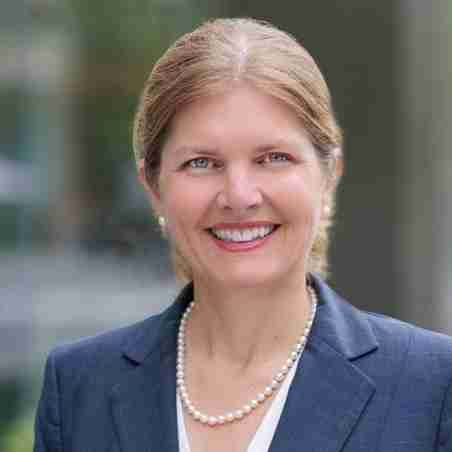 Cammie Chapman, Esq.
Brown & Peisch, PLLC
Cammie Chapman, Esq.
Brown & Peisch, PLLC
Prior to joining Brown & Peisch, PLLC, Cammie was the Deputy Secretary for Children and Adult Services with the West Virginia Department of Human Services. In this role, she led several major initiatives and legal efforts, including managing the defense of a foster care class action lawsuit; reforming children’s mental and behavioral health services in West Virginia; and establishing an office within the Office of Cabinet Secretary focused on continuous quality improvement of the children’s mental and behavioral health programs. |
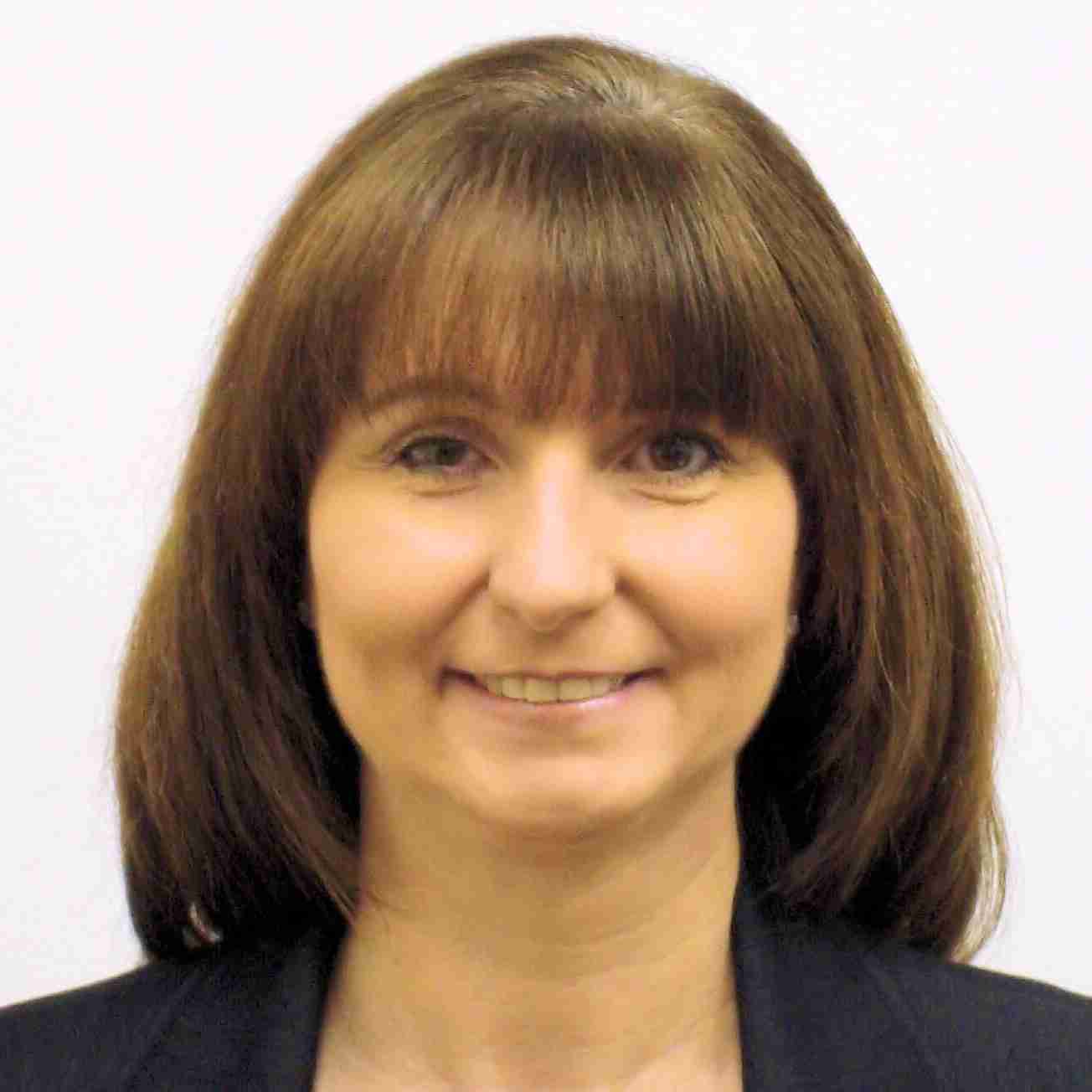 Robin Renquest, MSW, LGSW
Pressley Ridge
Robin Renquest, MSW, LGSW
Pressley Ridge
In her role as Senior Director, Robin maintains responsibility for the fiscal, operational and clinical integrity of programs, advancement of the organization’s mission and strategic positioning within West Virginia. She oversees a full continuum of services—including community-based programs, therapeutic foster care, and residential treatment—serving youth across West Virginia. With over 35 years of service, she has ensured that programming remains innovative and responsive to the evolving needs of West Virginia youth, as well as the challenges faced by systems such as the WV Department of Human Services. Her work has maintained a strong focus on continuous quality improvement in addressing children’s mental and behavioral health needs. Under her leadership, the agency has created, piloted, and implemented a range of programs, including high-acuity residential treatment and treatment foster care.
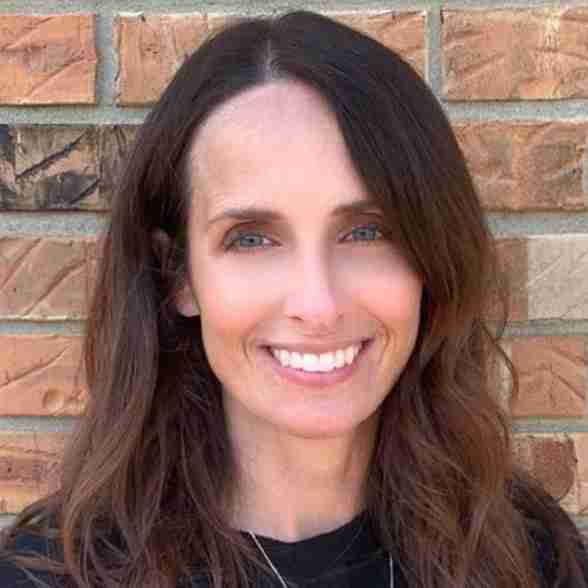 Lorie L. Bragg, MSW, LSW
West Virginia Department of Human Services, Bureau for Social Services
Lorie L. Bragg, MSW, LSW
West Virginia Department of Human Services, Bureau for Social Services
As Commissioner of West Virginia's Bureau of Social Services, Lorie sets the strategic direction for West Virginia's child welfare, adult services, and family support systems. Lorie is an accomplished social work leader with over 20 years of progressive experience in child welfare, social services, and program management. Her experience includes statewide system reform, strategic leadership, and policy development. Lori is adept at program implementation, staff development, and cross-sector collaboration to improve outcomes for children, families, and vulnerable adults. She is known for visionary leadership, authentic communication, and data-driven decision-making. |
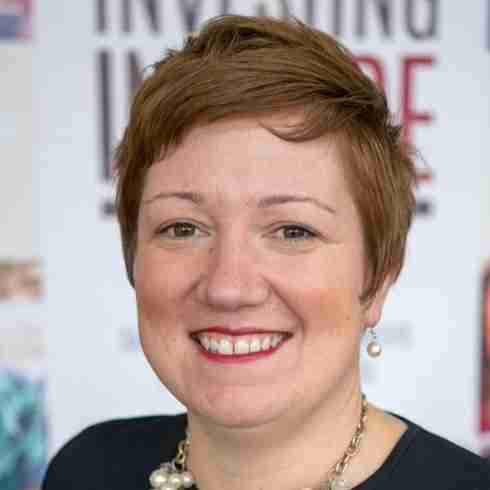 Toni Rozanski
Casey Family Programs
Toni Rozanski
Casey Family Programs
Toni Rozanski is the Senior Director of Systems Improvement at Casey Family Programs, where she partners with jurisdictions nationwide to advance innovative, cross-system approaches in child welfare and human services. She currently supports system reform efforts in Wisconsin, West Virginia, and parts of California, with a focus on building integrated care continuums and transformative practices that strengthen outcomes for children, youth, and families.
With over 25 years of leadership experience, Toni has held pivotal roles across public child welfare systems, including serving as Assistant to the Chief of Staff at the Illinois Department of Children and Family Services, Director of Denver County Child Welfare, and Deputy Director of Human Services in Eagle County, Colorado. Her work has centered on using data and stories to design and implement prevention-driven, fiscally responsible strategies that improve safety, permanency, and well-being. Notably, she led initiatives that reduced child welfare spending by nearly $20 million over five years in Colorado and lowered Illinois Medicaid costs by $20 million through innovative cross-system collaboration. She was also part of the team supporting all states in implementing the Family First Prevention Services Act and has recently taken an active interest in applying technology, including artificial intelligence, to strengthen child protection practices.
Since joining Casey Family Programs in 2016, Toni has established herself as a national leader in system transformation, leveraging her expertise in program development, accountability frameworks, and multi-system partnerships. Her career reflects a deep commitment to innovation, collaboration, and advancing solutions that build stronger communities and improve the lives of the most vulnerable children and families.
Affirming Families: Supporting LGBTQ+ Youth Through Love, Understanding, and Lived Experience
Through storytelling, lived experience, and practical tools, we seek to increase understanding, reduce stigma, and promote affirming care for LGBTQ+ youth. When families embrace children with love and affirmation, it fosters resilience, hope, and healthier outcomes. If you leave with even one new insight, tool, or shift in mindset, it could change a life, strengthen your family, or transform your agency. Our hope is that you leave inspired, informed, connected, and ready to build a more affirming world.
 Denise Delio, C-FPA
SCO Family of Services
Denise Delio, C-FPA
SCO Family of Services
Denise Delio is a dedicated and credentialed Family Peer Advocate with over 20 years of experience supporting children, youth, and families navigating mental health, substance use, and systemic challenges. Her journey into advocacy began with her own lived experience as a single mother raising four children, each with their own unique set of needs and challenges.
Denise’s passion for helping others was sparked early on as she worked through the complex behavioral health systems to support her own children— one of whom faced lifelong mental health struggles, including obsessive compulsive disorder, bipolar disorder, and the impact of childhood trauma, which eventually led to substance use. Her other children also faced a range
of challenges: from anxiety rooted in social pressures and identity, to depression stemming from bullying after coming out as gay, to the silent burdens carried by overachieving youth working through the COVID-19 pandemic.
Motivated by her own experiences and the lack of support she once faced, Denise committed her career to walking alongside other families—offering empathy, advocacy, and the tools they need to thrive. She began as a volunteer in local school districts and eventually transitioned into a professional role as a Family Peer Advocate. Over time, she earned her New York State Credential and built a broad range of experience across both
community-based and residential treatment settings. Denise has worked in multiple capacities, including in-home family support
services aimed at preventing hospitalizations and residential placements. She also served at the New York State Office of Mental Health, where she gained valuable insight into statewide systems of care. However, missing the direct connection to families, she returned to SCO Family of Services, where she currently works in several programs including their Residential Treatment Facility, Children and Family Treatment and Support Services (CFTSS), Community Residence, and Group Residence programs.
Her work is grounded in the belief that every family deserves compassionate, nonjudgmental support. Denise brings authenticity, resilience, and an unwavering commitment to empowering families and youth to achieve better outcomes and become strong advocates for themselves. |
 Joanna Dye, C-FPA
Nexus-Gerard Family Healing
Joanna Dye, C-FPA
Nexus-Gerard Family Healing
Joanna Ravlin Dye is a dedicated single mother of three, including a child with significant mental health challenges and a transgender child. Shaped by personal experiences navigating a system that often fails famiilies, Joanna has become a fierce advocate for families in crisis. Her own journey—marked by trauma, resilience, and a deep sense of justice—fuels her passion for creating safe, nonjudgmental spaces where caregivers can find empathy, hope, and support.
With over three years of experience as a Parent Partner at Nexus-Gerard in Austin, Minnesota, and a history with the organization dating back to 1999, Joanna brings both professional insight and lived experience to her work. She also previously served as a volunteer victim’s advocate for the Freeborn County Crime Victim’s Crisis Center. Joanna is committed to walking alongside parents and families who are navigating the challenges of raising children with mental health needs, offering them the compassion and advocacy she once struggled to find herself.
 Darrin Kovar
Nexus-Gerard Family Healing
Darrin Kovar
Nexus-Gerard Family Healing
Darrin Kovar is the Parent Partner Supervisor with Nexus Family Healing. He has been a Parent Partner with Nexus since 2023. He is a father of four and a passionate advocate and ally for families and LGBTQIA+ youth in Minnesota.
 Carolyne Hatfield, C-FPA
St. Augustine Youth Services
Carolyne Hatfield, C-FPA
St. Augustine Youth Services
Carolyne Hatfield is the mother of two young adults and draws from her personal journey to support other parents in affirming their children’s LGBTQ+ identities. She is the Family Peer Support Specialist for a community-based treatment program that intensive behavioral health services to adolescents and young adults. Carolyne lives with her husband and children in St. Augustine, Florida.
Safety Without Harm: Trauma-Informed System Transformation Through Individualized Impact and Quality Innovation
This presentation highlights how Grafton Integrated Health Network (U.S.) and Ranch Ehrlo Society (Canada) eliminated restraints and seclusion through trauma-informed, person-centered care. By prioritizing safety, dignity, and staff wellness, both organizations achieved dramatic reductions in restraints and injuries while improving retention and outcomes. Participants will learn actionable strategies—reflective supervision, data-informed support, and relational leadership—to build compassionate, accountable systems that enhance quality, reduce harm, and transform care environments into spaces of healing and empowerment.
 Kim Sanders, MS
Grafton
Kim Sanders, MS
Grafton
Kim Sanders has been working at Grafton for over 36 years, starting as a Direct Support Professional, moving into a regional Executive Director position, and currently as a Chief Operating Officer. She spearheaded the effort at Grafton to reduce restraint and seclusion, a process that has received national and international recognition and awards.
 Vance Heaney, MSW
Ranch Ehrlo Society
Vance Heaney, MSW
Ranch Ehrlo Society
Vance Heaney is the Senior Director of Clinical Strategy and Innovation at Ranch Ehrlo Society with over 25 years in clinical leadership, education, and accreditation. A certified trainer in CARE, TCI, Ukeru, CANS, and CAFAS, he has led over 25 accreditation reviews across North America. He presents nationally and internationally on trauma-informed care, outcome measurement, and system reform. As a sessional lecturer since 2000, he teaches mental health, addictions, and child welfare. Vance holds a Master of Social Work from the University of Cincinnati. |
Rebuilding the Village: Family Reunification from Therapeutic Residential Care
The removal of a child from their family is a profound rupture that fractures attachment and identity. At Strive Community Care, we challenge individualistic paradigms by promoting a neurobiologically and culturally informed reunification model through our CREATE Model of Care—Connection, Regulation, Exploration, Acquisition, Tolerance, and Effect. Our diverse workforce fosters belonging while we extend therapeutic support to birth families, building capacity and self-determination. With the right collaboration, the journey home becomes a powerful act of healing.
 Ryan Dempsey, MSW, LLB, BBUS
Strive Community Care
Ryan Dempsey, MSW, LLB, BBUS
Strive Community Care
Ryan is the Co-Founder and Managing Director of Strive Community Care and Chair of the Board of the Community Restorative Centre. Ryan is a passionate and dedicated Social Worker (accredited with the AASW) with extensive executive experience in the family preservation, Out of Home Care, disability, and criminal justice sectors. He also holds a Bachelor of Laws from Macquarie University and Bachelor of Business from Australian Catholic University.
 Dragica Cecez
Strive Community Care
Dragica Cecez
Strive Community Care
Dragica Cecez was born and raised in Brisbane, Australia by her Serbian migrant parents. Her upbringing immersed her in a culture that taught her the profound importance of belonging, a value that continues to anchor her. It fuels her belief that connection is at the heart of every human story and vital to healing, growth and development.
For over twenty years, Dragica has dedicated her career to the human services sector. Her experience spans statutory government roles, not-for-profits, and for-purpose organisations, predominantly in the Out of Home Care space and, for the last 12 years, specifically in Residential Care. She has led teams and developed programs designed to make a tangible difference in the lives of others, often some of the most vulnerable members of society. Throughout her career, she has guided organisations through periods of significant growth and change, consistently upholding the highest standards of quality care.
Dragica brings a sense of calmness to complex and at times chaotic situations. She has a unique ability to acknowledge the overwhelm her teams may feel while helping them see 'the light at the end of the tunnel', uniting them to work collaboratively toward shared and purposeful goals. Her leadership is defined by successfully balancing heartfelt, meaningful compassion and connection with clear and reasonable accountability.
Fundamentally, Dragica is driven by a simple, powerful belief: care should always be genuine, services must be built on meaningful relationships, and true leadership allows space for both courage and kindness. Her work is a continuous reflection of this philosophy, shaped by the enduring values her parents instilled in her and carried across oceans to a new country and new beginnings.
 Ebbonie Horvatic
Strive Community Care
Ebbonie Horvatic
Strive Community Care
I am an experienced leader in the out-of-home care sector with over seven years of industry experience and a strong background in mental health support. My career has focused on supporting children and young people with complex needs, combining practical experience with several qualifications in community services to deliver person-centred, trauma-informed care.
Currently completing my Bachelor of Social Work, I continue to build on my commitment to evidence-based practice and positive outcomes for young people. I am passionate about creating meaningful opportunities for growth, resilience, and empowerment. As a leader, I am dedicated to developing dynamic professional teams built on collaboration, compassion, and accountability—fostering environments where both young people and staff feel safe, valued, and supported to thrive
Stories That Heal: Enhancing Family Outcomes through Narrative Co-Creation
Families grow through the stories they tell—narratives shaping identity, resilience, and connection. When dominated by trauma or disconnection, these stories can limit growth. This workshop explores co-creating new, culturally grounded family narratives through expressive arts and sensory interventions. Drawing on narrative, attachment, and family systems theory, participants will learn practical tools to guide families in reconstructing adaptive, strength-based stories that honor heritage, foster belonging, and promote healing, cohesion, and resilience across diverse cultural contexts.
 Jennie Null, LMFT, RPT-S
Jennifer Null PLLC
Jennie Null, LMFT, RPT-S
Jennifer Null PLLC
Jennie Null, LMFT, RPT-S, is a Marriage and Family Therapist and Registered Play Therapy Supervisor with nearly 20 years of experience supporting youth and families. She maintains a private practice and also works as a trainer, consultant, and adjunct professor. Jennie specializes in trauma-informed care, play therapy, EMDR, Sandtray, and ADHD, and is passionate about fostering resilience, strengthening family systems, and empowering professionals through education and supervision. |
 Barry McGrady
Allambi Care
Barry McGrady
Allambi Care
Barry McGrady is a proud Gomeroi man and Cultural Therapeutic Specialist at Allambi Care. He brings experience as an Aboriginal Community Liaison Officer and now trains staff across NSW and Victoria in cultural knowledge, family-finding, and community reconnection. Based in Newcastle, Barry is dedicated to strengthening identity, resilience, and belonging for Aboriginal and Torres Strait Islander children and families. |
Tips for Program Sustainability: Lessons Learned from Implementing the Teaching-Family Model at Boys Town for 50 Years
Celebrating 50 years of the Teaching-Family Model (TFM) at Boys Town, this session highlights lessons from implementing this evidence-based approach since 1975. Participants will explore how TFM’s core systems—training, consultation, evaluation, and administration—support effective, humane, and replicable care. The presentation shares research on neurodevelopment, community impact, and international adaptations, offering strategies for sustainability, quality improvement, and applying implementation science to enhance youth, family, and organizational outcomes across diverse settings.
 Patrick Tyler, PhD, LIMHP, LPC
Boys Town National Research Hospital
Patrick Tyler, PhD, LIMHP, LPC
Boys Town National Research Hospital
Dr. Patrick Tyler has over 30 years of clinical, administrative, and research experience in residential and community-based treatment services for children and families. He is the Senior Director of the Child and Family Translational Research Center at Boys Town, Nebraska, U.S.A. He directs the center with a practice to research and back to practice approach to improve the design, implementation, and dissemination of effective treatment interventions for children and families. He earned his doctorate from the University of Nebraska at Lincoln is an Independently Licensed Mental Health Practitioner.
 Jonathan Huefner, PhD
Boys Town National Research Hospital
Jonathan Huefner, PhD
Boys Town National Research Hospital
Dr. Jon Huefner has a Ph.D. in Organizational Social Psychology with more than 40 years’ experience conducting research in a wide range of contexts. Strengths include psychometrics, research methodology, statistical analysis, and reporting and presentations. His current research has focused on quality standards for children and adolescent residential care, negative peer contagion in residential care settings, residential care advocacy, psychotropic medication use with at-risk children, family involvement and youth outcomes, and return on investment related to residential outcomes. Experience includes 24 years at Boys Town, five years in the managed behavioral healthcare industry, and ten years university lecturing.
Playing for Change: A Board Game Approach to Staff Engagement and Outcome Alignment
This presentation highlights the development and use of an interactive, board game-based tool to foster staff investment in client-centered outcomes and process change. We will share organizational outcomes, the creation of the Core Connections board game, its use in promoting staff understanding and buy-in, and future directions. By simulating real-world decision-making, the game builds empathy, systems thinking, and collaboration. Results suggest gamification enhances engagement, reinforces best practices, and creates a shared language for organizational values.
 April Wall-Parker, MS
Pressley Ridge
April Wall-Parker, MS
Pressley Ridge
April Wall-Parker, M.S., is a Research Coordinator in the Organizational Performance Department at Pressley Ridge and also serves as the current Chair of the ACRC Research Committee. As a Research Coordinator with Pressley Ridge, she supports the research, program evaluation, and quality improvement efforts within the organization which includes analyzing data, creating annual outcomes reports, selecting evidence-based models, presenting at conferences, and publishing research articles.
Michael Valenti, PhD
Pressley Ridge
Michael W. Valenti has a doctorate in Applied Developmental Psychology from the University of Pittsburgh. He is currently employed as the Director of the Organizational Performance Department at Pressley Ridge. His tasks include program evaluation, monitoring quality improvement activities and metrics, and coordinating research activities. His recent research activities include exploring relational health and exploring social networks in community-based behavioral health organizations.
Amanda Smith-Chonko, MBA
Pressley Ridge
Amanda Smith-Chonko, MBA, is an Evaluation Coordinator in the Organizational Performance Department at Pressley Ridge. She specializes in program evaluation, data analysis, and continuous quality improvement, contributing to the organization’s overall effectiveness. In her role, she develops evaluation plans, supports grant proposals, and researches new technologies to strengthen evaluation practices. Amanda also prepares evidence-based reports and presentations that inform decision-making at both the programmatic and organizational levels.
March 26, 2025 01:30 pm
March 18, 2026 03:30 pm
Workshop Session D
1 Workshop from Session D will be recorded and live streamed.
Are We Flying Blind? Considering Tools We Use to Measure Outcomes and Optimizing How Data Informs Our Work
This session examines how research on psychotherapy and psychiatric medications informs (or fails to inform) effective residential care. Presenters will discuss challenges in data collection, analysis, and feedback loops, highlighting tools like CANS and Y-OQ 2. Emphasizing youth voice through the Adolescent Subjective Experience of Treatment study, the session explores integrating evidence, multidisciplinary practice, and real-world outcomes to strengthen decision-making and improve treatment for youth and families in residential settings.
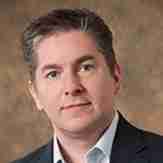 Robert Foltz, Psy.D.
The Chicago School
Robert Foltz, Psy.D.
The Chicago School
Dr. Robert Foltz has over 35 years in the field, largely focused on the treatment of adolescents and young adults struggling with severe conditions. He has spent decades reviewing evidence-based intervention strategies and has been teaching about these efforts at the graduate level since 2009. He has worked as a clinician and administrator in residential treatment settings for over 15 years and has maintained a private practice for over 20 years. He is also the author of the book, No Method to the Madness: Making sense of the psychiatric treatment of our youth (2025).
From Aging Out to Signing In: Practical Tools and the Role of Peer Navigators in Supporting Young Adult Stability and Success
Each year, thousands of young people age out of child welfare systems without the support or skills to thrive. This session presents an equity-centered model that shifts the focus from “aging out” to “signing in,” extending voluntary care beyond age 18. Drawing from Massachusetts’ DCF programs, we’ll explore best practices in life skills development, permanency, and culturally responsive services, highlighting how continued connection and support foster stability, independence, and stronger outcomes for transitional-age youth.
Each year, thousands of young people age out of child welfare systems without the support or skills to thrive. This session presents an equity-centered model that shifts the focus from “aging out” to “signing in,” extending voluntary care beyond age 18. Drawing from Massachusetts’ DCF programs, we’ll explore best practices in life skills development, permanency, and culturally responsive services, highlighting how continued connection and support foster stability, independence, and stronger outcomes for transitional-age youth.
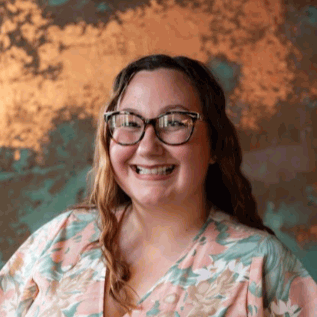 Jada Cuttriss
Firefly Children and Family Alliance
Jada Cuttriss
Firefly Children and Family Alliance
Jada Cuttriss has turned her personal trauma into triumph and is a seasoned advocate for foster youth. She previously served as a family case manager with the Indiana Department of Child Services, is a Young Adult Consultant, and a Peer Navigator with Firefly Children and Family Alliance. As a consultant with a commitment to amplifying the voices of youth in foster care; Jada aims to bring attention to their struggles and use her personal and professional experience to build a system that promotes the continuous quality improvement and well-being of children and families.
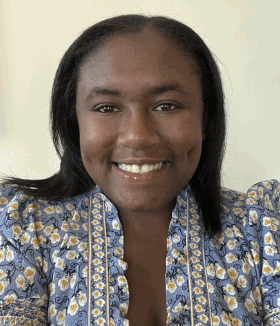 Shantelle Castle, LICSW
North American Family Institute (NFI) of Massachusetts
Shantelle Castle, LICSW
North American Family Institute (NFI) of Massachusetts
Shantelle is a Licensed Independent Clinical Social Worker (LICSW) and a Licensed School Social Worker and Adjustment Counselor (SAC) in Massachusetts. She is currently in her final year as a Doctoral student in Social Work Clinical Leadership at the University of Kentucky. Shantelle holds a Master’s degree in Social Work from Boston University and a Bachelor of Science in Criminal Justice and Psychology from the University of Massachusetts Lowell.
With nearly a decade of experience, Shantelle has worked in both residential and educational settings, including latency-level residential school programs, group homes for adolescents and transitional-age young adults, and public-school systems. She currently oversees clinical services for six residential programs serving adolescents and young adults, as well as four Department of Developmental Services (DDS)-funded programs for adults.
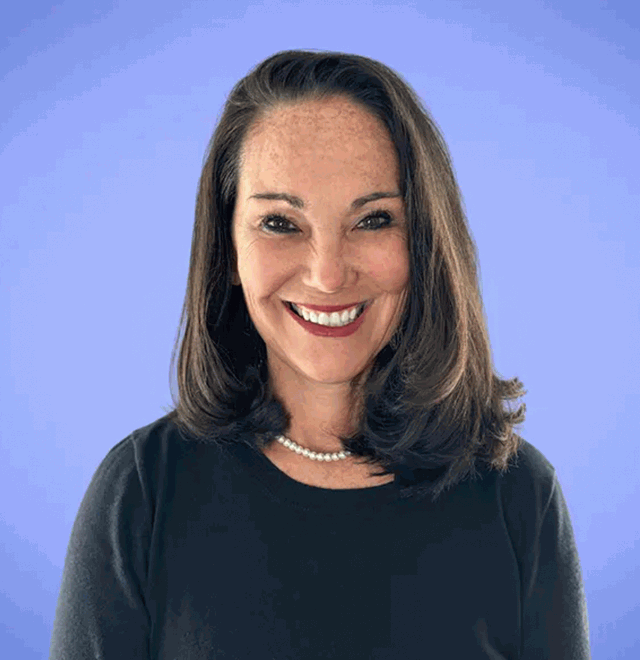 Cindy Powers, BS
North American Family Institute (NFI) of Massachusetts
Cindy Powers, BS
North American Family Institute (NFI) of Massachusetts
Back to Basics: Fundamental Principles for Youth Justice, Grounded in Evidence and Research
This session introduces a new brief series from the Coalition for Juvenile Justice, guiding practitioners in implementing the Juvenile Justice and Delinquency Prevention Act (JJDPA) through research-informed practices. Presenters will discuss the foundational paper emphasizing youth’s developmental differences and evidence-based care. The session also previews briefs on five key focus areas: Adverse Childhood Experiences, Trauma-Informed Care, Protective Factors, Alternatives to Arrest, and Community-Based Alternatives to Incarceration, highlighting strategies to strengthen youth justice reform
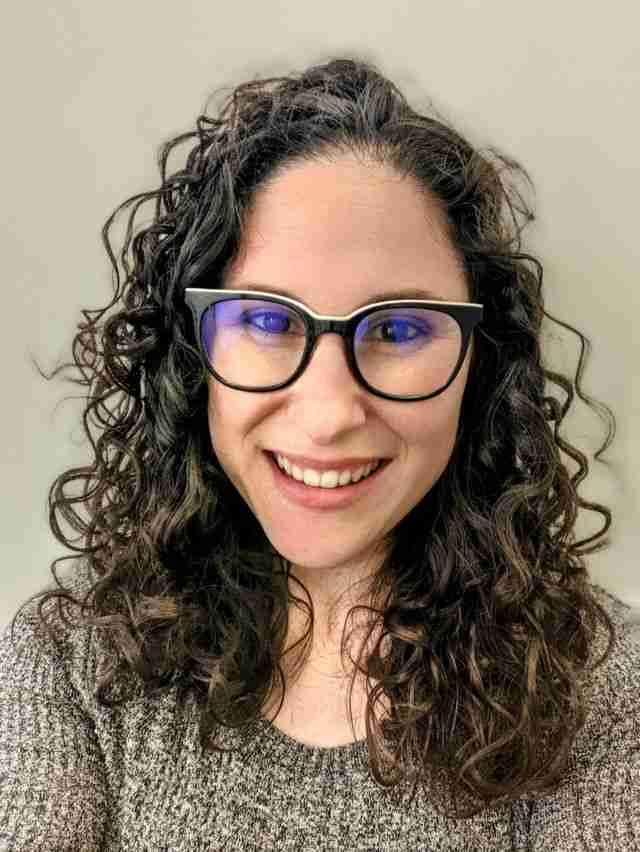 Melissa Milchman, J.D.
Coalition for Juvenile Justice
Melissa Milchman, J.D.
Coalition for Juvenile Justice
Melissa is a steadfast youth advocate and juvenile justice reform professional whose passion and professional journey is dedicated to developing and enhancing systems of care that prevent or reduce the impact of system involvement for youth and families. Melissa’s core areas of subject matter expertise include: training and technical assistance, government administration, grants management, strategic initiatives implementation, evidence-based prevention, authentic youth engagement, and collaboration among youth-serving systems and communities. Melissa earned her Juris Doctorate from the George Washington University Law School and a Bachelor of Science in Public Relations from the University of Florida. |
 Ashley Anderson, BCBA-D
Alabama Department of Youth Services, Department of Psychological Sciences, Auburn University
Ashley Anderson, BCBA-D
Alabama Department of Youth Services, Department of Psychological Sciences, Auburn University
We're All In It Together: A State-Wide Collaboration to Enhance Trauma-Informed Care for Direct Care Staff Across Kentucky
Creating healing spaces for youth begins with supporting the direct care workforce through trauma-informed practices. Following high post-COVID burnout and turnover, Kentucky’s CHFS partnered with CHES Solutions Group and 23 residential providers to launch a statewide workforce wellness initiative integrating Lionheart Foundation’s EQ2 program. EQ2 builds staff self-regulation, resilience, and team cohesion through mindfulness and restorative circles. This session shares Kentucky’s innovative, data-driven, cross-sector model for implementing trauma-informed workforce wellness at scale.
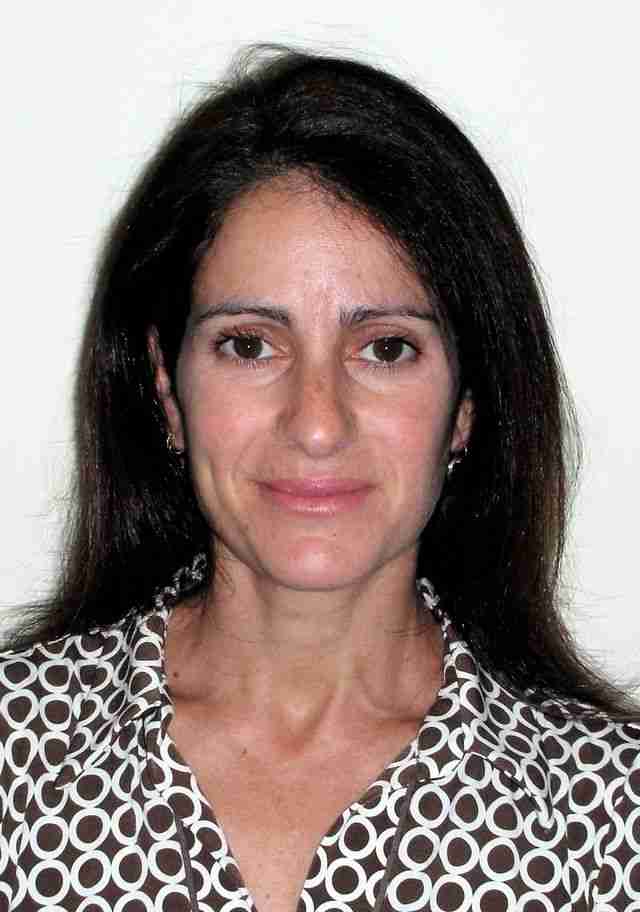 Beth Casarjian, PhD
The Lionheart Foundation
Beth Casarjian, PhD
The Lionheart Foundation
Beth Casarjian, Ph.D. has developed, implemented, and evaluated the impact of asset-based, psychosocial interventions created for adolescent populations including those in residential treatment, youth involved in the juvenile justice system, and system-involved teen mothers. She is co-author of Lionheart’s Power Source: Taking Charge of Your Life (PS); Power Source Parenting: Growing Up Strong and Raising Healthy Kids (PSP); and EQ2: Empowering Direct Care Staff to Build Trauma-Informed Communities for Youth. Dr. Casarjian has served as the Clinical Director of The Heritage School Ambulatory Mental Health Clinic a project of Columbia University and the Robinhood Foundation. Dr. Casarjian's work has been funded by the Substance Abuse and Mental Health Administration (SAMHSA) and the National Institutes of Health (NIH). To date, her investigation of the Power Source Program on the adolescent unit of Rikers Island remains the largest US study examining the impact of mindfulness with incarcerated male youth.
 Kelli Root, MSW
Cabinet for Health and Family Services Department for Community Based Services
Kelli Root, MSW
Cabinet for Health and Family Services Department for Community Based Services
Kelli Root is an Assistant Director for DCBS’ Division of Protection & Permanency, with oversite of the Out-of-Home Care Branch, Adoptions Branch, Transitional Services Branch, and PCP/PCC liaisons. She has worked for DBCS for 21 years and has held positions as both a frontline worker and supervisor, and as a central office specialist and branch manager. Kelli earned a Master of Science in Social Work from the University of Louisville, and a Bachelor of Art in Social Work from the University of Kentucky. |
 Rashmi Brown, MS
CHES Solutions Group
Rashmi Brown, MS
CHES Solutions Group
Rashmi Adi Brown, MS is the co-producer of the nationally recognized training series entitled, “Promise Not to Tell? A Teacher’s Guide to Recognizing and Responding to Child Sexual Abuse”. Rashmi is currently the Chief Operating Officer for CHES Solutions Group, a private non-profit providing consulting, training and evaluation services for child and welfare, human and health service agencies. Ms. Adi-Brown is a Clinical Consultant for the Kentucky Department for Community Based Services. The agency has also provided programming in the states of Indiana and Florida. Ms. Adi-Brown has a Bachelor of Arts in Psychology from Rollins College in Winter Park, Florida and a Master of Science in Counseling Psychology from the University of Kentucky in Lexington, Kentucky.
Breaking the Silence: Building Competence and Compassion in Suicide Risk Screening
Working with suicidal youth involves high-stakes decisions. Without proper training, providers may respond too cautiously, disempowering youth and compromising care. This workshop, featuring voices of youth with lived experience, offers guidance on effective suicide screening and creating individualized safety plans through a multidisciplinary lens.
 Gina Bykowski, LICSW
The Home for Little Wanderers
Gina Bykowski, LICSW
The Home for Little Wanderers
Gina is a Program Director at The Home for Little Wanderers where she oversees the delivery of intensive mental health services in residential and community-based settings. She is certified in the Integrative Treatment of Complex Trauma for Adolescents and has been a part of facilitating a multidisciplinary adaptation of this model to young people referred by the MetroBoston Department of Mental Health. Gina is an Independently Licensed Clinical Social Worker, who holds a bachelor’s degree of Psychology from Northeastern University, a master’s degree from Simmons University, and a Certificate in Urban Leadership from Simmons University. |
Elizabeth Woodruff, LICSW
The Home for Little Wanderers
In her work in child welfare in Boston, MA, Elizabeth Woodruff has poured her energy into practices that embrace transformative responses to harm, keep families together, and reduce out-of-home mental health treatment. Over the last 13 years, Elizabeth has kept Circles with youth, caregivers, employees, and her own family. Elizabeth is a tireless advocate for aligning mental health service delivery with the values of Circle practice, Power Literacy, and Restorative Justice.
Supporting the Wellbeing of Transgender and Nonbinary Youth in Out of Home Care While Navigating a Complicated Landscape
Transgender and nonbinary youth in congregate care face unique challenges to safety and well-being. This session explores how intentional, affirming, trauma-informed care defines true quality. Through research, lived experience, and open dialogue, presenters share strategies to build inclusive cultures, train staff, and foster belonging. Participants will gain tools to transform practice, ensuring every interaction affirms dignity, equity, and authenticity for all youth in care.
 Vida Khavar, LMFT
Family Builders
Vida Khavar, LMFT
Family Builders
Vida Khavar is a licensed Marriage and Family Therapist with over 30 years of experience in child welfare. She centers permanency across all areas of practice and has helped agencies develop and strengthen programs for children and families. A former consultant for the federal RISE initiative supporting LGBTQ youth in foster care, Vida now serves as Clinical Director at Family Builders. She partners with the California Department of Social Services to implement affirming policies for LGBTQ+ youth and provides clinical training and coaching nationwide on the Youth Acceptance Project. Vida is multicultural and multilingual. |
 Elliott Orrin Hinkle
Unicorn Solutions LLC
Elliott Orrin Hinkle
Unicorn Solutions LLC
Elliott is a national advocate and consultant for youth and families and expert with 13 plus years of experience as a coach and educator with a focus on improving services, lives, and futures for youth currently or formerly in foster care who identify within the LGBTQ community as well as other vulnerable populations. They have used their lived expertise in combination with their professional experience to inform research, policy, and practice that impacts child welfare, mental health services, and the LGBTQ community at the local, state and federal level. Elliott is a dynamic team leader with strong coaching, communication, and connection skills. They have a passion for promoting and revitalizing energy that impacts the way we do and think about youth and young adults and systems change work.
Healing Adults to Heal Children: Building a Trauma-Informed Culture of Care in Ethiopia
Transforming child welfare in Ethiopia begins with healing the adults who care for children. At AGCI’s House of Hope, staff cultivate a trauma-informed culture, addressing their own histories to better support families. This “healed adults heal children” approach has led to 99% family stability and a 65% reduction in trauma symptoms, inspiring cross-sector collaboration and systemic reform that redefines child welfare as relational, trauma-wise, and transformational.
 Dereje Zeleke, PhD, MA, BA
All God's Children International - Ethiopia
Dereje Zeleke, PhD, MA, BA
All God's Children International - Ethiopia
Dereje Zeleke serves as the Ethiopia Country Director for All God’s Children International. He brings extensive leadership across the INGO sector, with expertise in combating child trafficking, advancing safeguarding, and managing trauma-informed transition centers. Dereje has a strong record of building partnerships with government, civil society, and international stakeholders to drive systemic change in child welfare, while leading with a relational style grounded in best practice and cultural competence. Currently a PhD candidate, Dereje holds a Master of Social Work, a Master of Arts in Leadership, a BA in Management, and is a TBRI® Practitioner and Mentor.
 Angelyn Salyer, BS
All God's Children International
Angelyn Salyer, BS
All God's Children International
Angelyn Salyer brings 8+ years of international development experience leading growing global orphan care and child welfare initiatives. She currently serves as the Africa Programs Director at AGCI, leading the planning and implementation of holistic intervention programs and operations in collaboration with local staff and partners. As a TBRI Practitioner, Angelyn comes from a background in Global Health, and is passionate about creating programs that alleviate poverty, address critical challenges, and strengthen relationships within families.
Family Advisory Councils: Start-Up to Sustainability, Lessons From the Field
This presentation explores how to meaningfully include family voice by building and sustaining a Family Advisory Council. Using lessons from JRI’s council, participants will learn about successes, challenges, and practical steps for creating authentic partnerships. Through real-time tips and examples from our active council, materials that outline roles and responsibilities, and family video testimonials, attendees will gain tools to start or strengthen councils, conduct a SWOT analysis, and integrate lived experience across organizational levels to enhance service quality and family engagement.ne but this presentation will leave everyone with some thought-provoking action steps.
 Rachel Arruda, MPA
Justice Resource Institute
Rachel Arruda, MPA
Justice Resource Institute
I am first and foremost a working professional with lived experience spanning form a traumatic childhood through raising two children with behavioral health challenges. I am passionate about the voice of lived experience and honored that I am able to lead the initiative of family engagement at JRI. I not only use my own experience to guide the discussion I use my professional training to strategically try to make shifts in my organization. |
From Triggers to Transformation: Custom Plans with Youth Voice
Tanager’s Individual RISE Plan (IRP) is a personalized, youth-led clinical framework that blends evidence-based assessments with collaborative planning to create adaptable, individualized care guides. Each plan incorporates attachment styles, conflict patterns, triggers, and engagement strategies, plus practical tools like “porch” and “wind-down” plans for regulation. This workshop explores how to gather and apply assessment data, co-create with youth, and strengthen resilience—demonstrating how IRPs reduce conflict, increase engagement, and improve treatment outcomes.
 Avery Schweitzer, LMHC-T
Tanager Place
Avery Schweitzer, LMHC-T
Tanager Place
I have been with Tanager as an agency for a bit over three years and has served as both a direct floor staff, a counselor, and is now a therapist. As an inpatient therapist, I regularly meet with all clients to provide individual and group therapy services to them. I also create an Individual RISE Plan for all of my clients upon their arrival to Tanager in our first session. I am also a part of ACRC's programming committee. |
 Lauren Goodlove, LISW
Tanager Place
Lauren Goodlove, LISW
Tanager Place
Over the past almost seven years, I have held a variety of roles within Tanager, including working as a floor staff, BHIS caseworker, therapist, and now as the inpatient clinical manager. These experiences have given me a deep understanding of our variety of programs and a strong connection to the youth and families we serve. I am passionate about our Tanager's mission and the transformative work we do, and I look forward to sharing that work with others.
March 19, 2026 09:00 am
Designing Systems for Healing: Financing and Managing Beyond the Crisis Response
Moving from siloed, problem-specific funding that focuses on managing symptoms to coordinated funding that supports whole-person, life course, and two-generation approaches is not only possible—it’s essential. The Adverse Childhood Experience (ACE) Study helps us understand how early adversity can set in motion a cascade of challenges that extend into adulthood and across generations. ACE prevalence at the population level reliably predicts demand for high-cost public services. The good news is that what’s predictable is preventable. Now is the time to build learning communities that make visible the pathways of risk—and lift up the healing experiences that change those pathways into ones of lifelong and intergenerational wellbeing.
Join us to engage in an interactive dialogue about:
1. New finance and management approaches that can remove barriers to the collaborative, upstream work you already know is essential to lasting change.
2. Ways to design incentives and supports that strengthen community participation and self-healing capacity.
3. Opportunities to align multi-sector investments so that today’s young people—and the next generation of parents— are supported as transformative leaders who help turn cycles of adversity into cycles of healing and intergenerational wellbeing.
Rob Anda, MD, MS
ACE Interface; Co-principal Investigator and Co-founder, ACE Study
Dr. Robert (Rob) Anda graduated from Rush Medical College in 1979 and received his board certification in internal medicine in 1982. He holds a Masters degree in epidemiology from the University of Wisconsin. In 1984 he was accepted into the Epidemic Intelligence Service at the Centers for Disease Control and Prevention in Atlanta, where he conducted research in disease surveillance, behavioral health, mental health and disease, cardiovascular disease, psychosocial origins of health-risk behaviors, and childhood determinants of health. Rob is the author of more than 200 publications, and has received numerous awards and recognition for scientific achievements.
In the early 1990’s, Rob began a collaboration with Dr. Vincent Felitti at Kaiser Permanente in San Diego to investigate child abuse as an underlying cause of medical, social, and public health problems. This effort lead to a large-scale study funded by the CDC to track the effects of childhood trauma on health throughout the lifespan, called the Adverse Childhood Experiences Study (ACE Study). Rob played a principal role in the design of the study, and serves as its co-principal investigator and co-founder.
The ACE Study is the most important public health discovery of our time. Findings from the ACE Study have resulted in more than 70 publications in major medical and public health journals. The ideas from this work are now influencing the design of similar research around the world. ACE Study findings have been presented at Congressional Briefings and numerous conferences around the world. The ACE Study is being replicated in numerous countries by the World Health Organization (WHO), and is in use to assess the childhood origins of health and social problems in more than 25 U.S. states.
After a decade of service to the CDC as a senior scientific consultant, Rob turned his focus to speaking and consulting with leaders in public health, medicine, corrections, judicial and social service systems and with local, state, national, and international organizations about the ACE Study. He has appeared in national newspapers and television networks and is frequently invited to speak about the ACE Study and his experiences around the country working on applications of ACE Study concepts.
Rob is co-founder of ACE Interface, a company that provides education, analysis, facilitation, and products focused on helping people to develop Self-Healing Communities that prevent ACEs and improve well-being. He and his work are highlighted in the documentary “Resilience” by Jamie Redford that was accepted to the 2015 Sundance Film Festival and is now being shown across the nation.
Rob is passionate about scuba diving and enjoys fishing and golf. He makes his home in Peachtree City, GA.
Laura Porter
ACE Interface
Laura Porter has over 20 years of experience teaching about Adverse Childhood Experiences and the power of local people to build a better life now, and for the future.
In past years, she served as an elected County Commissioner and as Staff Director for a Council of 10 state leaders, including representatives of four Legislative caucuses, the Superintendent of Public Instruction, the Governor and four cabinet members. The Council provided a structure for coordinating system improvements across five state agencies and forty-two communities. Laura’s work with state and community leaders generated improvements in the rates of problems including crime, addiction, abuse, depression, suicide, and dropping out of school.
Laura and Dr. Rob Anda are co-founders of ACE Interface, a company that provides education, analysis, facilitation, and products to help state and community leaders to build Self-Healing Communities. Their current work is focused on developing an alternative multi-sector finance and management model for reducing ACE-related risks. The model design will leverage collective resources, scientific insights, and community wisdom to achieve sustainable improvements in population health and wellbeing while reducing long-term fiscal burdens.Top of FormBottom of Form

 March 16, 2026 09:00 am
.png)
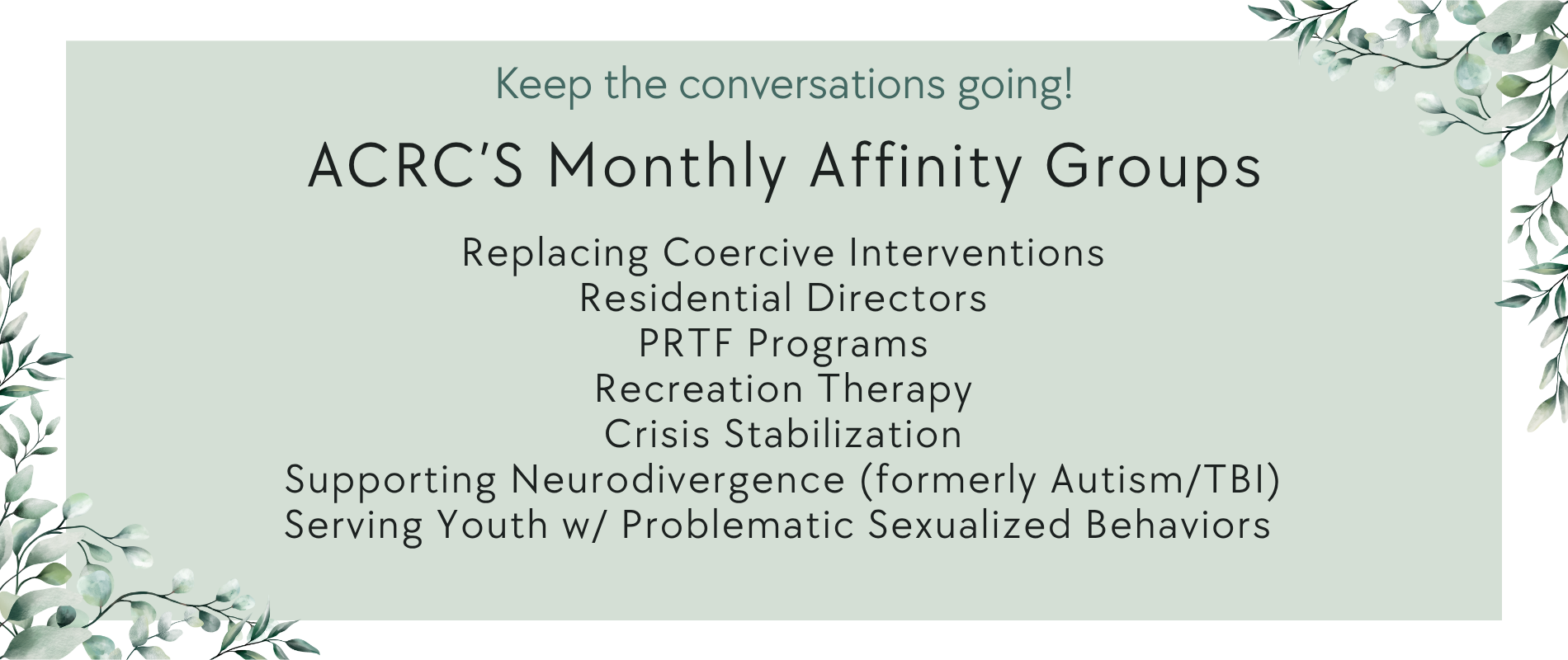
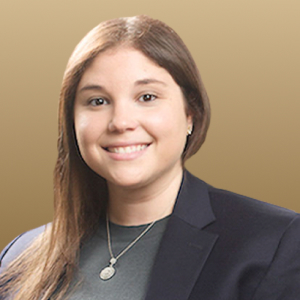
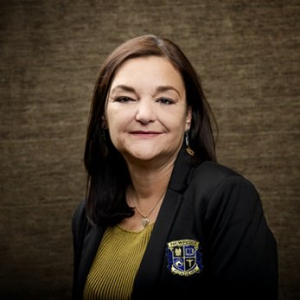
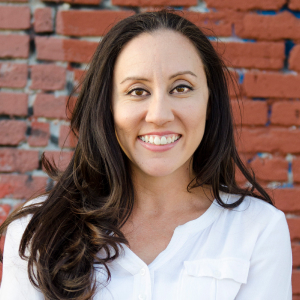
 May 17, 2023 09:00